info@africanwildtrekkers.com

Luxury African Safaris Across East Africa’s Iconic Parks
Experience the finest wildlife journeys through Serengeti, Masai Mara, Queen Elizabeth National Park, and Murchison Falls National Park, crafted with precision and delivered with comfort.
Private African Safari Tours with African Wild Trekkers
Africa is vast and full of possibility, but planning a safari can quickly become overwhelming. With so many destinations, routes, and choices, it is easy to focus on what to see and forget how you want the journey to feel. That’s where we come in. African Wild Trekkers is a tailor-made safari company designing personalised journeys across East Africa. We do not offer off-the-shelf tours. Every itinerary is carefully built around your interests, pace, and travel style, whether you are exploring Serengeti, Masai Mara, Queen Elizabeth National Park, or Murchison Falls. Our strength comes from local knowledge. We understand wildlife patterns, seasons, and the best locations for each experience. We select lodges for both comfort and positioning, and we design routes that maximize your time in the wild while keeping travel smooth and efficient.
With African Wild Trekkers, every detail is handled with precision—from planning to guiding—so your safari flows effortlessly and delivers meaningful experiences. So let’s begin. Let’s create a safari that feels right and stays with you long after Africa.
Popular African Safari Trips.
Popular African Safari Trips.
Safari Experiences
Africa Safari Destinations Across East Africa.
East Africa is not just a safari destination; it is where Africa’s wildlife story feels most alive and continuous. The region moves with rhythm, from the seasonal migration across Serengeti and Masai Mara to the quiet, misty mornings in Bwindi where gorillas feed in silence. What makes this part of Africa special is not only the wildlife density, but how different ecosystems exist within relatively short travel distances.
Uganda, Rwanda, Kenya, and Tanzania each carry a distinct identity. Uganda and Rwanda lean more toward primates and lush landscapes, while Kenya and Tanzania open into wide savannahs filled with big game. When you understand how these countries connect, you begin to see why many experienced travelers prefer combining them into one journey rather than visiting them separately.
From a local guide’s point of view, a good safari is not about rushing between parks. It is about understanding the terrain, the wildlife patterns, and the pace of each destination. That is what shapes a rewarding experience.
Uganda Safari Experience
Understanding Uganda as a Safari Destination
Uganda feels different from the typical savannah safari. The land is greener, the air is cooler in many regions, and the experience often feels more intimate. Wildlife exists in both forests and open plains, which allows you to combine primate trekking with traditional game drives in a single itinerary.
Travel distances can be longer compared to Kenya or Tanzania, but the journey itself becomes part of the experience. You pass through rural landscapes, tea plantations, and local communities, giving you a broader sense of the country beyond the parks.
Bwindi Impenetrable National Park – The Gorilla Encounter
Bwindi is not a place you simply visit; it is a place you work your way into. The forest is dense, the terrain is uneven, and every trek feels slightly different depending on where the gorilla family is located that day.
From a guide’s experience, the anticipation builds as trackers communicate from deep within the forest. When you finally meet the gorillas, the atmosphere changes completely. The silence, the eye contact, and the calm movements of the group create a moment that stays with you long after the trek.
The Rushaga sector often allows access to the gorilla habituation experience, where visitors spend more time observing the gorillas, offering a deeper understanding of their behavior.
Murchison Falls National Park – Where the Nile Shapes the Safari
Murchison Falls is defined by the Nile. The river does not just pass through the park; it controls the movement of wildlife and shapes the entire ecosystem.
Game drives in the northern sector bring consistent sightings of giraffes, elephants, and lions. What many travelers do not expect is how much the boat safari adds to the experience. Moving along the Nile toward the base of the falls brings you close to hippos, crocodiles, and birds in large numbers.
As you approach the falls, the sound grows louder before the water becomes visible. It is one of those moments where the environment itself becomes the highlight.
Queen Elizabeth National Park – A Balanced Safari
Queen Elizabeth National Park offers variety in a way that few parks do. Within one area, you move from open plains to wetlands and then into crater landscapes.
The Kazinga Channel remains one of the most reliable wildlife viewing spots. Hippos gather in large groups, elephants come down to drink, and birdlife is constant along the shoreline.
In Ishasha, the experience shifts. The tree-climbing lions do not always appear, but when they do, they change the entire rhythm of the game drive. It becomes a slower, more focused search, guided by experience and patience.
Kibale Forest – Chimpanzee Tracking
Chimpanzee tracking in Kibale feels more dynamic compared to gorilla trekking. Chimps move quickly, communicate loudly, and often remain active high in the trees.
A guide will rely heavily on sound to locate them. Once found, the experience becomes fast-paced, with constant movement as you follow them through the forest. It requires more attention, but it also gives a different kind of energy compared to the calm presence of gorillas.
Tanzania Safari Experience
Understanding Tanzania’s Wilderness
Tanzania operates on a larger scale. Distances are wider, landscapes feel more open, and wildlife movements follow broader patterns. The parks are less crowded in many areas, especially when you move beyond the main routes.
The experience here feels expansive. You spend more time on game drives covering longer distances, which allows you to witness wildlife behavior in a more natural flow.
Serengeti National Park – Movement Without Boundaries
The Serengeti is not defined by a single location. It is defined by movement. The migration does not stay in one place, and neither should your safari if you want to follow it properly.
From a guide’s perspective, understanding where the herds are at a specific time of year becomes critical. During calving season in the southern plains, predators stay close, creating intense wildlife interactions. When the herds move north, river crossings begin to define the experience.
Even outside the migration, the Serengeti remains active. Resident wildlife ensures that every game drive still feels rewarding.
Ngorongoro Crater – Concentrated Wildlife Viewing
Ngorongoro offers a different pace. Once you descend into the crater, the environment feels contained yet full of life.
Wildlife does not need to travel far, which increases your chances of seeing multiple species within a short time. Rhinos, lions, and large herds often appear within the same drive.
The scenery adds another layer. The steep crater walls create a natural boundary, making the entire experience feel enclosed and focused.
Tarangire National Park – Seasonal Gathering
Tarangire becomes most active during the dry season. Water sources attract animals, leading to large gatherings, especially of elephants.
The landscape, marked by baobab trees, gives the park a distinct identity. It feels quieter than Serengeti, which allows for a more relaxed safari without losing the quality of wildlife encounters.
Kenya Safari Experience
Understanding Kenya’s Safari Style
Kenya delivers what many travelers imagine when they think of an African safari. The parks are accessible, the wildlife is abundant, and the overall experience feels well structured.
The guiding standard remains strong, and the infrastructure allows for smooth travel between destinations.
Masai Mara National Reserve – Consistent Wildlife Action
Masai Mara does not rely only on the migration. Even outside peak season, the reserve maintains strong wildlife activity.
Big cats dominate the landscape, and sightings often happen within a short time during game drives. Guides rely on experience, communication, and knowledge of territories to locate predators.
During migration season, the Mara River crossings create moments of tension and unpredictability. These are not guaranteed, but when they happen, they become the highlight of the safari.
Amboseli National Park – Landscape and Wildlife Balance
Amboseli offers open views and strong elephant sightings. The presence of Mount Kilimanjaro in the background adds depth to the experience.
The park is relatively compact, which increases the chances of repeated sightings and better photography opportunities.
Samburu National Reserve – A Different Environment
Samburu feels more remote and less crowded. The semi-arid landscape introduces species that do not appear in other parks, giving travelers a different perspective.
The experience here relies more on exploration, as wildlife spreads out across a wider area.
Rwanda Safari Experience
Understanding Rwanda’s Approach
Rwanda focuses on quality over quantity. The safari experience here is well organized, with strong attention to conservation and visitor management.
The country is compact, which reduces travel time and allows for efficient itineraries.
Volcanoes National Park – Structured Gorilla Trekking
Volcanoes offers one of the most accessible gorilla trekking experiences. The treks tend to be shorter compared to Bwindi, although the terrain can still be challenging.
From a guide’s perspective, the experience feels more controlled and predictable, which appeals to travelers looking for a smoother trek.
Akagera National Park – Rwanda’s Savannah Experience
Akagera has developed into a reliable Big Five destination. The park combines game drives with boat safaris, creating a balanced experience.
Wildlife sightings have improved significantly due to conservation efforts, making it a strong addition to Rwanda itineraries.
Nyungwe Forest – Forest Exploration
Nyungwe provides a different type of safari. The focus shifts to forest walks, chimpanzee tracking, and canopy experiences.
The environment feels dense and quiet, offering a contrast to the open plains of other destinations.
Planning a Safari Across East Africa
From a local guide’s experience, combining destinations works best when you balance travel time and activity levels. A common and effective route begins in Kigali for gorilla trekking, then crosses into Uganda or connects to Kenya and Tanzania for savannah safaris.
Flights between key hubs like Entebbe, Nairobi, and Arusha help reduce travel fatigue. A well-structured itinerary avoids long backtracking and keeps the journey smooth.
Best Time to Visit
The dry seasons provide the best wildlife visibility. However, each destination has its own rhythm. The migration follows rainfall patterns, while primate trekking remains available throughout the year.
Understanding these seasonal differences helps in planning a safari that aligns with your expectations.
Frequently Asked Questions
Which country offers the most complete safari experience?
Tanzania and Kenya provide the most traditional safari experience with large wildlife populations. Uganda and Rwanda add depth through primate encounters.
Is gorilla trekking worth including in a safari?
Gorilla trekking offers a completely different experience compared to game drives. It adds emotional depth and creates a stronger connection to wildlife.
How physically demanding is a safari?
Game drives require minimal physical effort, while gorilla and chimpanzee trekking can be physically demanding depending on terrain and duration.
Can I combine all four countries in one trip?
Yes, but it requires careful planning. Most itineraries combine two or three countries to maintain a comfortable pace.
When should I plan for the Great Migration?
Migration timing varies, but river crossings in Masai Mara typically occur between July and October.
What type of accommodation should I expect?
Safaris offer midrange and luxury lodges with strong comfort standards, often located close to wildlife areas.
Honey Moon Safaris
Honeymoon Safaris combine romance and adventure, offering couples unforgettable wildlife experiences, luxurious accommodations, private game drives, and breathtaking landscapes. They provide the perfect setting to celebrate love while exploring Africa’s most spectacular safari destinations.
Family Safaris
Family Safaris offer unforgettable wildlife adventures for all ages, combining exciting game drives, family-friendly accommodations, cultural experiences, and flexible itineraries.
They provide the perfect balance of adventure, comfort, education, and quality family time in Africa’s iconic safari destinations.
Travel Blog
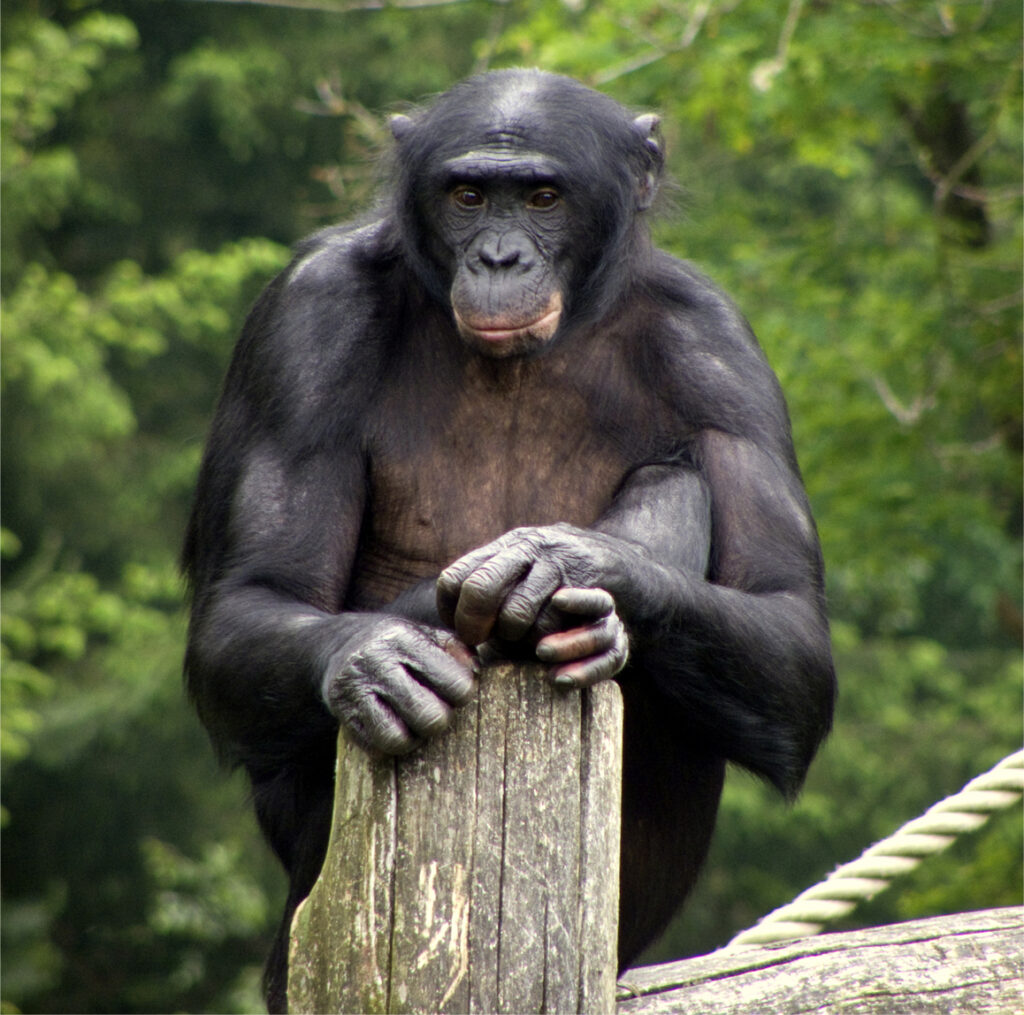
Bonobo Facts DRC
Bonobo Facts DRC
Read More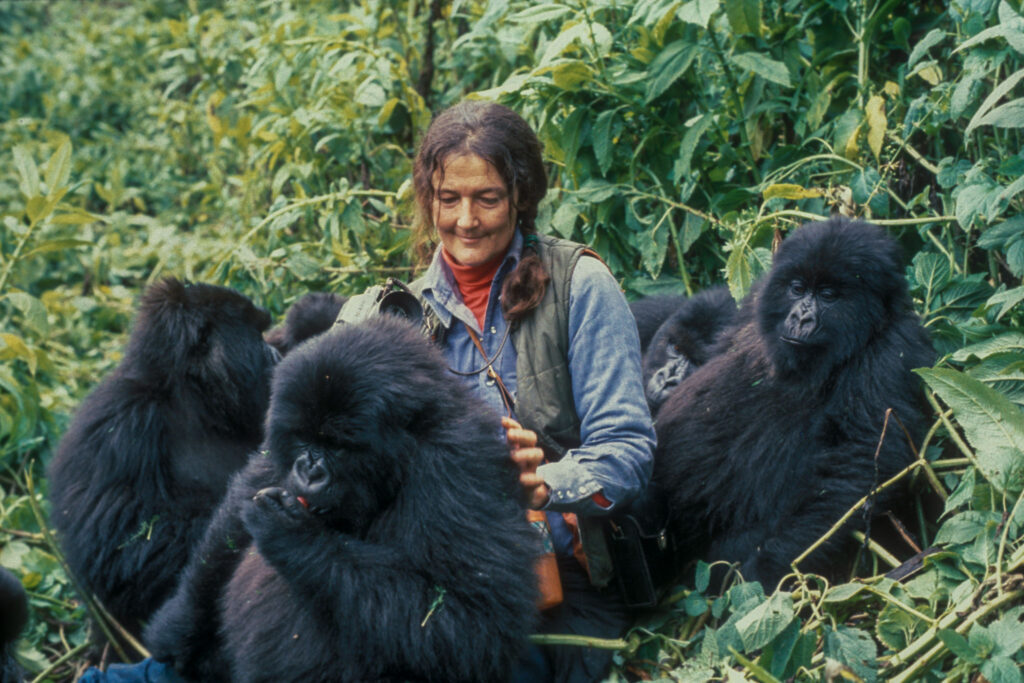
Gorilla Trekking in December
Gorilla Trekking in December
Read More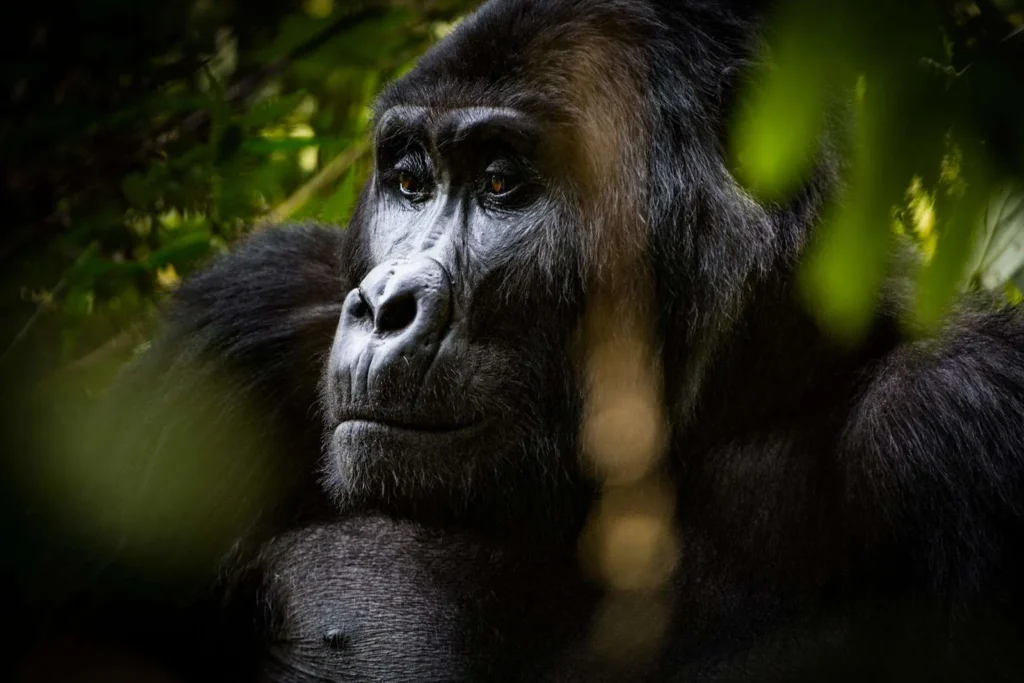
Gorilla Trekking in November