History of Bwindi Impenetrable Forest.
Ancient Origins of Bwindi Forest
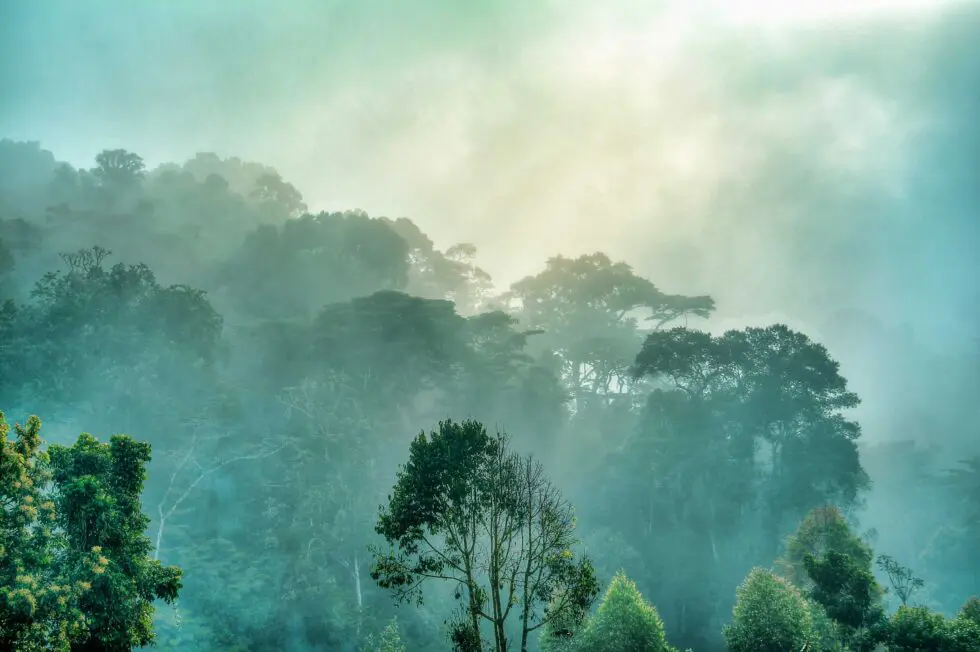
History of Bwindi. The Bwindi Impenetrable National Park is one of the oldest surviving rainforests in Africa, with ecological origins dating back more than 25,000 years. During periods of extreme climatic change in East Africa, especially the last Ice Age, much of the region became dry and fragmented. Bwindi remained a stable forest refuge, allowing plant and animal species to survive while others disappeared elsewhere.
This long ecological continuity explains Bwindi’s extraordinary biodiversity today. The forest developed layered canopies, dense undergrowth, and complex food chains that support hundreds of tree species, rare birds, insects, and mammals. Bwindi’s age is not just a scientific detail; it is the foundation of why the forest feels so dense, so alive, and so untouched compared to younger ecosystems.
Early Human Presence and Indigenous Life
Long before modern borders and conservation laws, Bwindi was home to indigenous forest-dwelling communities, most notably the Batwa. The Batwa lived as hunter-gatherers, relying entirely on the forest for food, medicine, shelter, and cultural identity. Their lifestyle was closely tied to the rhythms of the forest, and their survival depended on deep ecological knowledge passed down through generations.
Bwindi was not simply a place of residence for the Batwa; it was a spiritual landscape. Sacred sites, ancestral burial grounds, and ritual spaces were embedded throughout the forest. Their presence shaped the human history of Bwindi for centuries, long before the idea of wildlife conservation existed in the modern sense.
Bwindi in the Pre-Colonial Era
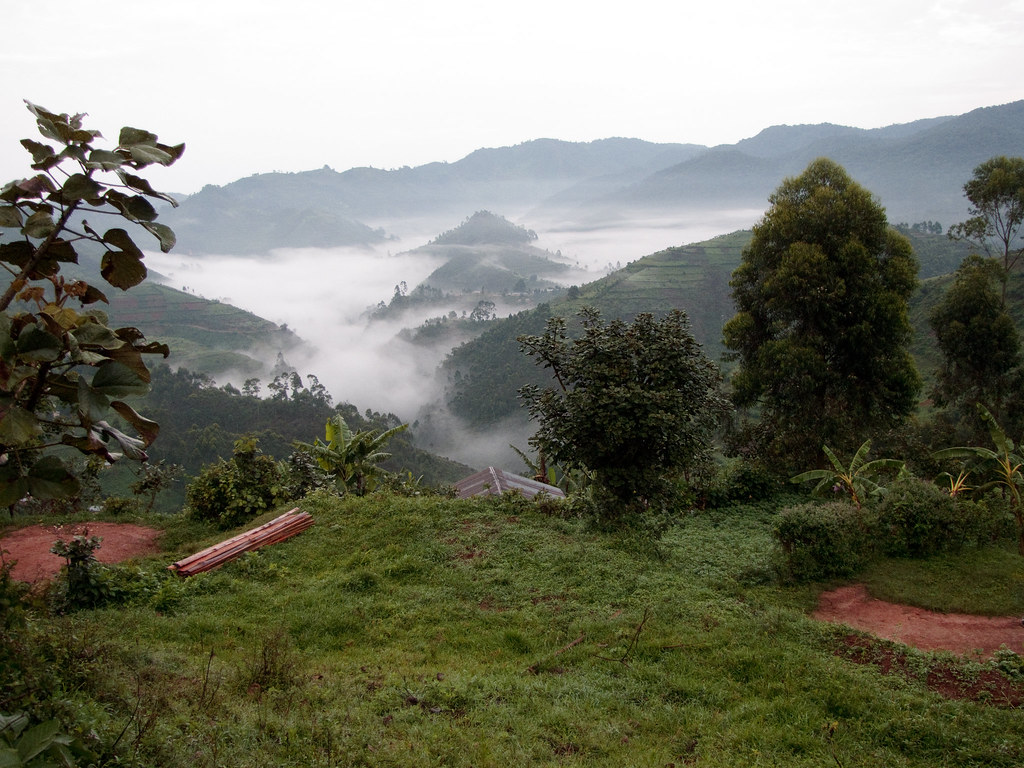
In pre-colonial times, Bwindi remained largely isolated due to its rugged terrain and thick vegetation. Surrounding agricultural communities viewed the forest as difficult to penetrate and often associated it with danger, spirits, and powerful wildlife. This natural barrier limited large-scale settlement and exploitation, inadvertently protecting the forest from extensive destruction.
The forest served as both a refuge and a boundary. While communities interacted with its edges for resources such as medicinal plants or honey, the interior remained largely intact. This period of minimal disturbance played a crucial role in preserving Bwindi’s ecological structure before external pressures intensified.
Colonial Recognition and Forest Protection
During the early 20th century, British colonial administrators began to recognize Bwindi’s importance as a forest resource and ecological stronghold. In 1932, Bwindi was gazetted as a Crown Forest Reserve, marking the first formal legal protection of the area. This designation aimed to control logging, hunting, and settlement, though enforcement was uneven in the early years.
While the forest reserve status limited large-scale exploitation, human activity continued along the boundaries. The colonial period introduced the idea that Bwindi had value beyond immediate resource use, laying the groundwork for later conservation policies focused on biodiversity rather than timber alone.
Transition to National Park Status
Scientific research in the mid-20th century revealed Bwindi’s exceptional biological value, including the presence of endangered species such as mountain gorillas, forest elephants, and rare Albertine Rift birds. These findings shifted conservation priorities and elevated Bwindi’s importance from a regional forest reserve to a site of global significance.
In 1991, Bwindi was officially declared a national park. This decision marked a major turning point in its history, placing strict protection on the forest and prioritizing biodiversity conservation. The transition, however, also resulted in the displacement of forest-dependent communities, making this period both a conservation milestone and a socially complex chapter.
Mountain Gorillas and Global Attention
The presence of mountain gorillas transformed Bwindi’s global profile. Research confirmed that the park hosts nearly half of the world’s remaining mountain gorilla population, making it one of the most critical strongholds for the species. This discovery placed Bwindi at the center of international conservation efforts.
In 1994, Bwindi received UNESCO World Heritage Site status, recognizing its outstanding universal value. This designation strengthened international support, increased conservation funding, and reinforced Uganda’s commitment to protecting the forest for future generations.
The Rise of Gorilla Tourism
Gorilla tourism began in Bwindi in the early 1990s as a carefully managed conservation strategy. Selected gorilla families were habituated to human presence under strict scientific and ethical guidelines. Visitor numbers were limited, interaction time was controlled, and trained rangers accompanied every trek.
Tourism revenue quickly became a cornerstone of Bwindi’s conservation model. Funds from permits supported anti-poaching patrols, ranger training, research, and infrastructure development. Gorilla trekking turned Bwindi into both a conservation success story and one of Africa’s most sought-after wildlife experiences.
Community Relations and Ongoing Challenges
The creation of the national park brought long-term challenges, particularly for displaced communities. Over time, revenue-sharing programs, community tourism initiatives, and cultural experiences were introduced to address historical inequalities. These efforts aimed to ensure that conservation benefits extended beyond park boundaries.
Batwa cultural initiatives now provide platforms for storytelling, education, and income generation, helping preserve traditions while integrating communities into the modern conservation economy. Although challenges remain, community involvement has become a central pillar of Bwindi’s long-term protection strategy.
Bwindi Today
Today, Bwindi stands as one of Africa’s most successful examples of rainforest conservation. Mountain gorilla populations are stable and slowly increasing, and the forest remains largely intact despite intense population pressure in surrounding areas. Bwindi balances tourism, research, conservation, and community engagement within a tightly regulated framework.
The forest’s long history is visible everywhere, from ancient trees and evolving wildlife to living cultural narratives and modern conservation practices. Bwindi is not just a destination; it is a living record of ecological survival and human interaction spanning thousands of years.
Plan Your Safari
Understanding the history of Bwindi adds depth to every gorilla trek. Each path through the forest follows a landscape shaped by ancient climate stability, indigenous knowledge, and modern conservation effort. Visiting Bwindi is as much a journey through time as it is an encounter with wildlife.