How to See the Big Five in Kenya’s National Parks
Kenya remains one of Africa’s most rewarding destinations for seeing the Big Five in their natural habitat. Lions, elephants, leopards, buffalo, and rhinos thrive across diverse landscapes that range from open savannahs and volcanic lakes to arid northern reserves and forested highlands. Strong conservation policies, experienced guiding, and accessible national parks make Kenya an ideal country for both first-time safari travellers and seasoned wildlife enthusiasts seeking meaningful Big Five encounters.
Understanding the Big Five in Kenya
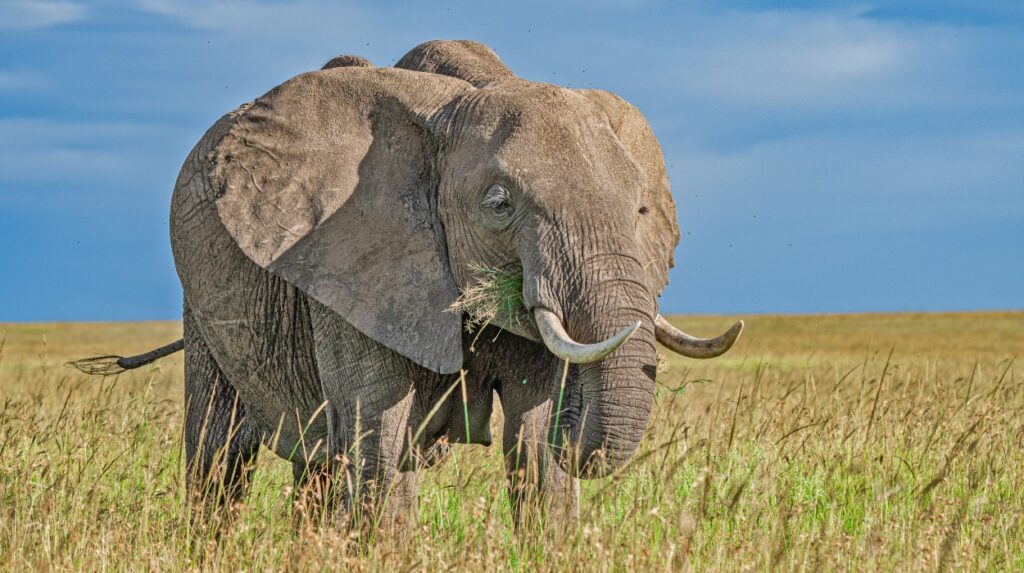
The term “Big Five” originally described the five most difficult animals to hunt on foot. Today, it represents the most iconic species travellers hope to see on safari. Kenya protects healthy populations of all five, although each species favors specific habitats and regions. Knowing where and how to look significantly increases your chances of seeing all five during one safari itinerary.
Best National Parks to See the Big Five in Kenya
Maasai Mara National Reserve
The Maasai Mara offers the highest concentration of Big Five species in Kenya. Lions dominate the plains in large prides, buffalo herds graze openly, and elephants move freely between river systems. Leopards patrol riverine forests, while black rhinos live under protection in selected zones. The Mara’s open terrain and experienced guides make sightings frequent and rewarding.
Amboseli National Park
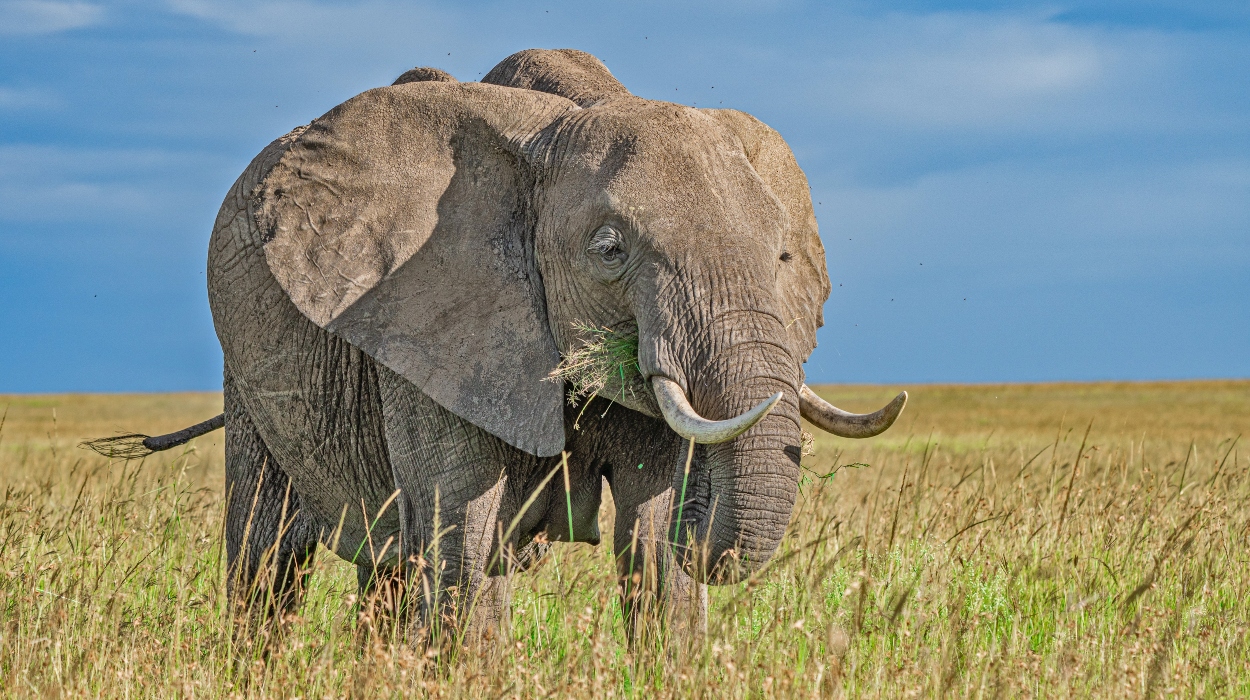
Amboseli is famous for its large-tusked elephants set against the backdrop of Mount Kilimanjaro. While rhinos are absent, lions, buffalo, and leopards appear regularly. The park’s flat landscape and swamps fed by underground springs create excellent visibility and close encounters, especially with elephant families.
Lake Nakuru National Park
Lake Nakuru stands out as one of Kenya’s best places to see both black and white rhinos. The fenced park provides strong protection and reliable sightings. Lions and leopards inhabit the wooded areas, while buffalo graze along the lakeshore. Nakuru plays a crucial role in Kenya’s rhino conservation success.
Samburu National Reserve
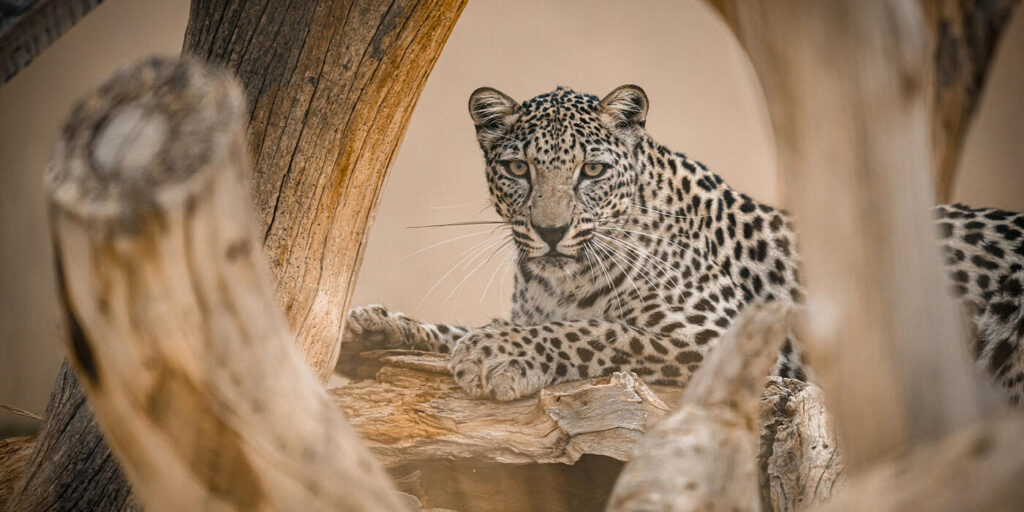
Samburu offers a rugged and less crowded safari experience. Leopards thrive along the Ewaso Nyiro River, lions adapt to the dry environment, and elephants migrate through the reserve. While rhino sightings are rare here, Samburu adds depth to a Big Five itinerary with its unique landscapes and wildlife behavior.
Tsavo East and Tsavo West National Parks
Together forming one of Africa’s largest protected areas, Tsavo supports all members of the Big Five. Elephants stained red by volcanic soil, elusive leopards, scattered lion prides, and protected rhino sanctuaries define the experience. Tsavo rewards patience and suits travellers seeking scale, solitude, and raw wilderness.
Best Time to See the Big Five in Kenya
Wildlife viewing in Kenya remains strong year-round, yet dry seasons provide the best conditions for Big Five sightings. From June to October and January to February, animals gather around water sources, vegetation thins, and tracking becomes easier. These months also offer clearer skies and more predictable game movements.
Green seasons from March to May and November bring fewer vehicles, dramatic scenery, newborn animals, and excellent birdlife. While vegetation grows thicker, skilled guides still secure rewarding Big Five encounters, particularly in well-managed parks.
How Safari Activities Improve Your Chances
Game drives conducted early in the morning and late in the afternoon deliver the highest success rates. Predators remain active during cooler hours, while elephants and buffalo move between feeding and watering areas. Walking safaris in selected conservancies sharpen tracking skills and deepen understanding of animal behavior. In the Maasai Mara, hot air balloon safaris provide a unique aerial perspective on wildlife movements across vast plains.
The Role of Guides and Park Knowledge
Seeing the Big Five depends as much on guiding expertise as on wildlife numbers. Professional guides read tracks, listen for alarm calls, and understand seasonal movement patterns. Communication between guides across parks often leads to well-timed sightings, especially for elusive species such as leopards and rhinos.
Conservation and Responsible Safari Travel
Kenya’s Big Five survive because of strong conservation frameworks supported by tourism revenue. Park fees fund ranger patrols, habitat protection, and community projects that reduce human–wildlife conflict. Choosing responsible safari operators and staying in conservation-focused lodges directly supports the long-term survival of these iconic species.
Planning a Successful Big Five Safari in Kenya
A well-designed itinerary combines multiple parks to balance high-density wildlife areas with diverse landscapes. Allowing enough time in each park increases the chance of relaxed, repeated sightings rather than rushed viewing. Season choice, accommodation location, and guiding quality shape the overall experience.
For inquiries and booking support, African Wild Trekkers provides expert safari planning, tailored itineraries, and in-depth local knowledge to help you experience Kenya’s national parks and the Big Five with confidence and ease.