Calving Season in East Africa – The Most Intense Wildlife Period (January–March)
Calving season represents the most concentrated and emotionally charged phase of the Great Migration. Between January and March, the southern Serengeti and Ndutu plains transform into vast maternity grounds where hundreds of thousands of wildebeest give birth within a remarkably short time. This period delivers nonstop wildlife action, raw predator–prey encounters, and intimate moments that reveal the full cycle of life on the African savannah.
Unlike river crossings, which happen at specific locations and times, calving season unfolds everywhere across open plains. Every game drive brings movement, tension, and storytelling that feels continuous rather than event-based.
What Exactly Is Calving Season?
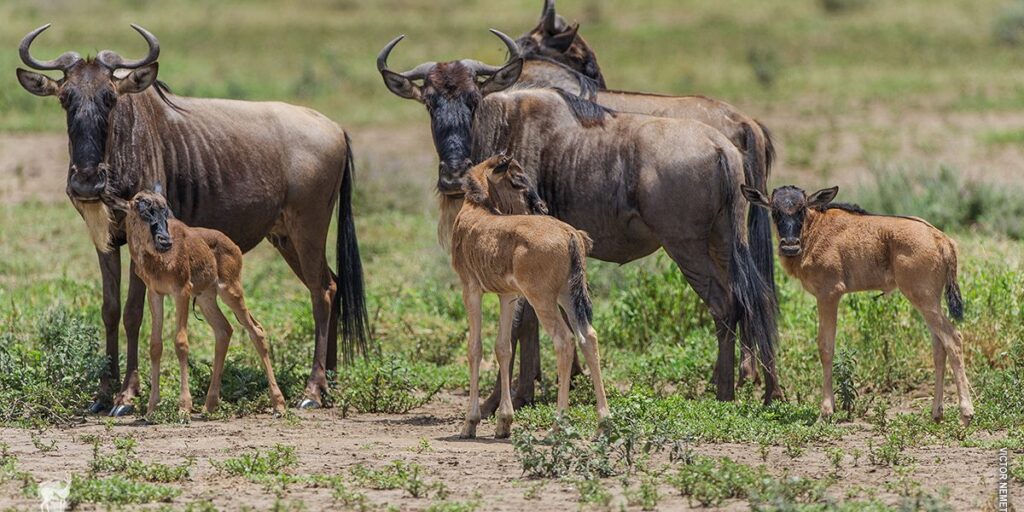
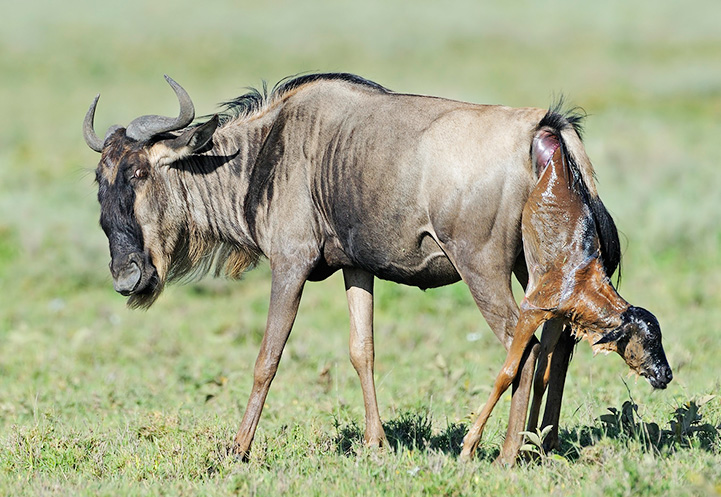
Calving season marks the point in the migration cycle when pregnant wildebeest settle on the short-grass plains of southern Serengeti and Ndutu. Rich volcanic soils produce nutrient-dense grass that supports lactating females and rapid calf development. Wildebeest give birth almost simultaneously as a survival strategy, flooding the plains with newborns in a matter of weeks.
By the peak of the season, over 400,000 calves are born. Most stand within minutes and begin moving with the herd within hours, yet vulnerability remains high. This balance between abundance and risk defines the drama of calving season.
Predator Dynamics During Calving Season
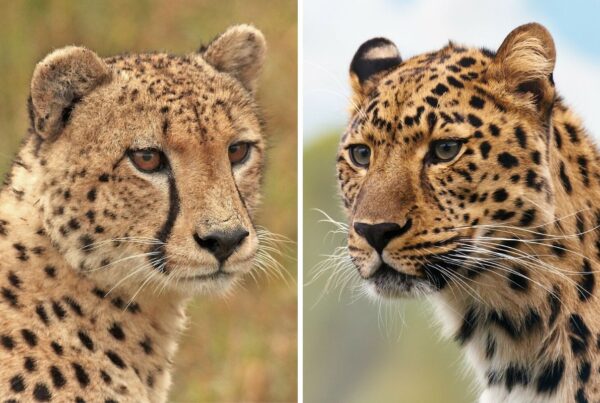
Calving season creates the highest predator density of the entire migration cycle. Lions establish temporary territories near birthing grounds and hunt repeatedly throughout the day. Cheetahs exploit the open plains for speed-based hunts, often targeting calves that stray too far from the herd. Hyenas remain active day and night, while leopards patrol wooded edges and river lines where mothers may seek shelter.
Unlike other times of year, predator activity during calving season is not limited to dawn or dusk. Hunting scenes occur at all hours, making every drive unpredictable and intense.
Wildlife Behavior You Only See at This Time
Calving season reveals behavior rarely witnessed elsewhere. Mothers aggressively defend newborns, sometimes forming temporary alliances against predators. Calves learn to run within days, creating scenes of mass movement as herds surge across the plains. Predators become highly strategic, testing herd defenses and exploiting moments of confusion.
The constant presence of life and death gives calving season a depth that goes beyond spectacle. It offers insight into survival, instinct, and adaptation on a scale unmatched by any other safari period.
Best Locations for Calving Season Safaris
The core of calving season occurs in the Ndutu region and southern Serengeti plains, where grass remains short and visibility stays excellent even after rains. These open landscapes allow unobstructed viewing of hunts, herd movement, and maternal behavior.
While the Maasai Mara does not host calving, many travellers combine a Tanzania calving season safari with a later Kenya safari focused on Big Five sightings. This approach creates a complete migration narrative from birth to river crossings.
Month-by-Month Calving Season Breakdown
January marks the start of calving, with herds settling and early births beginning. Landscapes appear lush and fresh, with fewer safari vehicles and calm conditions.
February delivers peak calving activity. This month offers the highest concentration of newborns and the most intense predator action. Photography conditions remain excellent due to short grass and dramatic skies.
March sees late calving and increased predator pressure as herds prepare to move north. Action remains strong, though movement begins to spread across wider areas.
Photography and Visual Storytelling
Calving season is widely considered the best period for wildlife photography. Short grass improves visibility, while overcast skies soften light and reduce harsh shadows. Dust, movement, and emotion dominate scenes, allowing photographers to capture storytelling images rather than isolated sightings.
Fast shutter speeds, patience, and positioning near active herds yield powerful results. Even non-photographers find this season visually overwhelming due to constant motion and proximity.
Calving Season vs River Crossings
Calving season emphasizes frequency and intimacy, while river crossings focus on scale and suspense. During calving, action happens repeatedly across the plains, without crowds or fixed viewing points. River crossings, by contrast, involve waiting for a single dramatic event that may or may not occur.
Travellers who value continuous wildlife interaction, fewer vehicles, and deeper ecological understanding often prefer calving season over peak Mara migration months.
Travel Experience and Crowd Levels
Calving season falls outside traditional peak travel months, resulting in fewer visitors and more relaxed safari pacing. Camps operate close to wildlife, reducing drive times and allowing multiple visits to active areas throughout the day. Roads remain navigable, and the atmosphere feels immersive rather than hurried.
This season suits experienced safari travellers, photographers, families, and anyone seeking raw nature over polished spectacle.
Planning a Successful Calving Season Safari
Success during calving season depends on timing, camp location, and guiding expertise. Staying near active birthing grounds ensures consistent sightings without long drives. Flexible schedules allow guides to follow wildlife behavior rather than fixed routes.
For travellers who want this experience planned with precision and insight, African Wild Trekkers offers tailored calving season safaris that align camp placement, timing, and guiding to deliver the most rewarding encounters possible.