Wildlife Photography Tips for Big Five Safaris
Safari wildlife photography. Photographing the Big Five is one of the most rewarding challenges in wildlife photography. Lions, elephants, leopards, buffalo, and rhinos each demand different techniques, patience levels, and creative approaches. A successful Big Five photo safari goes beyond camera settings. It depends on understanding animal behavior, light, positioning, and timing, while respecting wildlife and the environment.
Whether you are using a professional DSLR, mirrorless camera, or a high-end smartphone, these tips will help you return home with images that tell real safari stories rather than simple sightings.
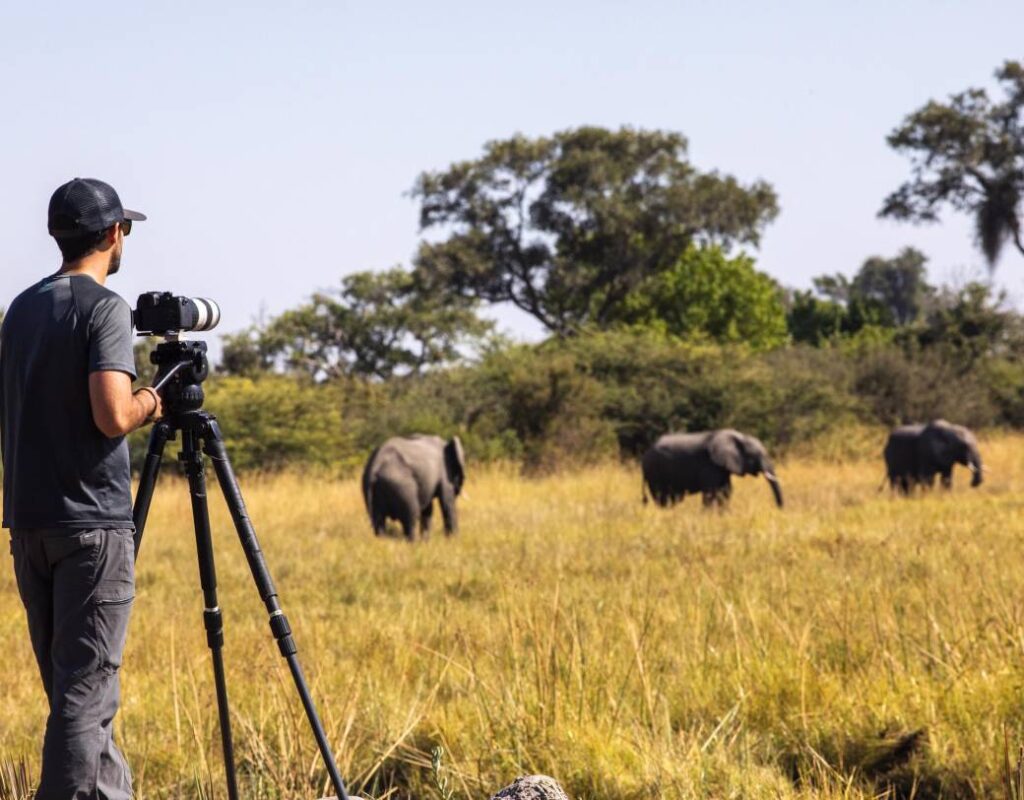
Understand the Behavior Before You Shoot
Great wildlife images begin with observation. Each of the Big Five follows predictable patterns that influence how and when you photograph them.
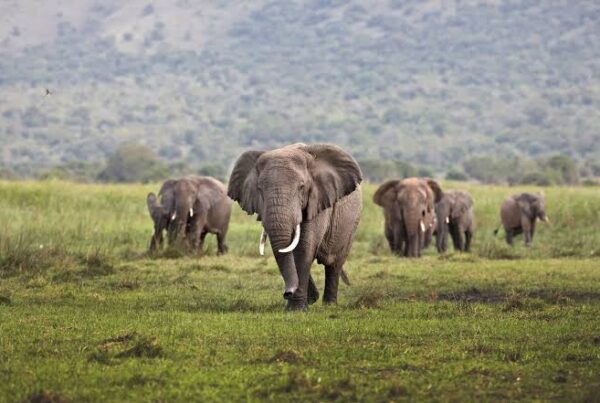
Lions are most active early in the morning and late afternoon. This is when you capture hunting behavior, social interaction, and dramatic movement. Elephants move steadily throughout the day, offering opportunities for layered compositions and emotional family scenes. Leopards require patience and anticipation, often revealing themselves briefly along riverbanks or in trees. Buffalo herds create powerful group dynamics, while rhinos reward careful framing and distance awareness.
Knowing what an animal is likely to do next allows you to position yourself for stronger images instead of reacting too late.
Light Is More Important Than the Animal
Light shapes mood, texture, and storytelling. The best wildlife photography happens during the golden hours just after sunrise and before sunset. Soft light enhances fur detail, reduces harsh shadows, and adds warmth to landscapes.
Midday light often flattens images, but it can work for elephants at waterholes or high-contrast black-and-white compositions. Cloudy days offer excellent conditions for photographing dark subjects like buffalo and rhinos, as diffused light reveals detail without glare.
Always think about the direction of light. Positioning the sun behind you improves clarity, while side-lighting adds depth and drama.
Composition Makes the Difference
Avoid placing animals directly in the center of the frame unless the moment demands symmetry. Use the rule of thirds to create balance and movement. Leave space in the direction the animal is looking or moving to give your image context and narrative flow.
Include environmental elements such as trees, dust, grass, or sky to show scale and habitat. A leopard in a tree or an elephant beneath storm clouds tells a stronger story than a tight crop alone.
Foreground elements like grass or branches can add depth when used intentionally.
Camera Settings for Big Five Photography
Fast-moving predators require faster shutter speeds, especially during hunts or chases. A shutter speed of 1/1000 or higher freezes action, while slower speeds can introduce creative motion blur.
Use a wide aperture to separate the subject from the background, particularly for portraits of lions and leopards. For group scenes like buffalo herds or elephant families, a slightly narrower aperture keeps more subjects in focus.
Keep ISO flexible. Modern cameras handle higher ISO well, and a sharp image with slight grain always beats a blurred shot.
Lens Choice and Framing Strategy
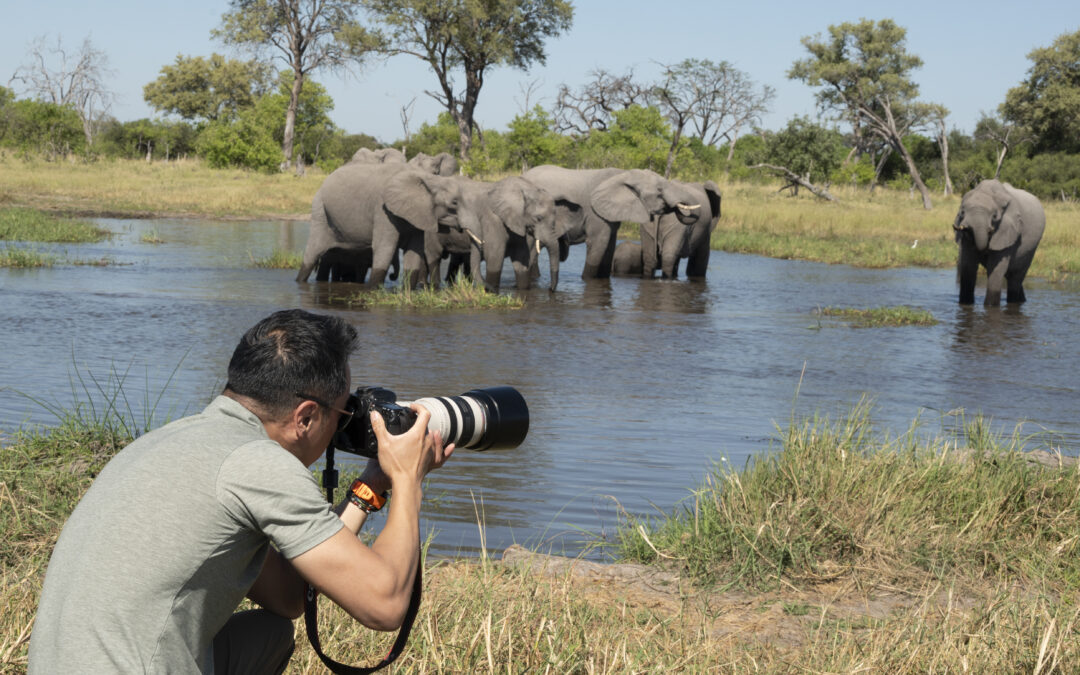
A telephoto lens helps capture detail without disturbing animals. Focal lengths between 200mm and 400mm work well for most Big Five encounters. Longer lenses benefit leopard and rhino photography, while elephants and buffalo often allow closer compositions.
Avoid zooming constantly. Sometimes pulling back to include environment and behavior creates more powerful images than tight portraits.
Anticipate, Don’t Chase the Shot
Wildlife photography rewards patience. Instead of following animals aggressively, stay calm and observe. Animals often repeat behavior patterns, giving you multiple chances to refine composition and timing.
Listening to your guide is critical. Experienced guides understand animal behavior and positioning and can place the vehicle for optimal angles and light. Communication with your guide improves results significantly.
Respect Wildlife and Ethics
Never pressure animals for a photograph. Avoid blocking movement, crowding predators, or requesting unsafe positioning. Ethical photography protects wildlife and ensures natural behavior.
Silence, steady movements, and respect for distance improve both safety and image quality.
Editing and Storytelling After the Safari
Post-processing should enhance reality, not distort it. Adjust exposure, contrast, and sharpness carefully. Preserve natural colors and textures to maintain authenticity.
When selecting images, think in sequences. A series showing stalking, tension, and outcome tells a stronger story than a single dramatic frame.
Planning a Photography-Focused Safari
Photography success depends heavily on itinerary design. Fewer parks, longer stays, flexible schedules, and experienced guides create better conditions than rushed travel. Open-sided vehicles, private game drives, and early starts make a significant difference.
For travellers seeking photography-focused Big Five safaris, African Wild Trekkers designs itineraries that prioritize light, positioning, patience, and expert guiding, ensuring photographers have the time and space needed to capture meaningful images.