Big Five Safari Adventures in Amboseli National Park
Amboseli National Park offers one of Kenya’s most visually striking safari experiences, defined by vast open plains, permanent swamps, and the dramatic backdrop of Mount Kilimanjaro. While Amboseli is world-famous for its giant tusked elephants, the park also supports strong populations of lions, buffalo, and leopards, creating a rewarding Big Five safari adventure shaped by scenery, visibility, and intimate wildlife encounters.
For travellers who value close-range wildlife viewing, iconic landscapes, and relaxed game drives, Amboseli delivers a distinctive Big Five experience that complements Kenya’s larger reserves.
Why Amboseli Is Unique for Big Five Safaris
Amboseli’s defining strength lies in visibility. Flat terrain and sparse vegetation allow travellers to spot wildlife from great distances, reducing long tracking drives and increasing time spent observing behavior. Underground water from Mount Kilimanjaro feeds year-round swamps, drawing animals consistently even during dry months.
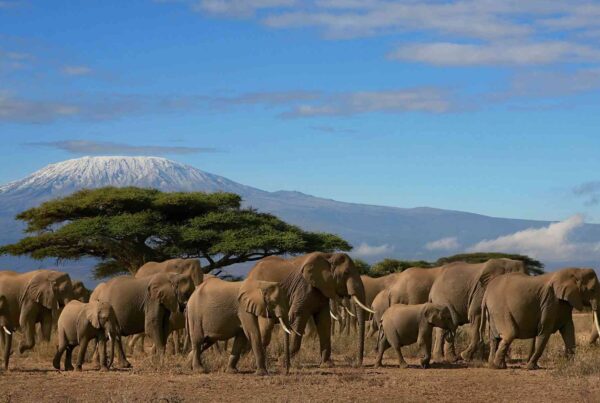
Elephants dominate the ecosystem and shape daily wildlife movement. Predators follow these patterns, making game drives feel natural and predictable rather than rushed. The constant presence of Kilimanjaro adds scale and atmosphere that few safari destinations can match.
The Big Five Experience in Amboseli
Elephants: Amboseli’s Signature Species
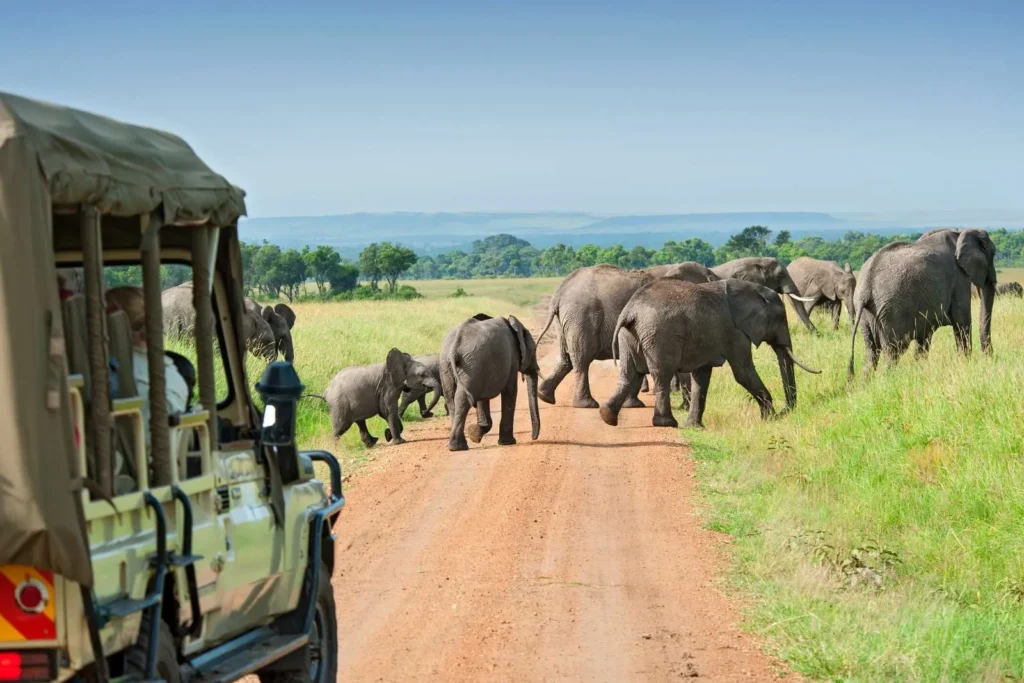
Amboseli protects some of Africa’s largest and oldest elephant bulls, many carrying massive ivory tusks. Families move calmly between swamps and plains, allowing extended observation of social behavior, communication, and interaction. These encounters often happen at very close range, making Amboseli one of the best places in Africa for elephant photography.
Lions: Open-Plain Predators
Lions thrive in Amboseli’s grasslands and marsh edges, where prey remains abundant year-round. Sightings frequently include pride interactions, cubs, and daylight movement. The open environment allows guests to follow hunts and territorial behavior without obstruction.
Leopards: Elusive but Present
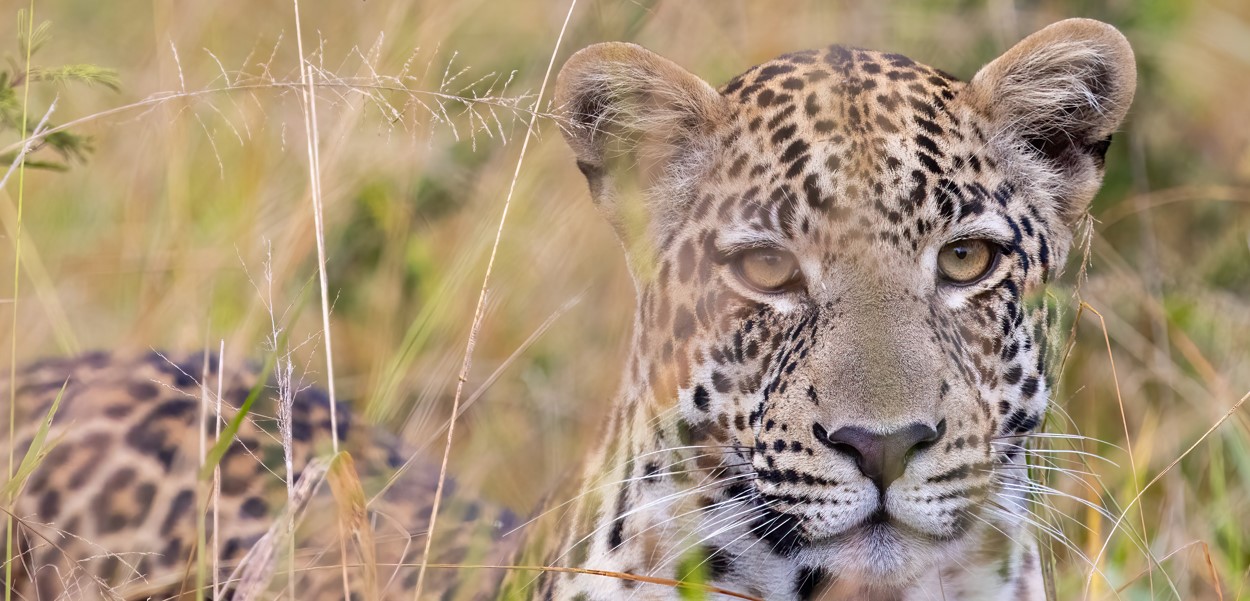
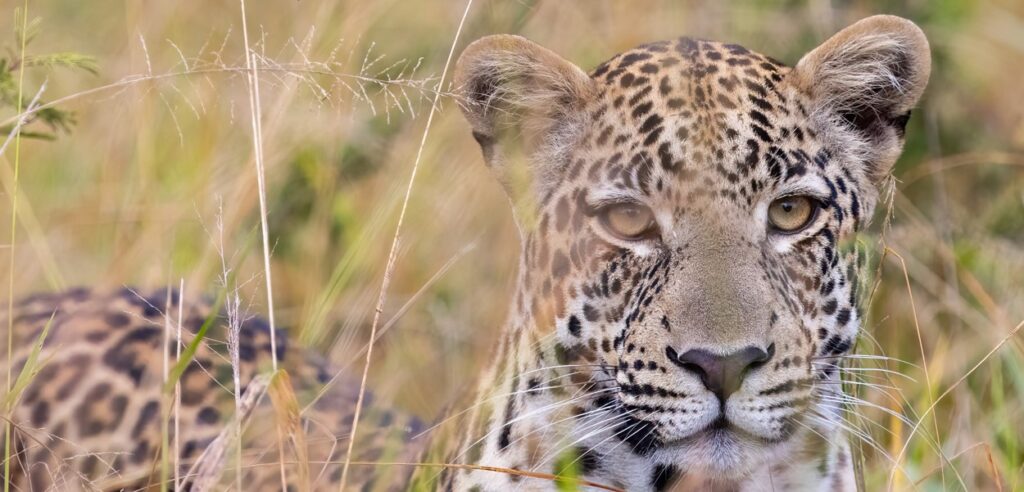 Leopards remain the most challenging of the Big Five to spot in Amboseli, yet patient tracking near wooded patches and swamp edges often pays off. Fewer trees mean that when leopards appear, sightings tend to be clear and rewarding.
Buffalo: Power Around the Swamps
Large buffalo herds gather near permanent water sources, particularly in the central swamps. Their presence attracts predators and creates dramatic wildlife interactions, especially during dry periods.
Rhinos: Not Resident
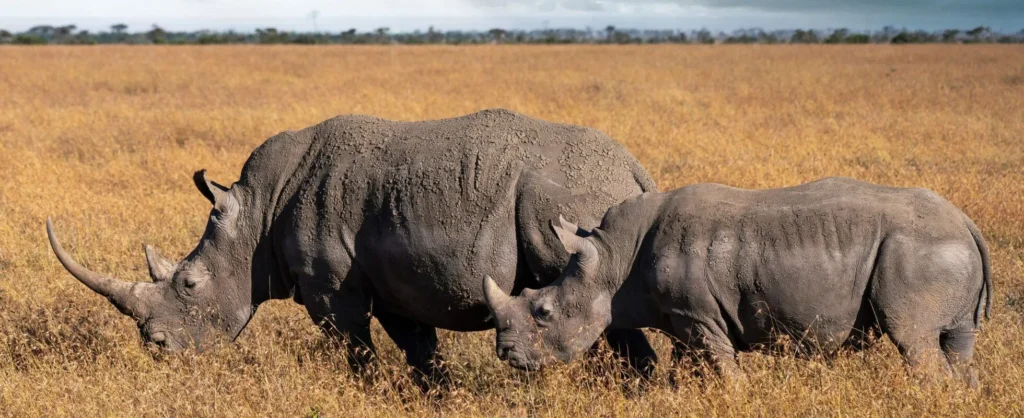
Amboseli does not host resident rhino populations. For travellers seeking all five species, Amboseli is best combined with parks such as Lake Nakuru or the Maasai Mara, where rhino sightings are more reliable.
Best Time for Big Five Safaris in Amboseli
Amboseli offers excellent wildlife viewing throughout the year due to permanent water sources. The dry seasons from June to October and January to February provide the clearest conditions, concentrated wildlife, and the best visibility of Mount Kilimanjaro.
During November to May, the landscape becomes greener and more dramatic. Afternoon clouds may obscure Kilimanjaro’s peak, yet wildlife remains abundant, and fewer visitors create a quieter safari atmosphere. Early mornings during these months still deliver clear mountain views and strong animal activity.
Safari Activities in Amboseli
Game drives form the core of the safari experience, with early morning and late afternoon outings offering the best light and predator movement. Extended drives around the swamps allow close observation of elephants, buffalo, hippos, and birdlife.
Cultural visits to nearby Maasai communities add depth to the experience, explaining how pastoral life coexists with wildlife conservation. Nature-focused walks outside the park provide insight into plant life, tracks, and traditional land use.
Photography in Amboseli National Park
Amboseli ranks among Africa’s top wildlife photography destinations. The combination of open plains, reflective water, dust trails, and Kilimanjaro’s snow-capped peak creates natural compositions without heavy cropping. Morning light enhances texture on elephants and lions, while evening sunsets produce silhouette shots that define classic safari imagery.
Photographers benefit from minimal visual clutter, making Amboseli ideal for both professionals and travellers using standard cameras or smartphones.
Where to Stay in Amboseli
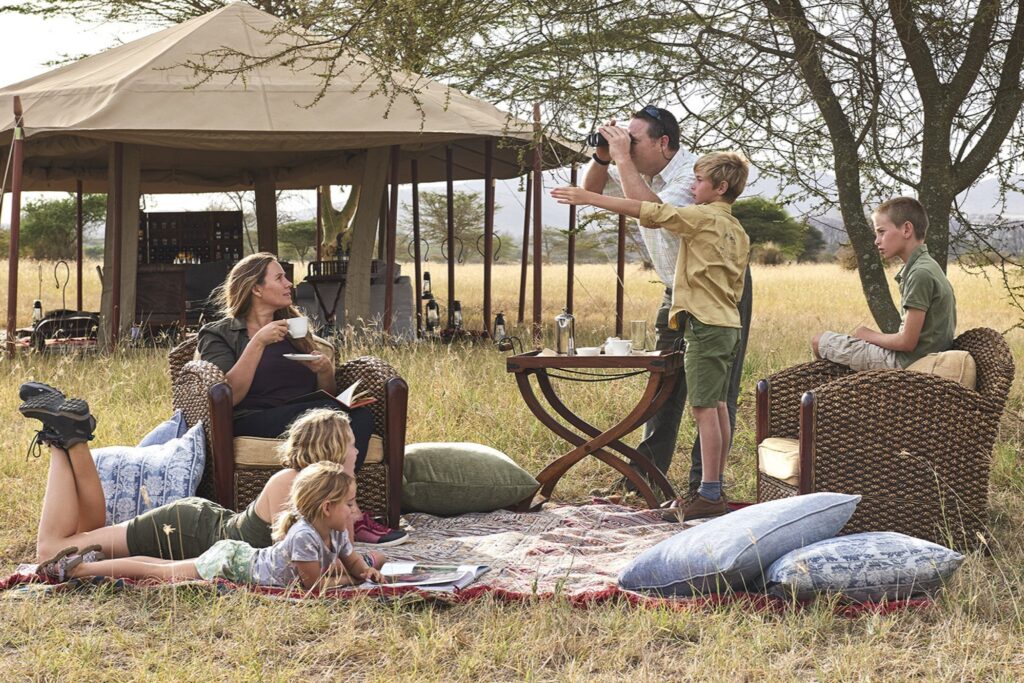
Accommodation ranges from comfortable safari lodges to refined tented camps positioned along wildlife corridors and swamp edges. Properties focus on views, space, and easy access to game-drive routes. Staying close to water sources improves wildlife sightings and reduces drive times, especially for families and photographers.
Combining Amboseli with Other Big Five Destinations
Amboseli pairs exceptionally well with other Kenyan parks. Combining it with Lake Nakuru adds reliable rhino sightings, while linking Amboseli with the Maasai Mara delivers a complete Big Five and predator-focused safari circuit. These combinations balance scenery, species diversity, and safari pace.
Planning Your Amboseli Big Five Safari
A successful Amboseli safari depends on timing, lodge location, and guiding expertise. Fewer days with well-planned drives often deliver better results than rushed itineraries. Choosing camps near swamps and allowing flexible schedules ensures deeper wildlife encounters rather than simple sightings.
For inquiries and booking, African Wild Trekkers offers expertly planned Amboseli safari adventures, combining experienced guides, ideal lodge placement, and seamless logistics to help you experience the Big Five in one of Kenya’s most scenic national parks.