Ultimate Big Five Photography Safari in Kenya
Kenya offers some of the most compelling wildlife photography opportunities in Africa, especially for capturing the Big Five — lions, elephants, leopards, buffalo, and rhinos — in dramatic landscapes and authentic behavior. An Ultimate Big Five Photography Safari in Kenya is built around strategic locations, expert guiding, ideal light, and flexible schedules that prioritize photographic success over rigid itineraries. From the rolling plains of the Maasai Mara to the iconic backdrop of Mount Kilimanjaro in Amboseli, this safari combines visual storytelling with unforgettable wildlife encounters.
For expertly tailored photo safaris designed to your skill level and interests, African Wild Trekkers offers personalized planning that aligns the best locations, seasons, and guiding to maximize your photography results.
Why Kenya Is Exceptional for Big Five Photography
Kenya’s national parks and reserves deliver varied landscapes, predictable wildlife movements, and world-class guiding, making them ideal for both experienced and aspiring photographers. Open-savannah systems in the Maasai Mara and Amboseli allow unobstructed shooting opportunities. Well-managed parks like Lake Nakuru and private conservancies provide reliable access to rhinos and leopards. Strong predator densities, large elephant families, and buffalo herds create constant photographic subjects in evolving light conditions. Strategic planning ensures you’re always where the action is — during golden hour, midday interaction, and ambient sunset drama.
Key Locations for Big Five Photography
Maasai Mara National Reserve
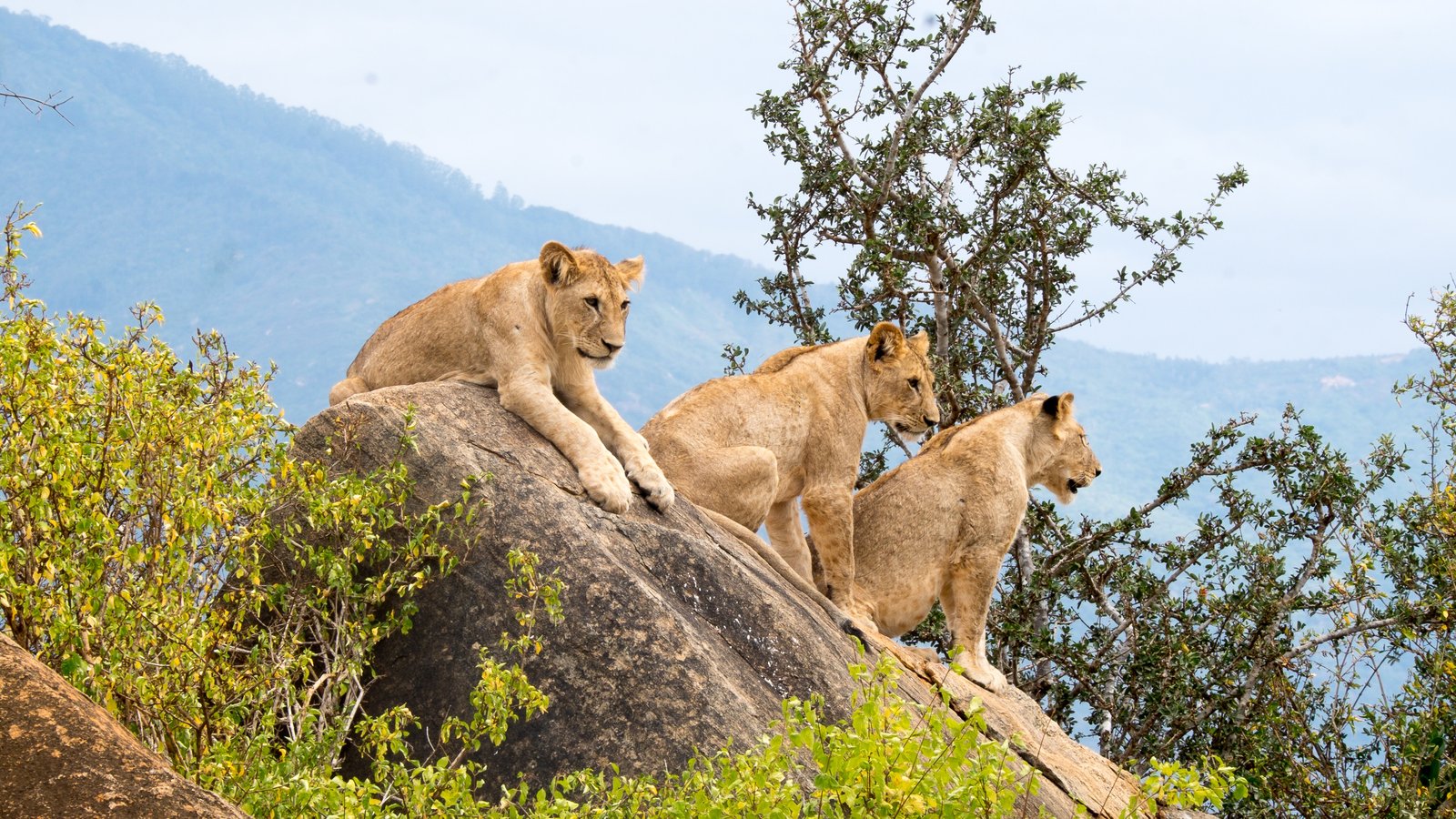
The Maasai Mara remains Kenya’s premier photography destination. Open plains, kopjes, and seasonal rivers offer dramatic backdrops for lions in action, elephants on the move, and buffalo in dynamic group behavior. Leopards near riverine thickets provide rich narrative opportunities, while occasional rhino sightings in adjacent conservancies add depth to your portfolio. Strong guiding networks and inter-guide communication ensure photographers are positioned for optimal sightings and angles.
Amboseli National Park
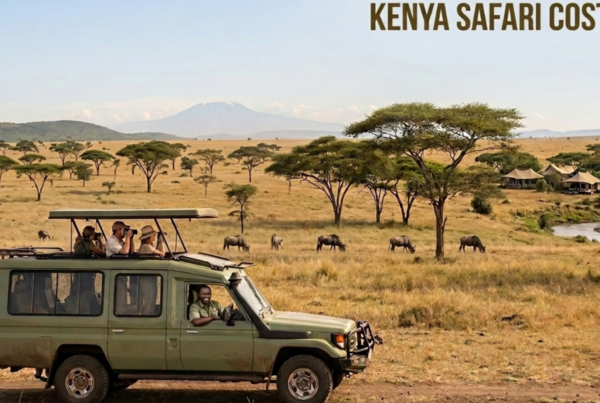
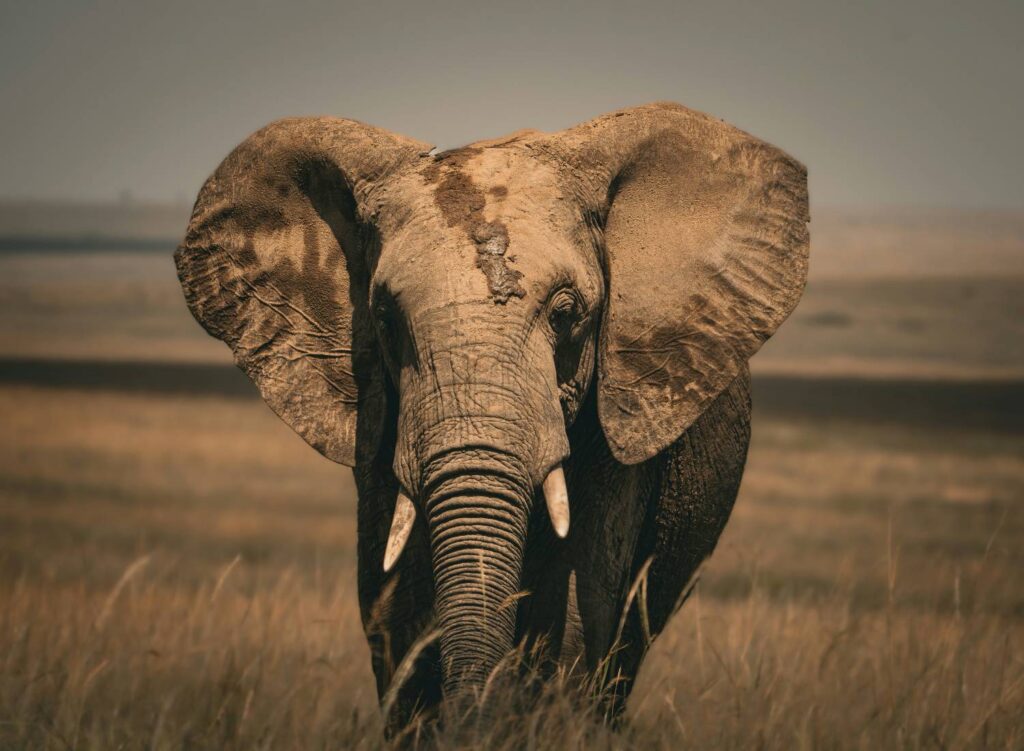
Amboseli’s claim to fame is its elephant photography: large family groups set against the snow-capped peak of Mount Kilimanjaro. The flat terrain and shorter grass result in clear lines of sight, making it easier to compose images with powerful context. Lions, buffalo, and occasional leopards add strong secondary subjects, while reflective pools and dusty roads enrich visual storytelling during golden hours.
Lake Nakuru National Park
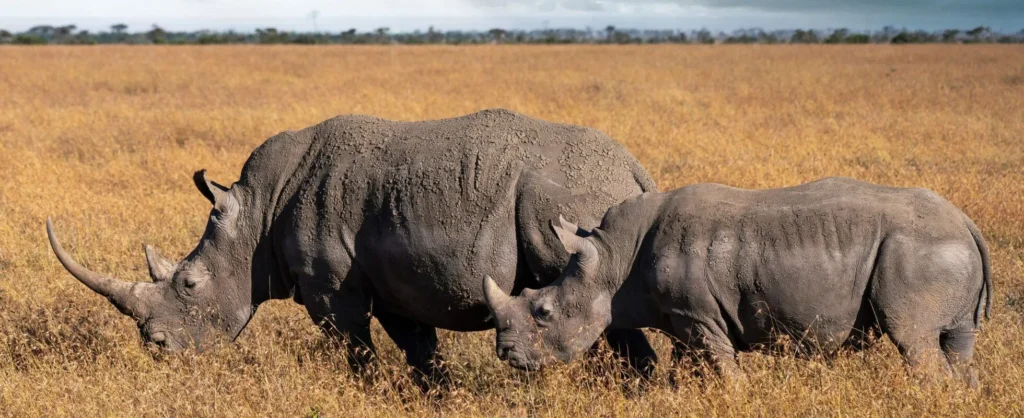
Lake Nakuru offers one of Kenya’s most reliable rhino photography opportunities. Both black and white rhinos inhabit this protected ecosystem, allowing intimate portraits against woodland and lakeshore backdrops. Waterfowl, buffalo, and lions in the woodland edges make this park a versatile stop on a photography-focused safari.
Private Conservancies Around the Mara
Adjacent conservancies expand photographic access to elusive leopards, nocturnal activity, and off-road vantage points that are closed within the national reserve. Early morning and evening drives here often yield spectacular light for predator portraits and close-ups without vehicle congestion.
Photography-Centric Safari Activities
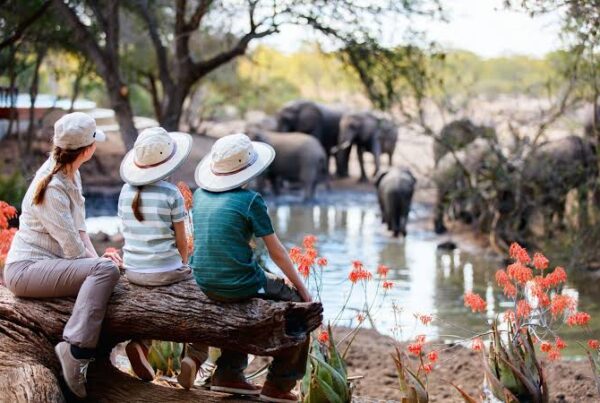
Photography safaris demand pacing that aligns with light and animal movement. Early morning departures capture predators returning from night hunts and elephants traversing reflective waterholes. Late afternoon drives exploit the golden hour, when dust-filled scenes and warm light add drama to portraits of buffalo herds or solitary rhinos. Flexible timing allows midday breaks for gear care and workstation review, while guided night drives (where permitted) provide opportunities for nocturnal behavior shots.
Beyond vehicles, guided walking safaris sharpen tracking skills and reveal micro-beauty — tracks, insects, bird behavior, and ecological detail that enrich a photography portfolio beyond mammal portraits.
Best Time for Big Five Photography in Kenya
While wildlife photography remains strong year-round, certain months elevate your chances of dramatic imagery:
Dry Season (June–October): Short grass and concentrated wildlife around water sources improve visibility and composition. Herds cluster more predictably, and open landscapes emphasize subject isolation.
Short Dry Season (January–February): Warm light and fewer visitors create quieter photography conditions. Wildlife remains active and approachable without peak crowds.
Green Season (November & March–May): Lush vegetation and dramatic skies deliver rich color palettes and creative opportunities, though grass height may require longer focal lengths and patient tracking.
Seasonal choice depends on personal photography goals: clarity and concentration versus lush expression and mood.
Equipment and Settings for Big Five Photography
Successful Big Five photography hinges on preparation and adaptability. Telephoto lenses (200–400mm) dominate for predator and rhino portraits, while wide-angle lenses (16–35mm) reveal environmental context and scenes with elephants or buffalo. Fast shutter speeds (1/1000s or faster) freeze action during hunts or dust play. Apertures between f/4 and f/8 balance background separation with subject sharpness.
Understanding your camera’s ISO performance allows confident shooting in early dawn or dusk light without sacrificing clarity. Tripods or gimbal heads stabilize heavy lenses during long, patient waits for decisive moments.
Composition and Storytelling
Great wildlife images tell a story. Place your subject with space to “move into” within the frame, and use foreground or background elements — grasses, water reflections, dust, or sky — to add depth. Seek behavioral context: a lion stalking, a matriarch elephant leading her family, a buffalo unit defending against predators, or rhinos grazing amid acacia shadows. Panthera species like leopards thrive in shaded edges — learning to work with contrast and dappled light sharpens your visual narrative.
Choosing the Right Guide and Vehicle
Experienced guides contribute enormously to photographic success. They anticipate behavior, read tracks, and communicate with other guides to place you in the right spot at the right time. Open-sided safari vehicles or photographic pop-up roofs enable unobstructed views and rapid repositioning. A guide who understands photography — even at a basic level — becomes an invaluable partner in your safari success.
Logistics, Comfort, and Workflow
Photo safaris benefit from multi-night stays in key wildlife zones, reducing transit time and maximizing shooting opportunities during golden hours. Comfortable lodges and camps with early breakfast service and flexible drive times support a photography-centric pace. Storage solutions for gear, charged batteries, and ample memory cards ensure that you never miss a moment.
African Wild Trekkers – Tailored Photography Safari Planning
Planning a photography-focused Big Five safari requires aligning seasons, locations, and logistical details with your personal style and photographic goals. African Wild Trekkers specializes in designing custom safaris that prioritize light, wildlife flow, and accessibility, ensuring you experience Kenya’s Big Five at their most photogenic.
Whether you’re an enthusiast or professional, we craft itineraries that enhance your chances of capturing iconic wildlife imagery while enjoying the depth and beauty of Kenya’s natural landscapes.