How to See Kenya’s Big Five in One Week
Seeing all of Kenya’s Big Five — lion, elephant, leopard, buffalo, and rhino — in just one week is absolutely achievable with the right planning. Kenya’s strength lies in its compact yet wildlife-rich parks, good road connections, and long-established safari infrastructure. When your itinerary focuses on high-density wildlife areas, minimizes long transfers, and allows enough time in each park, one week becomes enough to experience the full Big Five story without rushing.
This guide explains how to structure a one-week safari that balances efficiency, comfort, and meaningful wildlife encounters.
The Key to Success: Fewer Parks, Smarter Routing
The biggest mistake travellers make when planning a short safari is trying to visit too many parks. Long drives eat into valuable game-viewing time and increase fatigue. For a one-week Big Five safari, the most effective approach is to combine three strategically chosen parks that complement each other.
The ideal combination is Maasai Mara, Lake Nakuru, and Amboseli National Park. Together, these destinations cover all Big Five species with high reliability while keeping travel distances reasonable.
Days 1–3: Maasai Mara – Lions, Leopards, Elephants, and Buffalo
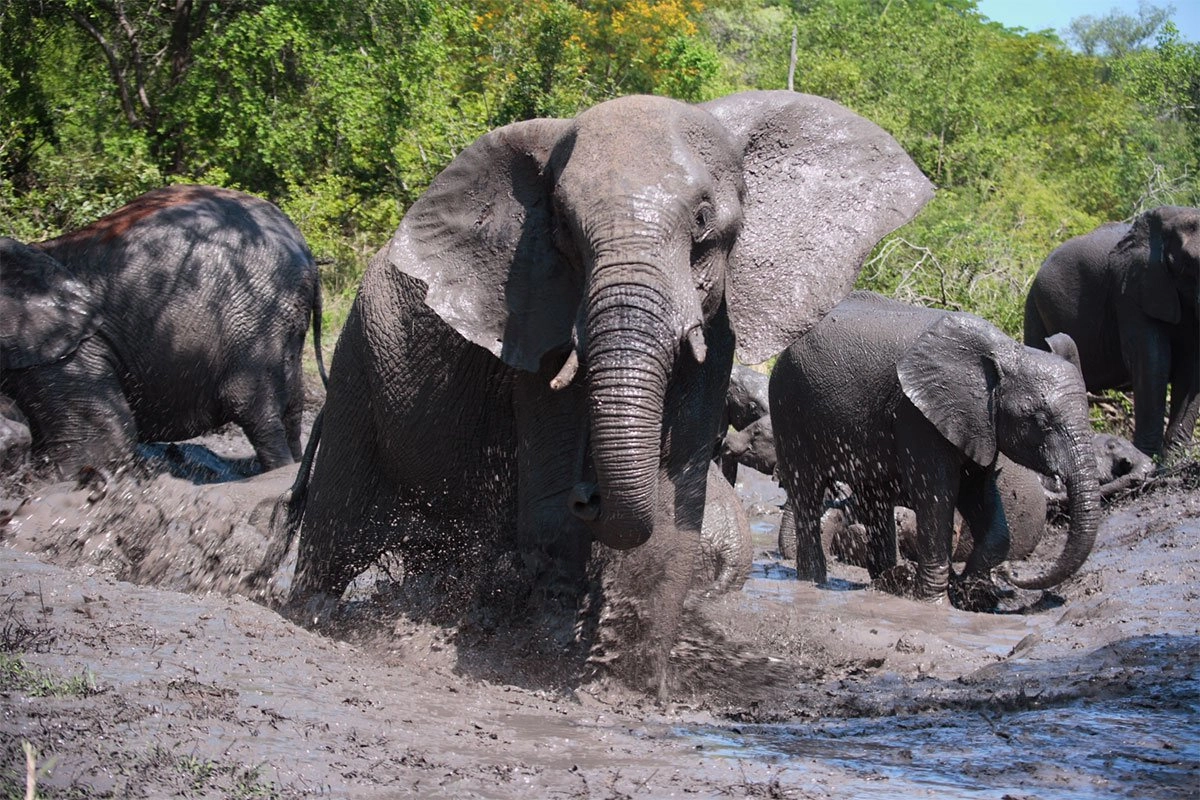
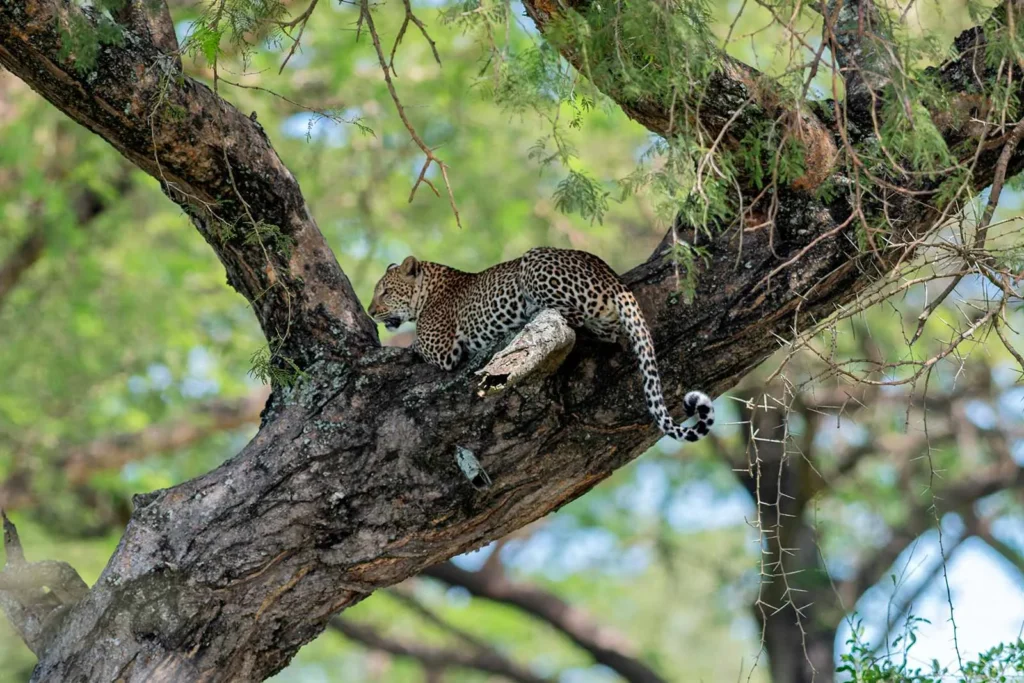
Your safari begins in the Maasai Mara, Kenya’s most wildlife-dense reserve and the backbone of any Big Five itinerary. Spending at least three days here gives you the best chance to see lions daily, observe elephant families moving between plains and rivers, encounter large buffalo herds, and patiently track leopards along riverine forests.
Early morning and late afternoon game drives reveal predator behavior and natural movement patterns. Staying close to wildlife corridors reduces driving time and allows guides to focus on behavior rather than distance. By the end of your Mara stay, you will likely have seen at least four of the Big Five, often multiple times.
Days 4–5: Lake Nakuru – Completing the Big Five with Rhinos
After the Maasai Mara, Lake Nakuru National Park fills the most important gap in a one-week safari: rhino sightings. The park is one of Kenya’s most reliable locations for both black and white rhinos, protected within a compact, well-managed ecosystem.
Because Lake Nakuru is relatively small, game drives are relaxed and efficient. In addition to rhinos, the park offers buffalo, lions, leopards, and a rich birdlife along the lakeshore. Two days here are usually enough to secure rhino sightings and enjoy the contrast between open savannah and wooded habitats.
Days 6–7: Amboseli – |Elephants and Iconic Landscapes
Amboseli National Park provides the final chapter of your Big Five journey with its world-famous elephant populations set against Mount Kilimanjaro. While rhinos are absent here, Amboseli excels at close-range elephant encounters, lion sightings in open plains, and buffalo activity around swamps.
The flat terrain and permanent water sources make wildlife easy to spot, which is ideal at the end of a busy week. Early morning drives often reveal clear views of Kilimanjaro, while afternoon drives showcase elephants returning to water. This scenic and relaxed environment provides a perfect conclusion to your safari.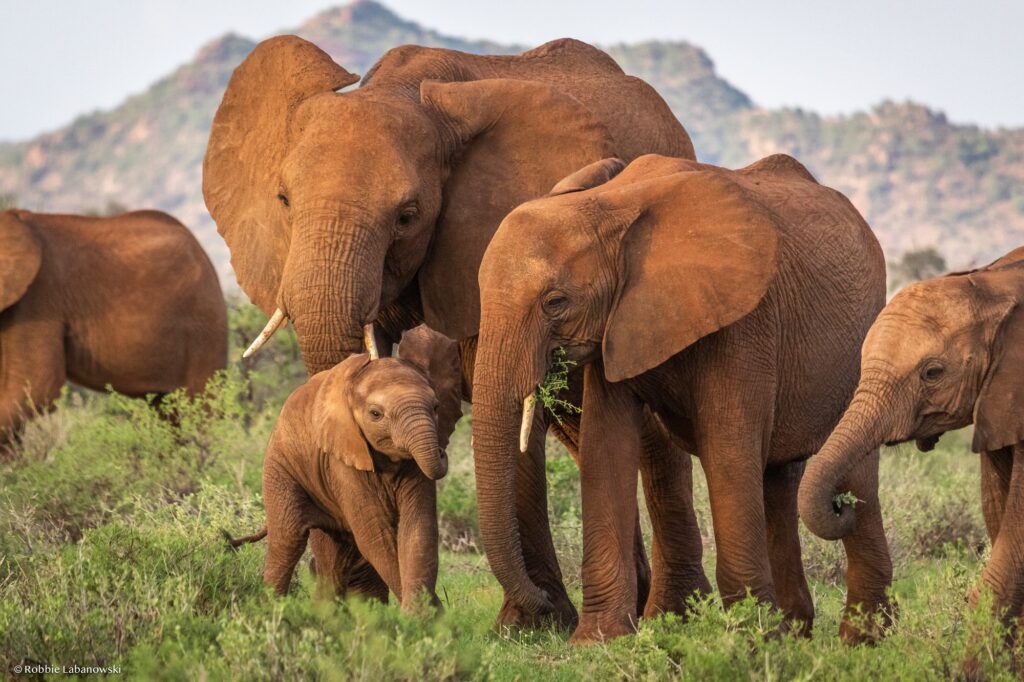
Why This Route Works So Well in One Week
This three-park route works because each destination plays a specific role. The Maasai Mara delivers predator action and overall wildlife density. Lake Nakuru guarantees rhino sightings. Amboseli adds iconic scenery and unmatched elephant experiences. Together, they eliminate redundancy and maximize Big Five exposure without unnecessary travel.
Road transfers between these parks are manageable within a week, especially when paced properly and combined with well-located accommodations.
Best Time of Year for a One-Week Big Five Safari
The dry seasons from June to October and January to February offer the most predictable Big Five sightings. Short grass, concentrated water sources, and active predators improve visibility and reduce tracking time.
Shoulder months such as November and early December also work well for travellers seeking fewer crowds and slightly lower costs, as wildlife activity remains strong despite greener landscapes.
Accommodation Choices That Improve Your Chances
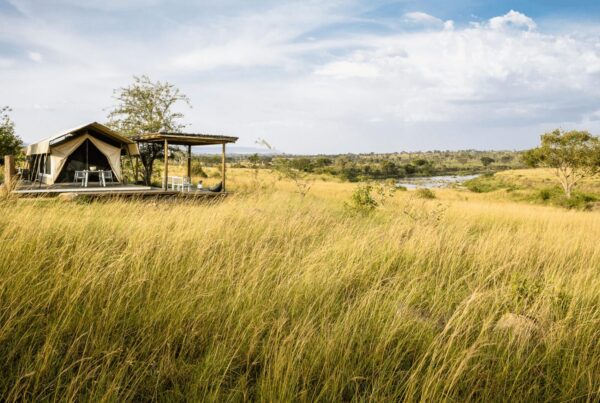
For a short safari, accommodation location matters more than luxury level. Staying near park entrances, rivers, or wildlife corridors reduces driving time and increases actual viewing hours. Comfortable mid-range lodges or tented camps often deliver better wildlife access than distant luxury properties.
Choosing lodges that allow early departures and flexible game-drive schedules further improves your chances of success.
Guided vs Self-Drive in One Week
While self-drive safaris are possible in Kenya, a one-week Big Five safari strongly benefits from professional guiding. Experienced guides understand animal movement patterns, communicate with other guides, and know where sightings are likely to develop. This expertise saves time and dramatically increases your chances of seeing elusive species like leopards and rhinos within a short window.
Planning Makes the Difference
Seeing Kenya’s Big Five in one week is not about luck; it is about planning. The right route, the right timing, and the right guiding turn seven days into a complete safari story rather than a rushed checklist.
For travellers who want to experience Kenya’s Big Five efficiently and confidently, African Wild Trekkers designs one-week safari itineraries that prioritize wildlife density, smart routing, and well-paced game drives. With local insight and thoughtful planning, they help you make the most of every single day in the bush.