Nkuringo Cultural Center – Community, Heritage, and Conservation in Southern Bwindi
The Nkuringo Cultural Center is a community-led initiative located near the Nkuringo Sector in the southern part of Bwindi Impenetrable National Park. The center was established to provide visitors with meaningful insight into local culture while ensuring that tourism benefits directly support surrounding communities. It plays a vital role in connecting gorilla tourism with cultural preservation and sustainable livelihoods.
Rather than functioning as a performance venue alone, the Nkuringo Cultural Center serves as a living space where traditions, daily life, and conservation awareness intersect. It offers travelers a chance to understand the social fabric of the Nkuringo area, shaped by generations of farming communities living alongside one of Africa’s most important rainforests.
Location and Community Setting
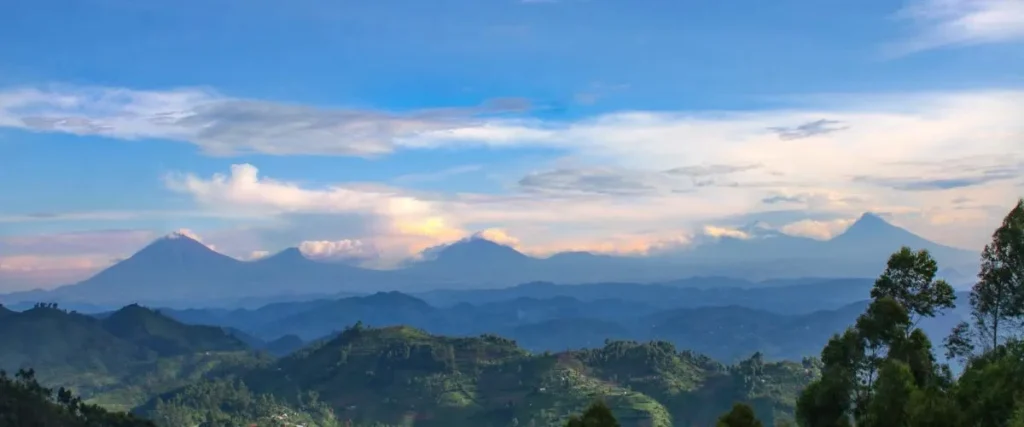
Nkuringo Cultural Center is set within the highland villages surrounding the Nkuringo trailhead. The area sits at high altitude, with cool temperatures, terraced hillsides, and sweeping views toward the Virunga Volcanoes. This landscape influences local livelihoods, architecture, and farming methods, all of which are reflected in the cultural experiences offered at the center.
The surrounding community is predominantly made up of Bakiga households, whose culture is closely tied to agriculture, land stewardship, and extended family structures. Visiting the cultural center provides context for how people have adapted to steep terrain and conservation restrictions while maintaining strong cultural identity.
Cultural Experiences and Activities
Experiences at Nkuringo Cultural Center focus on storytelling, demonstration, and participation rather than staged entertainment. Visitors are introduced to traditional music and dance that reflect historical celebrations, harvest rituals, and community gatherings. These performances are led by local residents and explained in context, helping visitors understand their meaning rather than viewing them as spectacle.
The center also showcases traditional skills such as food preparation, use of medicinal plants, and local crafts. Visitors may observe how staple foods are prepared, learn about traditional farming tools, or hear oral histories passed down through generations. These interactions encourage dialogue and mutual understanding rather than passive observation.
Batwa Cultural Representation
The Nkuringo Cultural Center also plays a role in representing Batwa cultural heritage, acknowledging the forest’s original inhabitants. Batwa cultural elements are presented through storytelling, songs, and explanations of forest-based knowledge, offering insight into life before Bwindi became a national park.
These experiences are delivered with sensitivity and respect, emphasizing education and cultural preservation. The focus remains on dignity and authenticity, allowing Batwa voices to be heard within a broader community context.
Conservation and Education Role
Beyond culture, the Nkuringo Cultural Center serves as an educational platform for conservation awareness. Guides explain how gorilla tourism supports forest protection, ranger programs, and community development. Visitors learn how conservation policies affect daily life and how communities have adapted through alternative livelihoods linked to tourism.
This educational aspect reinforces the connection between culture and conservation. By understanding the human side of wildlife protection, visitors gain a deeper appreciation for responsible tourism and the shared responsibility of protecting Bwindi’s ecosystem.
Community Benefits and Livelihood Support
The Nkuringo Cultural Center is managed by local community groups, ensuring that income generated stays within the area. Funds support household incomes, education initiatives, healthcare access, and community projects. Participation in cultural activities provides employment opportunities for performers, guides, artisans, and coordinators.
This model reduces reliance on forest resources and strengthens community support for conservation. By linking cultural pride with economic benefit, the center helps ensure long-term sustainability for both people and wildlife.
Accommodation Links and Visitor Experience
Many visitors combine a visit to the Nkuringo Cultural Center with stays at nearby lodges that actively support community tourism. Clouds Mountain Gorilla Lodge works closely with local communities through employment and cultural initiatives, making the center a natural extension of the lodge experience.
Another strong partner is Nkuringo Bwindi Gorilla Lodge, which encourages guests to engage with community activities as part of a balanced gorilla trekking itinerary. Staying at these lodges enhances the impact of visiting the cultural center by reinforcing local economic links.
Responsible Visitor Conduct
Visitors to Nkuringo Cultural Center are encouraged to approach the experience with respect and openness. Modest dress, polite greetings, and asking permission before photography are essential. Engagement is conversational rather than transactional, and visitors are encouraged to listen as much as they speak.
The emphasis is on shared learning rather than charity. Supporting the center through participation ensures benefits are fairly distributed and culturally appropriate.
Why Visit Nkuringo Cultural Center
The Nkuringo Cultural Center adds depth and perspective to a gorilla safari. It reminds visitors that Bwindi is not only a wildlife sanctuary but also a lived landscape shaped by human history, adaptation, and resilience. The experience complements gorilla trekking by grounding conservation in real human stories.
For travelers seeking meaningful engagement beyond wildlife, the center offers authenticity, insight, and a stronger connection to place.
Plan Your Safari
Including a visit to Nkuringo Cultural Center enriches any southern Bwindi itinerary. Scheduling it before or after gorilla trekking allows time to reflect on the broader context of conservation and community life. When approached thoughtfully, the Nkuringo Cultural Center transforms a safari into a shared journey of understanding and respect.