Uganda Gorilla Trekking in the Rain: What to Expect and How to Prepare
Rain changes the entire rhythm of gorilla trekking in Uganda. The forest becomes greener, quieter, and more alive, but also more challenging to navigate. Many travelers hesitate to visit during wet months, yet this season offers real advantages. This guide explains everything about gorilla trekking rainy season Uganda, so you know exactly what to expect and how to prepare.
When the Rainy Season Happens in Uganda
Uganda experiences two main rainy seasons each year. The long rains run from March to May, while the short rains occur from October to November.
During these months, Bwindi Impenetrable National Park and Mgahinga Gorilla National Park receive frequent showers. Rain may fall in the morning, afternoon, or both, and conditions can shift quickly within the forest.
What the Forest Feels Like During Rainy Season
Dense, Lush Vegetation
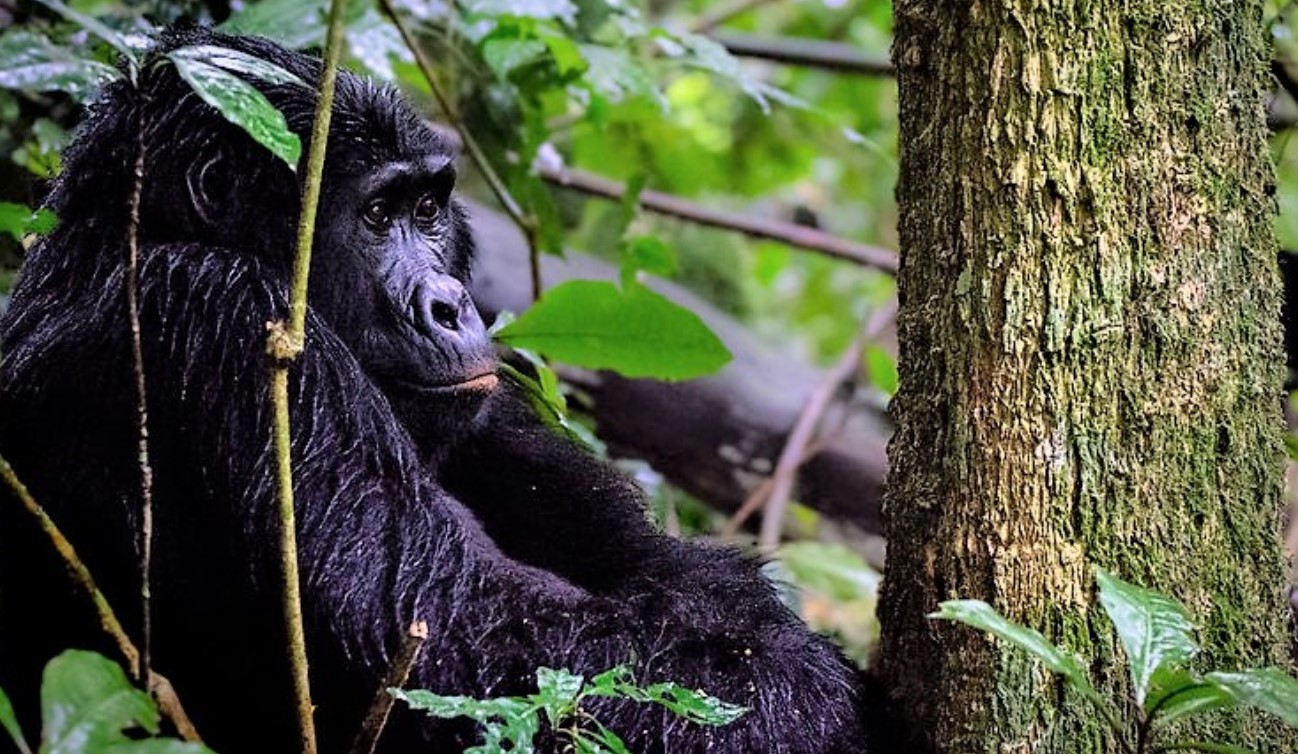
Rain transforms the forest into a deep green environment. Vegetation grows thicker, and the landscape feels more vibrant. This creates a more immersive trekking experience, with fresh scents and rich natural sounds.
Cooler Temperatures
Cloud cover and rainfall reduce heat, which makes trekking more comfortable compared to dry months. You will not deal with intense sun, but humidity still remains high.
Quieter Trails
Fewer travelers visit during rainy months. This results in smaller trekking groups and a more private experience in the forest.
Trekking Conditions in the Rain
Slippery and Muddy Trails
Rain makes trails wet and slippery. Steep sections become more difficult, especially in Bwindi’s rugged terrain. Good footing becomes essential throughout the trek.
Slower Trekking Pace
Rangers adjust the pace to match conditions. You will move more carefully, especially on steep slopes and muddy paths. Treks may take longer due to cautious movement.
Increased Physical Effort
Walking in mud and wet vegetation requires more energy. Each step demands attention, which can increase fatigue over time.
Gorilla Behavior During Rainy Season
Gorillas Stay Active
Gorillas do not hide from rain. They continue feeding, moving, and interacting within their families. This means your chances of seeing them remain high.
Shorter Trekking Distances
Food becomes abundant during rainy months. Gorillas often stay closer to their previous locations because they do not need to travel far to find food. This can reduce trekking time in some cases.
Calm and Natural Encounters
Rain often creates quieter surroundings. This allows more peaceful observation, with fewer distractions from other groups.
Advantages of Gorilla Trekking in Rainy Season
Better Permit Availability
Demand drops during rainy months, which makes it easier to secure permits even on shorter notice.
Lower Overall Travel Costs
Many lodges reduce rates during the low season. This allows you to experience high-quality accommodation at better value.
Fewer Crowds
You share the forest with fewer visitors. This creates a more personal and relaxed trekking experience.
Rich Photography Opportunities
The forest looks vibrant and dramatic after rain. Mist, deep greens, and soft lighting create unique photography conditions.
Challenges You Should Prepare For
Constant Wet Conditions
Clothing, boots, and gear may get wet during the trek. Without proper preparation, this can affect your comfort.
Limited Visibility at Times
Fog and rain can reduce visibility, especially in higher altitudes like Ruhija and Nkuringo.
Tough Terrain
Mud, steep slopes, and dense vegetation require focus and physical effort. The trek can feel more demanding compared to dry season.
What to Wear for Gorilla Trekking in the Rain
Waterproof Jacket and Layers
A strong waterproof jacket keeps you dry during heavy showers. Wear light layers underneath so you can adjust to changing temperatures.
Quick-Dry Clothing
Choose materials that dry quickly. Cotton absorbs water and stays wet, which creates discomfort.
Waterproof Hiking Boots
Boots with strong grip and waterproof lining help you move safely on muddy trails. Good ankle support remains essential.
Gaiters
Gaiters prevent mud and water from entering your boots. They also protect against insects and wet vegetation.
Gloves
Gloves protect your hands when you hold onto branches and vines. Wet vegetation can make surfaces slippery.
Essential Gear for Rainy Season Trekking
Waterproof Backpack Cover
Rain can soak your bag quickly. A waterproof cover keeps your belongings dry.
Dry Bags
Store electronics, documents, and spare clothing in dry bags. This protects them from moisture.
Extra Socks
Carry an extra pair of socks in case your feet get wet. Changing into dry socks improves comfort during or after the trek.
Walking Stick
A walking stick provides balance on slippery ground. It helps you move safely through steep sections.
Packing Tips for Gorilla Trekking Rainy Season Uganda
Prioritize Waterproof Protection
Rain will reach your gear at some point during the trek. Use multiple layers of protection such as backpack covers, dry bags, and waterproof clothing. This ensures your essentials remain usable even after hours in wet conditions.
Keep Spare Items Accessible
Store extra socks, gloves, or a light layer in an easy-to-reach section of your bag. When conditions change, quick access allows you to adjust without stopping for long.
Balance Your Backpack Weight
Wet conditions already make trekking more demanding. A heavy backpack adds unnecessary strain. Pack only what you need and distribute weight evenly to maintain stability on slippery trails.
Test Your Gear Before the Trek
Do not wait until the trek to try your waterproof gear. Test jackets, boots, and covers beforehand to ensure they perform well in rain. This prevents surprises in the forest.
Prepare for Mud, Not Just Rain
Many travelers focus only on rainfall, but mud creates the bigger challenge. Choose gear that handles slippery terrain and protects your lower body effectively.
Is Rainy Season Gorilla Trekking Worth It?
Rainy season trekking offers a different kind of experience. It feels more raw, more natural, and less crowded. You trade easier trails for richer scenery and better availability.
Travelers who prepare properly often find this season more rewarding than expected. The forest feels alive, and the gorilla encounter remains just as powerful.
Plan Your Gorilla Trekking Safari
Rain should not stop you from experiencing gorilla trekking in Uganda. With the right preparation and mindset, you can enjoy a unique and memorable safari even in wet conditions.
Let us help you plan a seamless and rewarding gorilla trekking experience in Uganda, or book with us.