What Happens If You Don’t See Gorillas on Your Trek? The Real Answer
Many travelers hesitate before booking because they wonder what happens if the trek ends without seeing gorillas. It feels like a big risk, especially after investing in a permit and travel. The reality looks very different on the ground. This guide explains what if you don’t see gorillas trekking, how the tracking system works, and what you should realistically expect during your day in the forest.
How Likely Is It to Miss Seeing Gorillas?
The chance of missing gorillas in Uganda remains extremely low. Gorilla trekking does not rely on chance encounters. It follows a well-organized tracking system that begins long before visitors enter the forest.
Tracking teams head out early in the morning and locate each habituated gorilla family before trekking groups arrive. By the time you start walking, rangers already have a strong idea of where your assigned group is moving. This gives you a very high probability of seeing gorillas, often above 95%.
Most trekkers find their gorilla family, even if the trek takes longer than expected or requires extra effort.
How Gorilla Tracking Works Behind the Scenes
Early Morning Tracking Teams
Before sunrise, experienced trackers enter the forest to locate gorilla families. They read fresh signs such as nests, broken vegetation, and feeding trails. These clues help them understand where the gorillas moved overnight and where they are likely heading.
Constant Communication with Rangers
Trackers stay in contact with ranger guides through radio communication. As your group moves through the forest, rangers receive updates and adjust your route accordingly. This system removes guesswork and keeps the trek focused.
Guided Movement Toward the Gorillas
Your ranger does not lead you randomly. Every step follows updated information from trackers. This increases efficiency and ensures that even longer treks remain purposeful.
Situations That Could Lead to Not Seeing Gorillas
Extreme Weather Conditions
Heavy rain can slow down movement and reduce visibility in the forest. Trails become slippery, and progress becomes slower. However, gorillas remain active even in rain, so weather alone rarely prevents sightings completely.
Unusual Gorilla Movement
Gorillas move freely and may travel further than expected on certain days. When this happens, trackers need more time to locate them, and your trek may become longer and more demanding.
Time and Safety Limits
In rare situations, if the trek extends too long or conditions become unsafe, rangers may decide to stop the trek. This decision prioritizes your safety and the well-being of the group.
What Uganda Wildlife Authority Does If You Don’t See Gorillas
Possibility of a Second Trek
If your group fails to see gorillas, Uganda Wildlife Authority may offer another trekking opportunity on the next available day. This depends on permit availability and operational conditions.
Partial Refund Consideration
Authorities may review your case for a partial refund, especially if the situation falls outside normal trekking challenges. This does not happen automatically and depends on specific circumstances.
Individual Case Assessment
Each situation receives careful review. Rangers report what happened, and park authorities decide the appropriate response based on the conditions of that day.
What Actually Happens Most of the Time
Even when gorillas move far, rangers rarely stop tracking early. They continue following updates until they locate the group. This can extend your trekking time, but it often leads to a successful encounter.
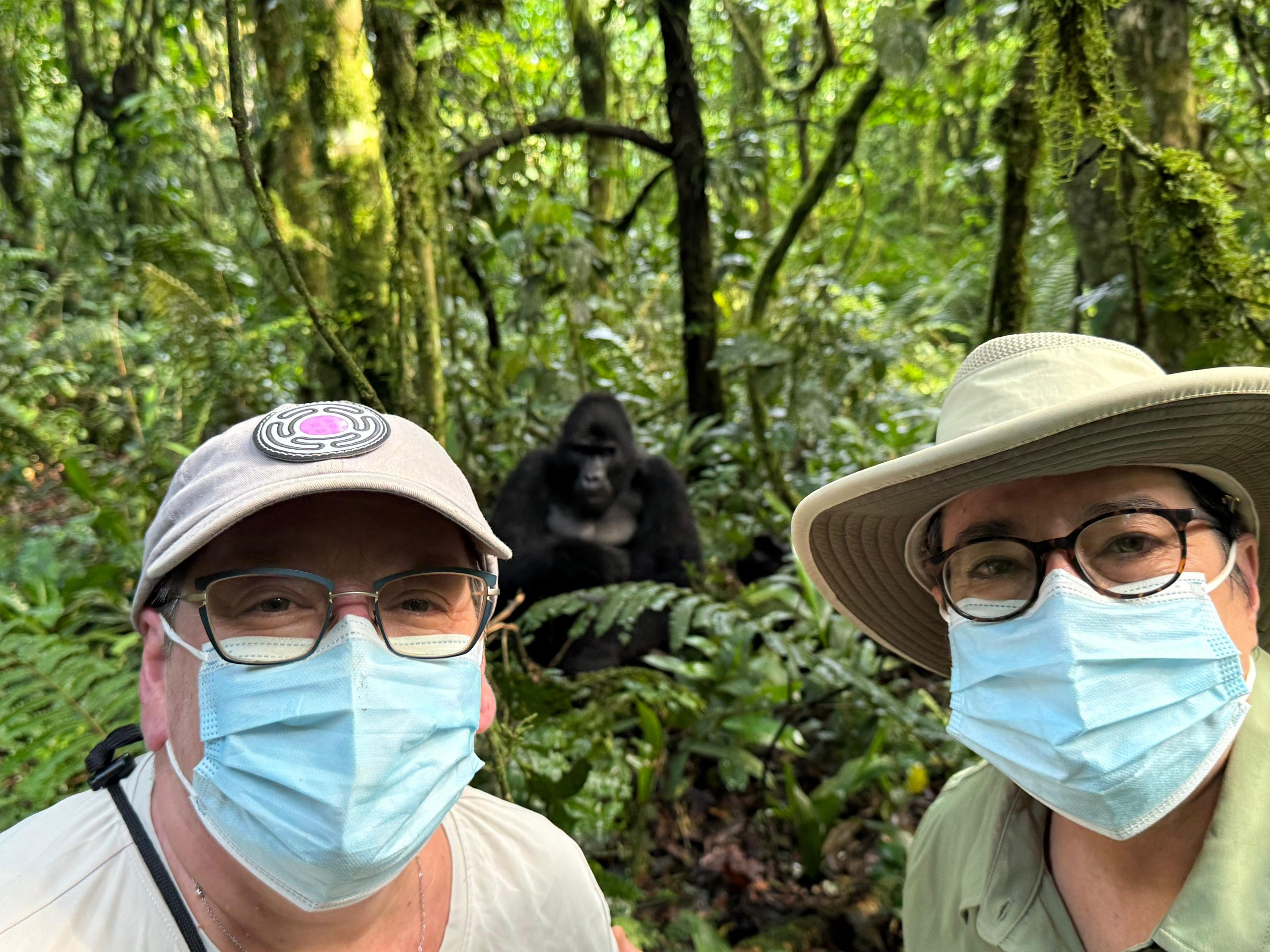
Many travelers start the trek with doubts but end the day standing just a few meters away from a gorilla family. The system works consistently, which explains the high success rate.
How to Increase Your Chances of Seeing Gorillas
Start the Day Fully Prepared
Arrive early, attend the briefing carefully, and follow ranger instructions from the beginning. A well-prepared group moves faster and responds better to changing directions in the forest.
Choose the Right Sector
Sectors like Rushaga, which host more gorilla families, offer slightly more flexibility in tracking. This does not guarantee easier treks, but it can improve overall chances.
Maintain Good Physical Condition
Better fitness helps you keep pace with the group, especially when the trek becomes longer. The ability to continue without exhaustion plays an important role in reaching the gorillas.
Hire a Porter
Porters do more than carry bags. They support you on steep or slippery sections, which allows you to move more confidently and maintain steady progress.
What to Expect Emotionally During the Trek
Before the trek, most travelers focus on the fear of missing the gorillas. Once you enter the forest, your attention shifts to the journey itself. The sounds, the movement, and the anticipation build gradually.
When you finally reach the gorillas, that uncertainty disappears instantly. The moment feels intense, quiet, and deeply personal. The effort and waiting become part of what makes the experience meaningful.
Is Gorilla Trekking Still Worth It Despite the Risk?
Yes, it remains one of the most reliable wildlife experiences in Africa. The structured tracking system, experienced rangers, and conservation approach ensure that sightings happen consistently.
Even in the rare case where you do not see gorillas, authorities take steps to offer alternatives. The overall experience still delivers strong value and unforgettable memories.
Plan Your Gorilla Trekking Safari
The possibility of missing gorillas should not hold you back. With expert tracking systems and high success rates, your chances of seeing them remain extremely strong.
Let us help you plan a seamless and rewarding gorilla trekking experience in Uganda, or book with us.