Uganda Gorilla Trekking: Group Size and Crowd Management
Gorilla trekking in Uganda feels exclusive, controlled, and surprisingly intimate despite global demand. Strict rules guide how many people can visit each gorilla family and how groups move within the forest. These systems protect the gorillas while ensuring a high-quality visitor experience. This guide explains everything about gorilla trekking group size Uganda, including how groups form, how crowds stay controlled, and what you can expect on the ground.
How Many People Are Allowed per Gorilla Group
Uganda Wildlife Authority limits each habituated gorilla family to a maximum of 8 visitors per day. This rule applies across Bwindi Impenetrable National Park and Mgahinga Gorilla National Park.
This small group size creates a quiet and respectful environment. You do not compete with large crowds, and you get clear views of the gorillas without pressure or noise.
Why Gorilla Trekking Groups Stay Small
The small group system serves both conservation and experience.
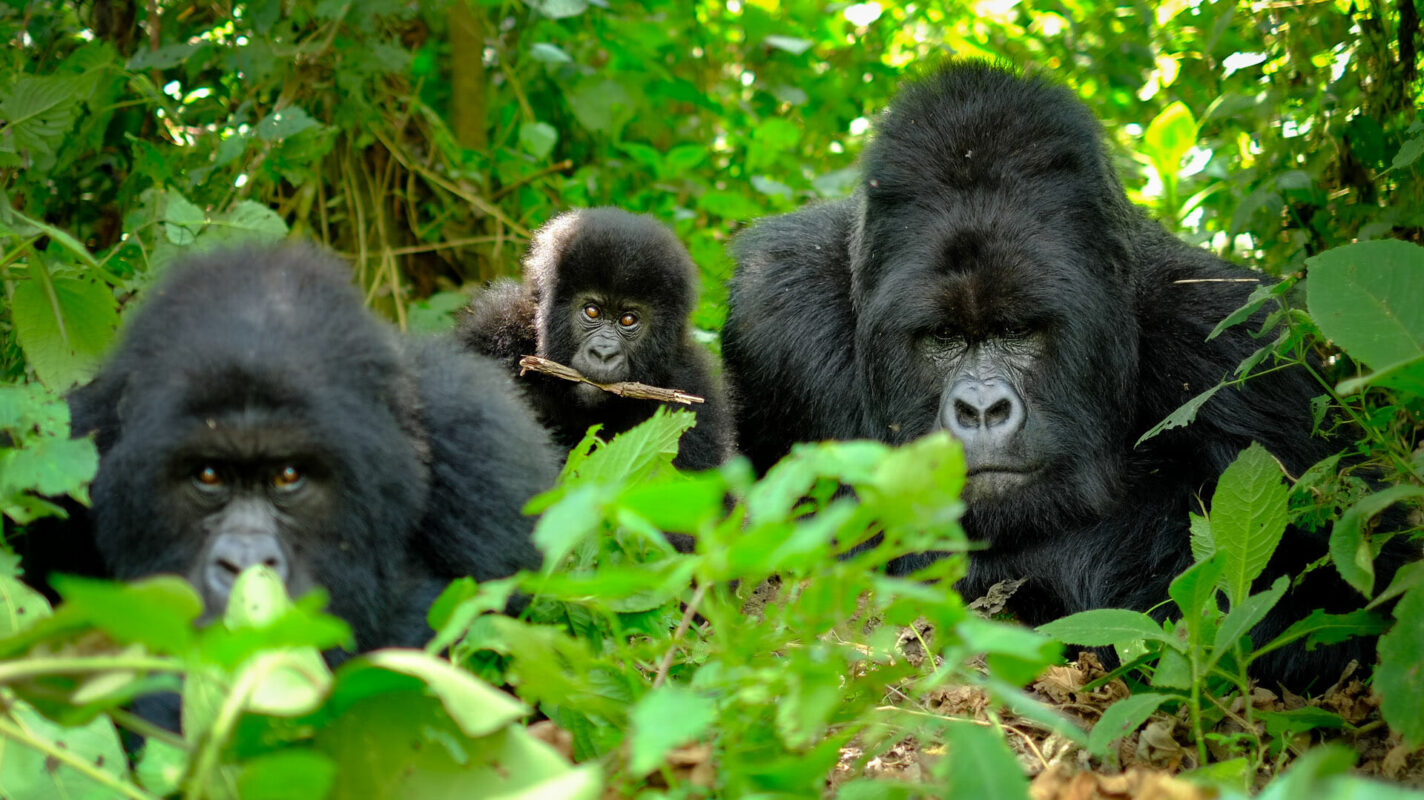
Gorillas share close genetic similarities with humans, which makes them vulnerable to human diseases. Limiting the number of visitors reduces the risk of transmission and stress.
At the same time, fewer people create a more personal and immersive encounter. You can observe behavior without distraction and feel fully present in the moment.
How Many Gorilla Trekking Permits Are Available Daily
The number of permits depends on how many habituated gorilla families exist in each park.
Bwindi hosts over 20 habituated groups, which allows roughly 160 permits per day. Mgahinga offers fewer permits due to having only one gorilla family.
Although the total number may seem large, permits spread across sectors, which prevents crowding in any single location.
How Trekking Groups Are Formed
Morning Briefing and Allocation
Each trekking day begins with a briefing at the park headquarters. Rangers organize visitors into groups of up to 8 people.
They consider factors such as fitness level, age, and preferences. This helps match you with a group that suits your pace and comfort.
Assigned Gorilla Families
Each group receives a specific gorilla family to track. You do not mix with other groups during the trek, which keeps the experience controlled and organized.
What the Experience Feels Like in a Small Group
Walking through the forest with a small group feels quiet and focused. Conversations remain minimal, and attention stays on the environment and tracking process.
When you reach the gorillas, the group spreads out under ranger guidance. This ensures everyone has space to observe without crowding.
You will notice how calm the environment feels. There is no rush, no noise, and no pressure to compete for views.
Crowd Management in Bwindi and Mgahinga
Separation of Trekking Sectors
Bwindi divides into four sectors—Buhoma, Ruhija, Rushaga, and Nkuringo. Each sector operates independently with its own gorilla families.
This separation spreads visitors across different areas and prevents overcrowding in one location.
Controlled Movement in the Forest
Rangers coordinate all trekking groups and track movements in real time. Groups do not overlap or approach the same gorilla family.
This system ensures each group enjoys a private encounter.
Limited Time with Gorillas
Visitors spend only one hour with the gorillas. This rule reduces stress on the animals and allows daily rotation without overwhelming them.
Does Gorilla Trekking Ever Feel Crowded?
In practice, gorilla trekking rarely feels crowded. Even during peak seasons, the structure of permits and group allocation prevents congestion.
You may see other groups at the park headquarters, but once you enter the forest, your experience remains separate and private.
The only people you interact with during the trek are your assigned group, rangers, and trackers.
How Group Size Affects Your Experience
Better Viewing Opportunities
With only a few people present, you can move slightly within your assigned space and observe from different angles.
Stronger Connection with the Environment
Smaller groups create a quieter atmosphere. This allows you to hear forest sounds, observe subtle movements, and feel more connected to the surroundings.
Less Pressure During Photography
You do not need to compete for space. Everyone gets a chance to take photos and enjoy the moment.
Tips to Enjoy the Small Group Experience Fully
Stay Engaged with the Group
Although the group remains small, staying attentive and cooperative helps the experience run smoothly.
Follow Ranger Positioning
Rangers guide where you stand and how you move. This ensures everyone gets a clear view without disturbing the gorillas.
Be Patient and Observant
The quiet environment allows you to notice details such as grooming, feeding, and subtle interactions within the group.
Why Uganda’s System Works So Well
Uganda’s approach balances conservation with tourism. The strict limit on group size protects gorillas while maintaining a high-quality visitor experience.
This system has helped sustain gorilla populations and keeps the trekking experience one of the most exclusive wildlife encounters in the world.
Plan Your Gorilla Trekking Safari
Understanding gorilla trekking group size Uganda helps you set the right expectations. You will not face crowds or chaos, but instead enjoy a controlled and intimate experience.
Let us help you plan a seamless and rewarding gorilla trekking experience in Uganda, or book with us.