Do Mountain Gorillas Charge at Tourists?
A common concern among first-time trekkers is do mountain gorillas charge tourists during encounters in Uganda or Rwanda. The idea can sound intimidating, especially when imagining close proximity to large, powerful primates. However, real experiences on the ground tell a much more controlled and reassuring story.
Mountain gorillas are generally calm, non-aggressive animals, and actual dangerous charges toward tourists are extremely rare. What visitors may occasionally witness are controlled displays—often misunderstood—that are part of natural gorilla communication rather than true attacks.
Understanding Gorilla Temperament
Naturally Gentle and Social Animals
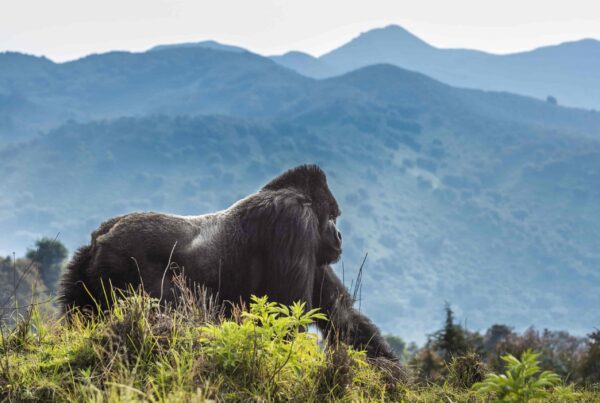
Mountain gorillas are known as “gentle giants” for a reason. They live in stable family groups led by a dominant silverback and spend most of their day feeding, resting, and interacting peacefully.
When asking do mountain gorillas charge tourists, it is important to understand that gorillas do not see humans as prey. Their behavior is defensive, not predatory.
Habituation Reduces Aggression
The gorilla families visited during trekking are habituated over several years. This process helps them become comfortable with human presence without feeling threatened.
Because of this, gorillas typically ignore visitors and continue their normal activities.
What People Mistake for a “Charge”
Bluff Charges Explained
The most common source of fear comes from what is known as a bluff charge. This is a short, controlled movement—often by the silverback—intended to assert dominance or warn.
It may include:
- Chest beating
- Loud vocalizations
- Short forward movement
However, these displays usually stop quickly and do not result in physical contact.
Why Bluff Charges Happen
Bluff charges occur when a gorilla feels its group needs protection or when there is a sudden disturbance. It is a communication tool, not an attack.
In the context of do mountain gorillas charge tourists, these moments are rare and carefully managed by experienced rangers.
The Role of the Silverback
Protector of the Group
The silverback’s primary role is to protect his family. He monitors all movement, including that of visitors.
If he senses anything unusual, he may display dominance behavior to re-establish control.
Controlled and Predictable Behavior
Even during displays, silverbacks are highly controlled. They are not acting randomly but responding to perceived changes in their environment.
Rangers understand these signals and guide visitors accordingly.
How Rangers Prevent Risk
Pre-Trek Briefings
Before every trek, visitors receive detailed instructions on how to behave around gorillas. This includes maintaining distance, avoiding sudden movements, and staying calm.
Continuous Monitoring
Trackers and rangers observe gorilla behavior at all times. They position visitors in safe areas and adjust positioning as needed.
Immediate Guidance During Encounters
If a gorilla shows signs of discomfort, rangers will calmly instruct visitors on what to do, such as lowering their gaze or stepping back slowly.
These measures are central to answering do mountain gorillas charge tourists, as they ensure that encounters remain safe and controlled.
What to Do if a Gorilla Moves Toward You
Stay Calm and Avoid Panic
Running or making sudden movements can escalate the situation. Remaining still shows that you are not a threat.
Avoid Direct Eye Contact
Direct eye contact can be interpreted as a challenge. Looking slightly downward signals respect and non-aggression.
Follow Ranger Instructions Exactly
Your guide will read the situation and provide clear directions. Trust their experience.
Why Actual Attacks Are Extremely Rare
Strict Visitor Limits
Only eight visitors are allowed per gorilla family per day. This reduces stress and overcrowding.
Time Restrictions
Encounters are limited to one hour, minimizing prolonged exposure.
Conservation-Driven Management
Gorilla trekking is built around conservation, not mass tourism. Every aspect is designed to protect both gorillas and visitors.
Because of this structure, true aggressive incidents are almost unheard of.
Real Experience During a Trek
Calm and Peaceful Interactions
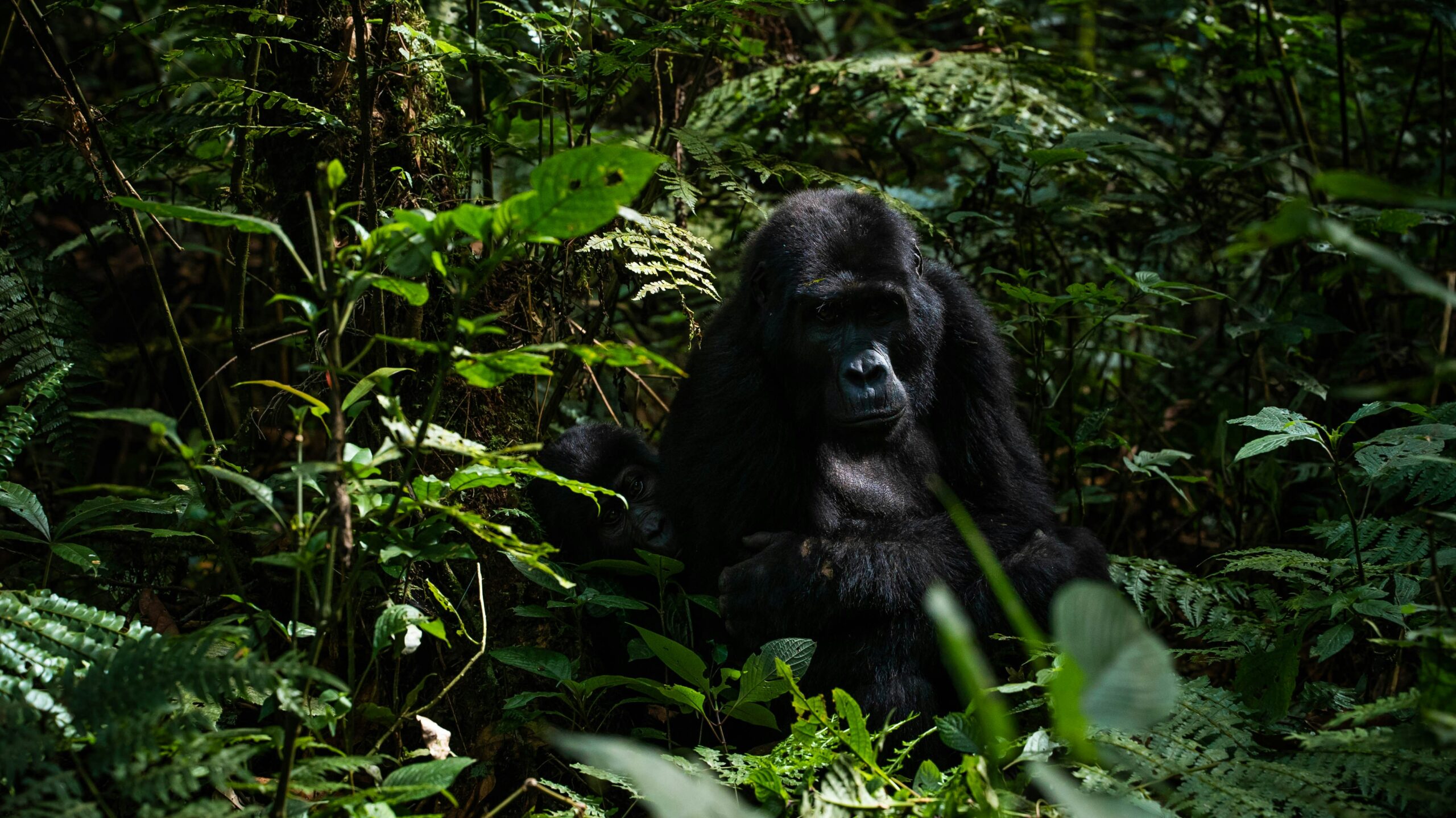
Most trekkers describe the experience as quiet, intimate, and deeply moving. Gorillas often continue feeding, grooming, or resting without reacting strongly to human presence.
Occasional Close Encounters
In some cases, gorillas—especially juveniles—may move closer out of curiosity. These moments are carefully managed and are not signs of aggression.
Final Answer: Do Mountain Gorillas Charge Tourists?
A Clear Perspective
So, do mountain gorillas charge tourists? In practical terms, no—dangerous charges are extremely rare. What may occur are brief, controlled displays that are part of natural gorilla behavior, not attacks.
With proper guidance, strict rules, and experienced rangers, gorilla trekking remains one of the safest wildlife encounters in Africa.
Plan Your Safari
Understanding gorilla behavior removes fear and replaces it with respect. When you follow guidelines and trust your guides, your encounter becomes safe, meaningful, and unforgettable.