Mountain Gorilla Conservation: How Tourism Helps
Mountain gorillas are one of the world’s most remarkable conservation success stories, and tourism has played a central role in that recovery. Understanding gorilla conservation tourism reveals how carefully managed travel in Uganda, Rwanda, and the wider Virunga ecosystem directly supports wildlife protection, community development, and long-term sustainability.
Rather than harming gorillas, regulated tourism has become one of the strongest tools for ensuring their survival in increasingly pressured environments.
The Link Between Tourism and Conservation
Tourism as a Conservation Engine
Gorilla trekking is not mass tourism—it is a controlled, high-value conservation model. Visitors pay premium permit fees to access a limited number of habituated gorilla families, and this revenue feeds directly into conservation systems.
In Uganda, gorilla permits cost around USD 800, while Rwanda charges USD 1,500. These fees are intentionally high to limit visitor numbers and maximize conservation funding.
This model sits at the heart of gorilla conservation tourism, where fewer visitors generate higher value and lower ecological impact.
Funding Protection on the Ground
Permit revenue supports ranger patrols, anti-poaching units, intelligence networks, and forest monitoring. Rangers operate daily in remote terrain to protect gorillas from illegal activities such as snares, logging, and encroachment.
Tourism ensures these operations are continuous and well-funded, creating a stable protection system.
Direct Impact on Gorilla Survival
Population Growth and Stability
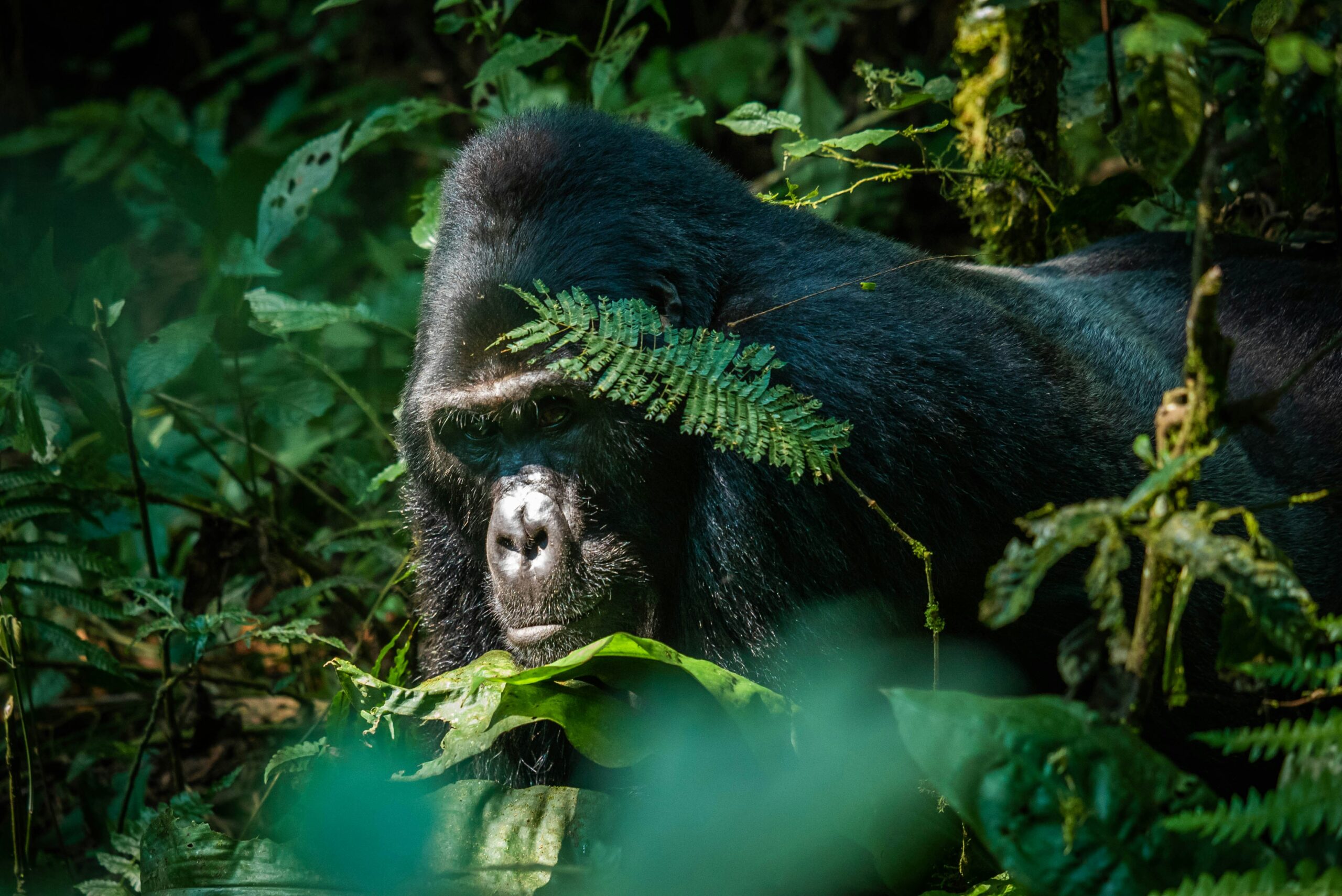
Mountain gorillas are among the few endangered species whose population is increasing. Their numbers have risen to over 1,000 individuals across Uganda, Rwanda, and the Democratic Republic of Congo.
This growth reflects decades of coordinated conservation supported by tourism revenue. When evaluating gorilla conservation tourism, this measurable recovery is one of the strongest indicators of success.
Continuous Monitoring and Research
Tourism supports long-term scientific research. Gorilla groups are monitored regularly, allowing conservationists to track health, behavior, and population trends.
This data-driven approach improves conservation strategies and ensures quick response to emerging threats.
Community Benefits and Local Support
Revenue Sharing with Communities
A portion of gorilla permit fees is shared with communities living near protected areas. In Uganda, this revenue supports projects such as schools, clinics, water systems, and road infrastructure.
This creates a direct connection between conservation success and community well-being.
Reducing Human-Wildlife Conflict
When communities benefit from tourism, they are more likely to support conservation efforts. This reduces activities like poaching and forest clearing.
Instead of viewing gorillas as a threat or resource, communities see them as valuable assets worth protecting.
Employment and Economic Growth
Gorilla tourism creates jobs across multiple sectors, including guiding, hospitality, transport, and conservation work. Porters, in particular, provide essential support during treks and earn income that supports their families.
This economic network is a key pillar of gorilla conservation tourism.
Strict Regulations That Protect Gorillas
Limited Visitor Numbers
Only eight visitors are allowed per gorilla family per day. This minimizes stress and reduces exposure to human presence.
Controlled Interaction Time
Visitors spend only one hour with the gorillas. This ensures minimal disruption to their natural behavior.
Health and Safety Measures
Visitors must maintain a minimum distance of 7 meters and are not allowed to trek when sick. These measures reduce the risk of disease transmission.
These regulations ensure that tourism remains sustainable and aligned with conservation goals.
Anti-Poaching and Habitat Protection
Active Patrols and Surveillance
Tourism revenue funds anti-poaching patrols that remove snares, monitor illegal activities, and protect gorilla habitats.
Rangers often risk their lives to ensure the safety of these animals.
Protecting Forest Ecosystems
Gorillas depend on intact forest ecosystems. Tourism-driven conservation helps protect not just gorillas but also other wildlife species and biodiversity within these habitats.
The Role of Habituation in Conservation
Controlled Access to Gorilla Families
Only a limited number of gorilla families are habituated for tourism. The process takes years and is carefully managed by experts.
Habituation allows safe viewing while ensuring that most gorilla groups remain completely wild and undisturbed.
Balancing Access and Protection
This balance is essential to gorilla conservation tourism. It ensures that tourism benefits do not come at the expense of the species.
What Happens Without Tourism?
Decline in Conservation Funding
Without tourism, conservation agencies would lose a major source of funding. This could weaken protection efforts and increase threats such as poaching and habitat loss.
Increased Pressure on Forest Resources
Communities without tourism income may rely more heavily on forest resources, leading to deforestation and habitat degradation.
Tourism helps prevent this by providing alternative livelihoods.
Challenges Within Gorilla Conservation Tourism
Disease Risk Management
Despite strict rules, the risk of disease transmission remains a concern. Continuous improvement in health protocols is essential.
Balancing Growth and Sustainability
As demand for gorilla trekking increases, maintaining strict limits is critical to avoid overexposure.
Ensuring Fair Revenue Distribution
Effective management is needed to ensure that tourism benefits reach local communities and support long-term conservation goals.
The Future of Gorilla Conservation
Strengthening Sustainable Tourism Models
The success of mountain gorilla conservation offers a model for other wildlife conservation efforts. It demonstrates how tourism, when properly managed, can support both biodiversity and human development.
Continued Collaboration
Governments, conservation organizations, local communities, and tour operators must continue working together to maintain and improve this system.
Plan Your Safari
Choosing gorilla trekking means contributing directly to conservation. By participating in gorilla conservation tourism, you support wildlife protection, empower local communities, and help secure the future of mountain gorillas.