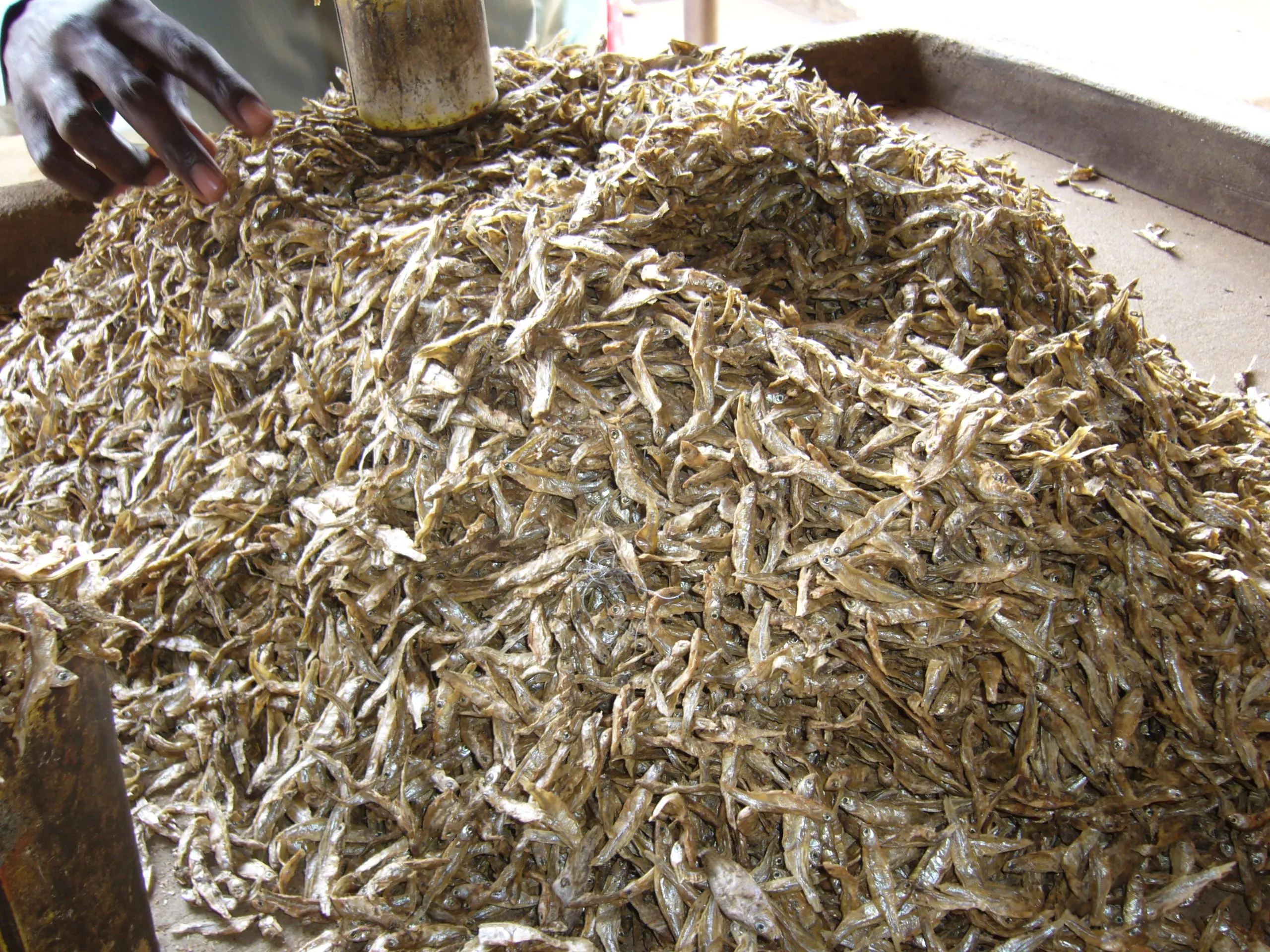
Mukene: Uganda’s Small Fish with Big Cultural and Nutritional Value
Mukene is one of Uganda’s most widely consumed and culturally significant fish products. Though small in size, this silver-like fish carries deep importance in local diets, trade, and traditional food systems across East Africa. Found mainly in Lake Victoria and other freshwater bodies, mukene supports both rural livelihoods and urban markets. Its value lies not only in its accessibility but also in its dense nutritional profile and versatility in cooking.
What Is Mukene?
Mukene refers to a tiny freshwater fish species scientifically known as Rastrineobola argentea. It belongs to the cyprinid family and thrives in large lakes, especially Lake Victoria. The fish is often called “silverfish” due to its shiny appearance, though it differs from marine silverfish species.
This fish forms large schools near the water surface, which makes harvesting efficient. Fishermen use fine nets and light attraction methods at night to capture mukene in large quantities. Once caught, it is usually sun-dried to preserve it for transport and long-term use.
Distribution and Habitat
Mukene is most abundant in Lake Victoria, which spans Uganda, Kenya, and Tanzania. It also appears in smaller numbers in lakes Kyoga, Albert, and Nabugabo. The fish prefers warm, shallow waters with plenty of plankton, which forms its primary diet.
Because mukene reproduces quickly, it maintains stable populations even with high fishing demand. This makes it one of the most sustainable fish resources in the region when managed properly.
Nutritional Value of Mukene
Mukene stands out as a nutrient-dense food. It is especially important in regions where access to diverse protein sources is limited.
It contains high levels of protein, which supports muscle growth and body repair. It also provides essential amino acids that the body cannot produce on its own. Unlike larger fish, mukene is often eaten whole. This means people consume the bones, head, and organs, which supply additional nutrients.
Mukene is rich in calcium, which strengthens bones and teeth. It also contains iron, which supports healthy blood and prevents anemia. Vitamins such as A and B-complex are present in meaningful amounts, supporting vision, immunity, and energy metabolism.
Omega-3 fatty acids are another key benefit. These support heart health and brain function. Because mukene is affordable, it plays a critical role in improving nutrition among low-income households.
Processing and Preservation
After harvest, mukene undergoes a simple but effective preservation process. Fishermen spread the fish on raised racks or clean surfaces under direct sunlight. Drying reduces moisture and prevents spoilage.
This process usually takes one to three days, depending on weather conditions. Proper drying is essential to maintain quality and prevent contamination. In some areas, processors use improved drying methods such as solar dryers. These reduce exposure to dust and pests.
Once dried, mukene becomes lightweight and easy to store. Traders pack it in sacks and transport it to markets across Uganda and neighboring countries.
Culinary Uses of Mukene
Mukene is highly versatile in the kitchen. It adapts to different cooking styles and complements a wide range of local dishes.
One common preparation involves frying the fish with onions and tomatoes. This creates a rich, savory sauce that pairs well with staple foods like posho (maize meal), matooke (steamed bananas), rice, or cassava.
In some households, cooks grind dried mukene into powder. This powder enriches soups, stews, and porridge. It is especially useful for feeding children, as it boosts protein and mineral intake.
Mukene can also be boiled or stewed with groundnut sauce. This method softens the fish and enhances its flavor. In fishing communities, people sometimes eat it fresh, though dried mukene remains the most common form.
Economic Importance
Mukene supports thousands of livelihoods across the Lake Victoria basin. Fishermen, processors, traders, and transporters all depend on this value chain.
Because mukene requires less capital investment than larger fish species, it offers an entry point for small-scale operators. Women play a major role in processing and trading, which strengthens household incomes and community resilience.
Regional trade in mukene extends beyond Uganda. The product reaches markets in Kenya, Tanzania, Rwanda, and even parts of the Democratic Republic of Congo. Its affordability ensures steady demand across different income levels.
Cultural Significance
Mukene holds a strong place in local food culture. It appears in everyday meals and reflects the resourcefulness of communities that rely on lake ecosystems.
In many households, mukene represents a practical solution to food security challenges. It is easy to prepare, stores well, and feeds large families at a low cost. Its presence in both rural and urban diets shows its wide acceptance.
Traditional cooking methods and recipes often pass from one generation to another. This keeps mukene deeply rooted in cultural identity.
Health Considerations
While mukene offers many health benefits, proper handling is important. Poor drying conditions can lead to contamination with dust or harmful microbes. Consumers should buy from trusted sources that maintain hygiene standards.
Washing the fish before cooking helps remove impurities. Cooking it thoroughly ensures safety and improves taste. When processed correctly, mukene remains a safe and nutritious food choice.
Sustainability and Environmental Impact
Mukene fishing is generally considered sustainable due to the species’ fast reproduction rate. However, pressure on lake ecosystems still requires careful management.
Authorities regulate fishing methods and net sizes to prevent overharvesting of immature fish. Environmental conservation efforts also focus on reducing water pollution and protecting breeding areas.
Improved processing techniques, such as raised drying racks and solar dryers, reduce waste and improve product quality. These practices support both environmental health and economic value.
Mukene in Modern Diets
In recent years, mukene has gained attention beyond traditional markets. Nutrition programs promote it as a solution to protein and micronutrient deficiencies. Its affordability makes it suitable for school feeding programs and community nutrition initiatives.
Urban consumers now use mukene in more creative ways. Some incorporate it into sauces, snacks, and even blended food products. This shift reflects a growing appreciation for local, nutrient-rich foods.
Conclusion
Mukene proves that size does not define value. This small fish plays a major role in nutrition, culture, and economic activity across East Africa. It supports livelihoods, strengthens food security, and delivers essential nutrients in an accessible form.
As demand continues to grow, responsible fishing and improved processing will remain key. With the right practices, mukene will continue to serve as a reliable and sustainable food source for generations.