What Makes Kibale Forest National Park Uganda’s Primate Capital
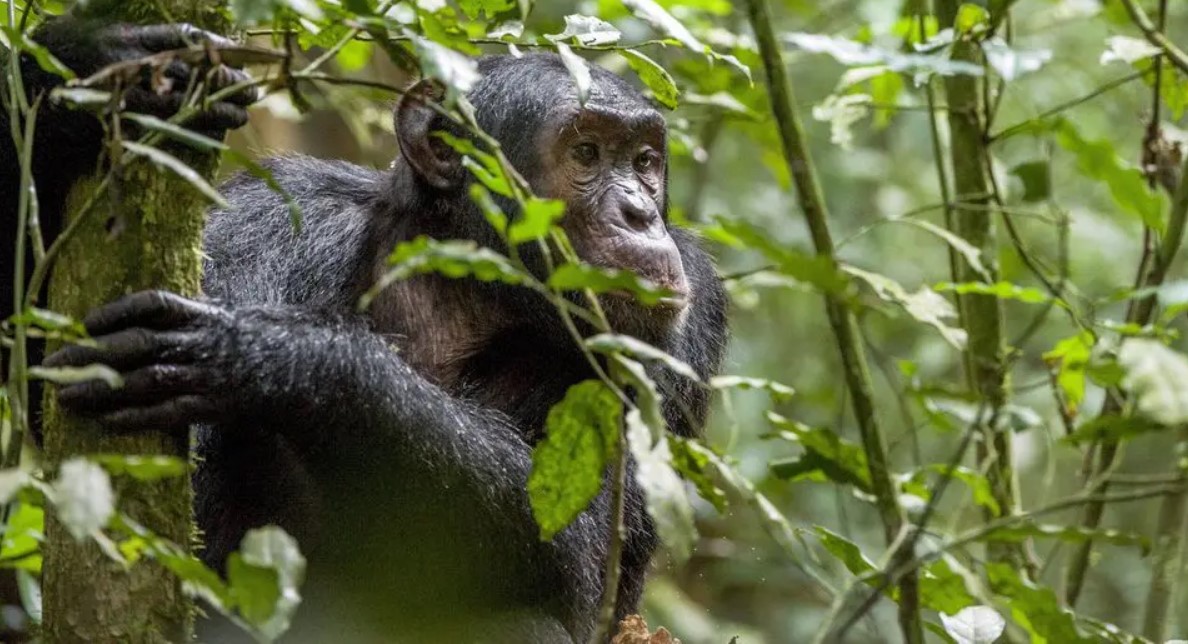
Kibale Forest National Park earns the title of primate capital of Africa. It does so through sheer numbers and diversity. The park protects 766 square kilometres of moist tropical forest in the Albertine Rift. It sits close to the town of Fort Portal in western Uganda. No other forest on the continent packs thirteen primate species into a single accessible park. Scientists estimate Kibale holds one of the highest primate biomass densities ever recorded. That statistic draws primatologists, filmmakers, and wildlife travellers from across the globe.
Uganda Wildlife Authority gazetted Kibale as a national park in 1993. This built on decades of research that began in the 1970s. The late primatologist Dr. Thomas Struhsaker pioneered much of that early work. His legacy means chimp communities here are deeply habituated and thoroughly understood. The park also connects to Queen Elizabeth National Park through the Kyambura Game Reserve corridor. Together they form an enormous protected landscape across southwestern Uganda.
Wildlife Inside Kibale: Beyond the Chimpanzees
Chimpanzees dominate Kibale’s reputation, but the wildlife roster runs far deeper. Thirteen primate species share the forest. These include red-tailed monkeys, olive baboons, and black-and-white colobus. Red colobus and grey-cheeked mangabeys reach their highest world densities here. L’Hoest’s monkeys, blue monkeys, and several nocturnal species round out the list. You can find the nocturnal species only on guided night walks. Researchers from universities on four continents study these primates year-round.
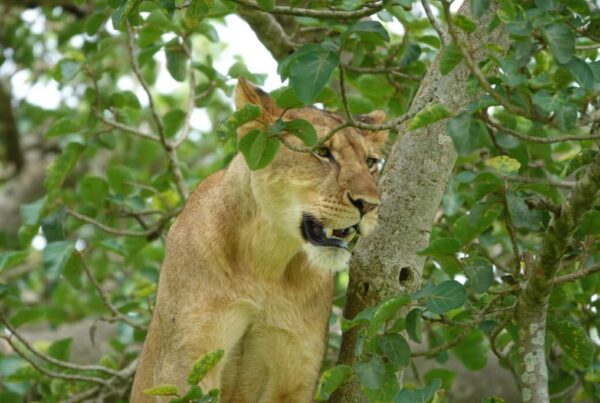
Kibale shelters a healthy population of forest elephants and buffaloes. Dense vegetation means you rarely encounter them on the main chimp trails. Leopards patrol the forest but remain almost entirely nocturnal. Uganda kob and topi graze in open grassland patches near the southern boundary. The reptile and amphibian fauna is equally remarkable. Chameleons, monitor lizards, and dozens of frog species live across the forest floor.
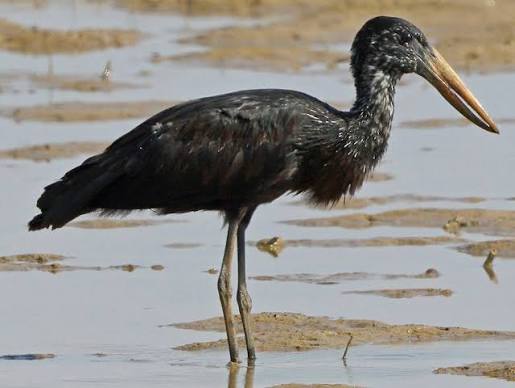
Birdwatchers rank Kibale among Uganda’s top five birding sites. More than 375 species breed or reside within the park. These include the African pitta, Nahan’s francolin, and Cassin’s spinetail. The elusive green-breasted pitta is one of Africa’s most sought-after birds. The forest interior holds several Albertine Rift endemics. These species occur nowhere outside this narrow mountain corridor.
Activities You Can Do in Kibale Forest National Park
Chimpanzee trekking at Kanyanchu Visitor Centre is the signature activity. It draws the majority of the park’s visitors. Morning and afternoon sessions run daily. Each session is capped at eight participants. You get one hour of regulated contact time once rangers locate the target community. The Chimpanzee Habituation Experience extends your forest time to a full day. It follows a community still becoming comfortable around humans. Up to four participants per session experience a rawer, more intimate encounter.
The Bigodi Wetland Sanctuary lies just outside the park’s southern boundary. UWA co-manages it with the local Kibale community association. A two-to-three-hour guided walk typically yields six or more primate species. Dozens of water birds and wetland wildlife add to the experience. The walk costs USD 10 per person. The fee flows directly to local community projects.
Night walks depart from Kanyanchu after dinner. They last approximately two hours. Rangers carry spotlights and lead small groups along forest paths. You search for bush babies, pottos, tree pangolins, and civets. The frog species that call only after dark are a highlight in themselves. The soundscape alone is extraordinary. Guided bird walks and forest hikes round out the activity menu for multi-night visitors.
Kibale Forest National Park Fees and Permit Costs 2026
Uganda Wildlife Authority sets all fees. You can pay through its online portal or at the park gate. The table below reflects the confirmed 2026 fee schedule.
| Activity / Fee | Foreign Non-Resident | Foreign Resident | East African Citizen |
|---|---|---|---|
| Park Entry (per person per day) | USD 40 | USD 30 | UGX 20,000 |
| Chimpanzee Trekking Permit | USD 250 | USD 150 | UGX 150,000 |
| Habituation Experience Permit | USD 250 | USD 200 | UGX 200,000 |
| Night Walk | USD 20 | USD 15 | UGX 10,000 |
| Bigodi Wetland Walk | USD 10 | USD 10 | UGX 5,000 |
Permit prices cover the activity only. You pay the park entry fee separately on top. Book chimpanzee permits well in advance. The morning session at Kanyanchu sells out weeks or months ahead during peak season. A licensed operator can hold permits on your behalf. They bundle them into a broader itinerary covering multiple parks.
The Best Time to Visit Kibale Forest
Kibale receives visitors throughout the year. But the two dry seasons offer the most reliable conditions. The long dry season spans June through September. Trails are firm and visibility through the canopy improves. Chimps concentrate in predictable fruiting areas that rangers know well. December through February brings the short dry season. It is slightly less predictable but still far easier than trekking in the wet months.
The wet seasons run from March through May and October through November. They bring heavy afternoon rain and muddy trails. However, permit demand drops significantly. Lodges offer reduced rates. Fruit abundance peaks across the forest. The forest displays its most vivid greens during this period. Wet-season trekking demands waterproof boots, gaiters, and a reliable rain jacket. Many visitors rate their wet-season experience as the most atmospheric Uganda safari they have taken.
Getting to Kibale Forest National Park from Kampala
Kibale sits approximately 330 kilometres southwest of Kampala along the Fort Portal highway. A safari vehicle covers the journey in five to six hours. The route passes through Mubende, Kyenjojo, and the tea-plantation hills surrounding Fort Portal. The road descends to the park gate at Kanyanchu. It is almost entirely paved and in reasonable condition through 2026.
Visitors who prefer air travel can charter a light aircraft from Entebbe. Kasese Airport lies roughly 80 kilometres west of Kibale. The charter flight takes under an hour. A road transfer to Kanyanchu adds another 90 minutes. Several charter operators run scheduled shuttle services to Kasese during peak season. This makes combining Kibale with Bwindi or Queen Elizabeth significantly faster than driving between parks.
Where to Stay Near Kibale Forest National Park
Primate Lodge Kibale operates inside the park boundary. It is the top-tier accommodation option. Rates run from USD 300 to USD 450 per person per night on a full-board basis. The lodge coordinates all UWA permit logistics for guests. Guests sometimes hear chimp calling from their rooms at dusk. Kibale Forest Camp, just outside the park, charges USD 150 to USD 250 per person. Comfortable permanent tented rooms with en-suite bathrooms and good food make it a solid choice.
Turaco Treetops is a community-run guesthouse set among mature trees. Rooms run from USD 80 to USD 130 including breakfast. It suits budget-conscious travellers and independent backpackers. The guesthouse is within easy reach of Kanyanchu. Staff can arrange transport for morning departures. Combining Kibale with Queen Elizabeth, four to five hours south, or with Bwindi, seven hours via Ishasha, creates a powerful multi-park circuit. Most travellers spend two nights in Kibale before moving on.
Plan Your Gorilla Safari
Securing Your Gorilla Permit
How Far in Advance to Book
Gorilla permits for June to September sell out three to six months ahead. Contact African Wild Trekkers with your preferred dates as early as possible. We check permit availability immediately and secure your spot with your deposit payment.
Official Permit Cost and Process
Uganda Wildlife Authority charges $800 per person per gorilla trekking permit. We submit permit applications on your behalf directly through UWA. Your permit is confirmed in writing before any itinerary finalisation.
What Your Safari Package Covers
Accommodation and Full-Board Meals
All lodge accommodation is confirmed at your chosen budget tier before you depart. Full-board meals are included at every lodge in your itinerary. Entebbe overnight accommodation on arrival and departure nights is included.
Private Vehicle and All Park Fees
A private 4×4 safari vehicle with experienced driver-guide covers your complete itinerary. All park entry fees, ranger guide fees and activity permits are included. Porter hire at the Bwindi trailhead is arranged on your behalf at $15 to $20 per trek day.
Why Book With African Wild Trekkers
Uganda-Based Local Specialists
Our team lives and works in Uganda. We trek these forests ourselves, maintain direct relationships with every gorilla ranger team and know exactly which family positions deliver the best encounter experiences. No desk-based operator offers this level of on-the-ground knowledge.
Request Your Custom Quote
Visit africanwildtrekkers.com/contact with your travel dates and group size. We respond within 24 hours and deliver a fully itemised itinerary within three working days.