Uganda Coffee Tourism Farms: Africa’s Hidden Coffee Story
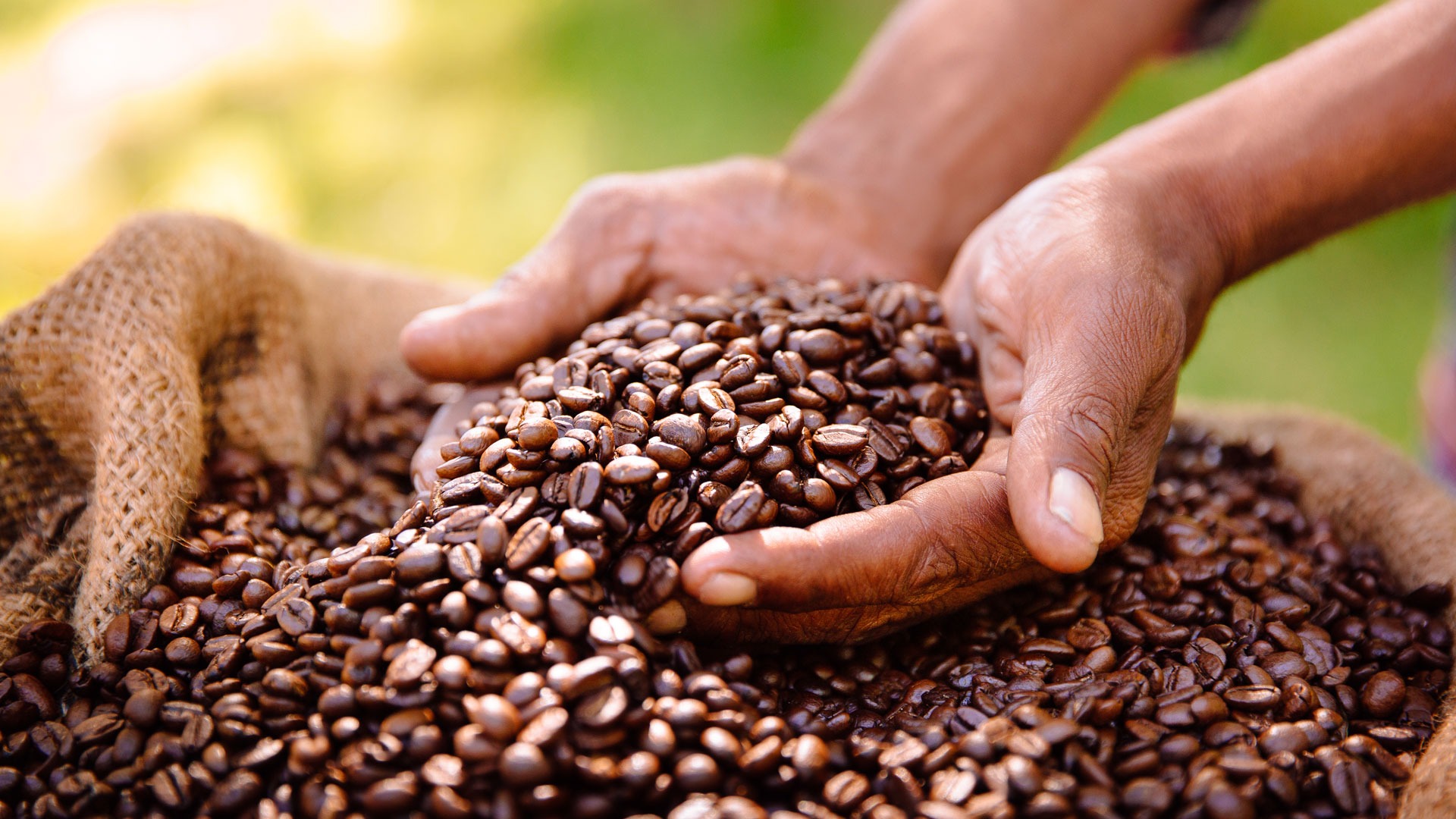
Uganda coffee tourism farms offer one of East Africa’s most underexplored travel experiences — a direct connection to the origin of Robusta coffee and the birthplace of specialty Arabica cultivation in the Albertine Rift region. Uganda is Africa’s largest coffee exporter by volume after Ethiopia. The country grows Robusta coffee at lower elevations across the central and western regions and high-altitude Arabica on the slopes of Mt Elgon, the Rwenzori Mountains and the hills around Kisoro near Bwindi. Visiting farms, meeting smallholder growers and cupping fresh-roasted Ugandan coffee creates a cultural dimension that no museum or historical site can replicate.
Uganda Coffee Tourism Farms: Coffee Near Bwindi
Uganda coffee tourism farms near Bwindi concentrate in the Kisoro District highlands immediately west of the national park. The high altitude, volcanic soil and reliable rainfall create ideal Arabica growing conditions at 1,600 to 2,200 metres. Gorilla Conservation Coffee is a direct trade cooperative that operates on the Bwindi buffer zone, employing former poachers and displaced Batwa community members as certified farm managers. Visits to Gorilla Conservation Coffee farms can be arranged through your Bwindi lodge. The farm visit covers the full processing chain — picking cherries, wet processing, sun drying on raised beds and hand sorting. Entry fees of $20 to $30 per person go directly to farm families.
Uganda Coffee Tourism Farms: Coffee Near Kampala
Uganda coffee tourism farms near Kampala operate at Masaka and the Mukono-Lugazi corridor along the shores of Lake Victoria. The Buganda Kingdom region around these areas grows Robusta coffee — the hardier, lower-altitude species that Uganda dominates globally. Sipi Falls Coffee on the Mt Elgon slopes east of Kampala is a four-hour drive and delivers one of the most complete farm tourism experiences in Uganda. The Sipi River Farm and Crow’s Nest Café at Sipi offer guided farm walks, cherry picking sessions, traditional roasting demonstrations and cupping tables serving five or six distinct altitude profiles from the same mountain. Day trips from Kampala to Sipi are viable, with an early departure recommended.
Uganda Coffee Tourism Farms: Mt Elgon Arabica Experience
Uganda coffee tourism farms reach their highest quality on the slopes of Mt Elgon near the Kenya border, where KAPCHORWA district produces some of Uganda’s most acclaimed specialty Arabica. The Sipi Falls area at 2,000 metres combines dramatic three-waterfall landscape with smallholder coffee farms that supply the international specialty market. Arabica Coffee Farm Tours at Sipi run with local guide Moses from Sipi River Lodge and take two to three hours through wet processing stations, drying beds and shade-grown coffee bushes under indigenous trees. Coffee grown here has won African Fine Cup awards. Meeting the growers who produced an award-winning lot creates a connection to your daily cup that no roastery can provide.
Uganda Coffee Tourism Farms: The Robusta Coffee Story
Uganda coffee tourism farms around Masaka and central Uganda tell the story of Robusta coffee — the species that most of the world drinks in blends, espresso bases and instant coffee without knowing its origin. Wild Robusta coffee grows natively in the Kibale Forest region of Uganda, making the country the genetic homeland of the world’s most commercially important coffee species. Ugandan Robusta reaches 70% of the world’s espresso blends. The Uganda Coffee Development Authority runs educational programmes at demonstration farms near Entebbe that explain the Robusta growing, processing and export story. These facilities welcome visitors for free or nominal entry fees.
Uganda Coffee Tourism Farms: Best Kampala Coffee Experiences
Uganda coffee tourism farms connect to an excellent Kampala café scene that showcases Ugandan specialty coffee at its best. Endiro Coffee operates four Kampala branches serving single-origin Ugandan Arabica prepared by trained baristas on quality espresso equipment. The Endiro story connects directly to smallholder farms in the Rwenzori region. Café Pap in Bukoto serves Ugandan specialty pour-overs and flat whites alongside hearty breakfasts. The Cupping Room at the Uganda Coffee Development Authority office in Kampala conducts public cupping sessions for groups — contact them in advance to schedule a visit. These urban coffee experiences pair perfectly with farm visits planned earlier in your safari itinerary.
Uganda Coffee Tourism Farms: How to Include Coffee Tourism in Your Safari
Uganda coffee tourism farms integrate naturally into almost any Uganda safari itinerary without requiring detours. The Kampala to Bwindi road passes through Masaka’s coffee-growing belt — a roadside stop at a farm cooperative or processing station takes 30 minutes and costs nothing. Adding a Sipi Falls overnight to an itinerary that ends at Entebbe via Mt Elgon replaces a generic Kampala transit night with a waterfall, highland coffee farm and extraordinary views across Kenya and Uganda at dawn. Gorilla Conservation Coffee at Bwindi is bookable as a half-afternoon activity the day after your gorilla trek. These additions cost very little but deliver memories that outlast even the gorilla trek itself.
Uganda Coffee Tourism Farms: What to Buy and Bring Home
Uganda coffee tourism farms sell roasted coffee directly at farm gates and processing stations. Prices range from $8 to $20 per 250 gram bag of specialty green or roasted Arabica. Sipi Falls estate coffees, Gorilla Conservation Coffee bags and Rwenzori Mountain Coffee are the three most acclaimed Ugandan origin brands available for farm-direct purchase. Buy whole bean if you have a grinder at home — the coffee stays fresher longer than pre-ground. Ugandan customs allows coffee export in personal quantities without restriction. Pack coffee bags in checked luggage to avoid security questions about powder substances in carry-on. Bringing home coffee purchased directly from the farmer is one of the finest souvenirs Uganda offers.
Plan Your Uganda Cultural Experience
Adding Culture to Your Safari
When to Book Cultural Experiences
Many community cultural programs — Batwa forest walks, village community visits and Bigodi Wetland walks — operate on advance booking. African Wild Trekkers pre-books all cultural activities on your behalf alongside your wildlife permits.
Combining Culture and Wildlife
The best Uganda itineraries weave cultural stops into the spaces between wildlife activities. A morning gorilla trek followed by an afternoon Batwa experience, or a chimp trek followed by a Bigodi community walk — these combinations create the most complete Uganda experience.
Your Complete Uganda Package
What Is Included
All lodge accommodation, full-board meals, private safari vehicle, driver-guide, wildlife permits, park entry fees, cultural experience fees and airport transfers are included in your confirmed package price.
Community Program Payments
Entry fees for community programs are pre-paid through African Wild Trekkers and distributed directly to the relevant community organisation. Bring additional Ugandan Shillings for craft purchases and personal tipping.
Book Your Uganda Safari
Tailored to Your Interests
Tell us whether culture, wildlife, adventure or a combination of all three drives your trip. We build every itinerary around what you specifically want to experience, not a generic package template.
Contact Us
Reach African Wild Trekkers at africanwildtrekkers.com/contact. We respond within 24 hours and deliver your personalised itinerary within three working days of your enquiry.