Nairobi City Guide 2026: Exploring Kenya’s Capital Beyond the Transit Lounge
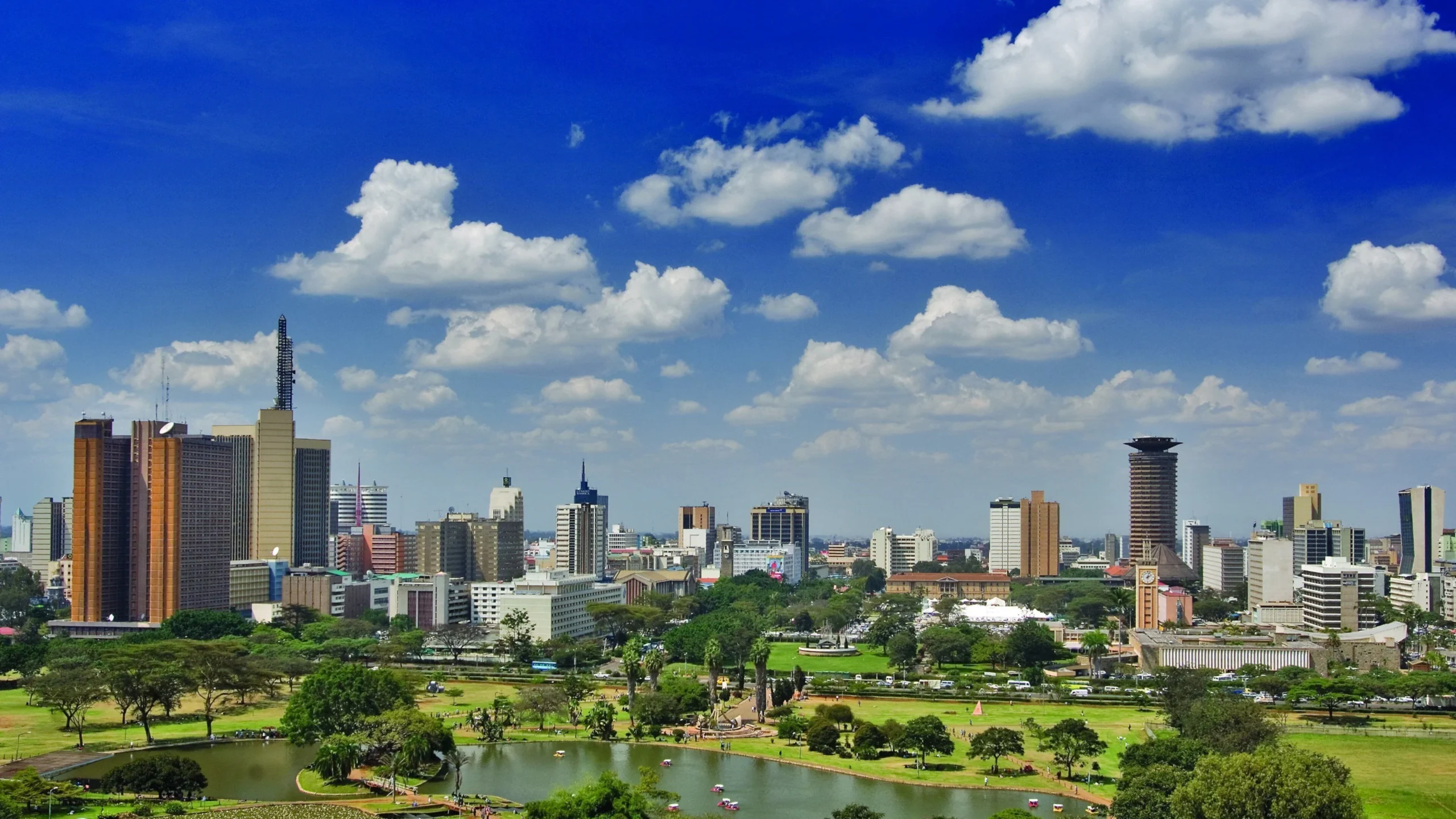
Nairobi deserves more than a quick airport stop. Travelers who spend a day here discover one of East Africa’s most vibrant cities.
The Kenyan capital combines wildlife, culture, art, and food. It offers experiences that complement any safari itinerary.
Nairobi hosts Africa’s only capital-city national park. It also has the famous David Sheldrick Wildlife Trust and Giraffe Centre.
The city has a growing art scene and a diverse food culture. Kenyan, Indian, Ethiopian, and international influences shape its restaurants.
At 1,661 meters above sea level, Nairobi enjoys a cooler climate than the coast. Areas like Karen, Westlands, and Kilimani are ideal for visitors.
African Wild Trekkers includes Nairobi city experiences for travelers arriving early or leaving late. This helps guests maximize their Kenya adventure.
Wildlife Activities in Nairobi
David Sheldrick Wildlife Trust
The David Sheldrick Wildlife Trust offers one of Nairobi’s most emotional wildlife experiences. Visitors watch rescued elephant calves during the daily 11 AM feeding session.
Each elephant arrives after losing its mother through poaching, drought, or human conflict. Their rescue stories are shared by dedicated keepers.
The keepers often sleep beside young elephants during their early rehabilitation stages. This close bond helps the calves recover and develop naturally.
Visitors witness elephants playing, feeding, and interacting with their caregivers. The experience is often described as one of Kenya’s most memorable wildlife encounters.
Advance booking is required. The $15 entry fee supports elephant rescue and conservation programs.
The trust also runs an elephant adoption program. Supporters can follow individual elephants and contribute to their care.
The orphanage is located near Nairobi National Park. Combining it with a morning game drive creates a complete wildlife experience.
Visitors can see lions, rhinos, and other wildlife before attending the 11 AM elephant viewing.
Nairobi Giraffe Centre
The Giraffe Centre in Karen allows visitors to feed endangered Rothschild giraffes.
Guests stand on an elevated platform at eye level with these 5.5-meter animals. The experience creates a unique connection with giraffes.
Visitors feel the gentle touch of the giraffe’s lips and its long tongue while feeding.
The center started in 1979 when fewer than 130 Rothschild’s giraffes remained in Kenya.
Since then, the breeding program has helped increase their numbers. More than 100 giraffes have been relocated to protected areas.
The visit supports genuine conservation rather than simple entertainment. Each giraffe contributes to the survival of this endangered subspecies.
Warthogs also roam the forest around the center. Their presence adds another wildlife element to the experience.
The Giraffe Centre opens daily from 9 AM to 5 PM. It takes about 60 to 90 minutes to explore.
The center is near the Karen Blixen Museum. Visitors can combine both attractions in one afternoon.
African Wild Trekkers recommends the Giraffe Centre for travelers arriving in Nairobi. It provides an immediate introduction to Kenya’s wildlife.
Culture, Food, and Nairobi Neighbourhoods
Westlands and the Restaurant Scene
Westlands is Nairobi’s main dining and entertainment district. It offers restaurants, cafés, and bars for every taste.
The area attracts diplomats, professionals, and international visitors. As a result, it has one of East Africa’s best food scenes.
Carnivore Restaurant remains Nairobi’s most famous dining experience. It serves grilled meats on traditional Maasai swords.
The garden setting creates a relaxed atmosphere after a wildlife-filled day.
Westlands also offers Ethiopian, Japanese, Indian, and international cuisine. Visitors can explore many restaurants within a short distance.
Karen provides a quieter suburban atmosphere. Talisman Restaurant combines Kenyan and Mediterranean flavors in a beautiful garden setting.
Nairobi’s coffee culture is also worth exploring. Kenya produces some of the world’s finest Arabica coffee.
Specialty cafés serve beans from regions such as Nyeri and Central Kenya. Visitors can enjoy high-quality coffee before a safari activity.
Java House, Dormans Coffee, and Artcaffe are popular choices. They offer Kenyan coffee prepared using modern techniques.
Kazuri Beads and Craft Markets
Kazuri Beads in Karen is a social enterprise supporting vulnerable women. Visitors can tour the workshop and see the production process.
The process includes shaping clay, creating beads, and making finished jewelry.
The company started in 1975 with two workers. Today, it employs more than 350 women.
Purchasing Kazuri products supports local communities. Each item represents both craftsmanship and social impact.
Karen also has craft studios and designers. Visitors can explore Kenyan fabrics, artwork, and handmade products.
The nearby Ngong Hills viewpoint offers impressive views. The landscape connects visitors with the setting described in Karen Blixen’s book, Out of Africa.
The Maasai Market operates on different days across Nairobi. Locations include Village Market, Yaya Centre, and The Junction.
Visitors can buy beadwork, carvings, fabrics, and soapstone crafts. Quality varies, so comparing products before buying is recommended.
African Wild Trekkers shares the market schedule with guests. This helps travelers plan their Nairobi experience effectively.
Plan Your Safari
A Nairobi city day works best as part of a Kenya safari itinerary. It should be planned as an experience, not simply airport waiting time.
African Wild Trekkers creates Nairobi programs that combine wildlife, culture, and food.
Packages can include Nairobi National Park, the David Sheldrick Wildlife Trust, the Giraffe Centre, and restaurant recommendations.
Transportation, tickets, and timing are arranged in advance. This allows visitors to enjoy Nairobi without worrying about logistics.
Contact African Wild Trekkers at africanwildtrekkers.com/contact with your Nairobi dates. We will design a city experience that connects perfectly with your Kenya safari.