Is Kenya Safe for Tourists in 2026? What the Evidence Shows
Kenya is safe for safari travelers visiting national parks, conservancies, and coastal destinations—with the practical precautions that apply to any international travel in sub-Saharan Africa. The country receives millions of foreign visitors each year across the Maasai Mara, Amboseli, Tsavo, Samburu, Lamu, and Diani Beach. The vast majority return home without any safety incident beyond minor inconvenience. Kenya’s government invests heavily in tourist area security because tourism drives a significant share of national GDP. African Wild Trekkers provides clients with a current destination-specific safety brief before departure based on conditions at the time of their travel.
Crime and Personal Safety in Kenya
Nairobi Safety for Travelers
Nairobi is a large African city with petty crime rates typical of major urban centers worldwide. The neighborhoods most relevant to safari travelers—Westlands, Karen, Gigiri, and Langata—maintain a markedly better security environment than the city center around River Road and Eastleigh. Pickpocketing, phone snatching, and bag theft happen most in crowded public spaces, busy matatu stages, and poorly lit streets after dark. Stay in a recommended hotel in Westlands or Karen and use Uber for all city transport, and you eliminate the vast majority of city crime risk.
The US Department of State holds a Level 2 travel advisory for Kenya — “Exercise Increased Caution” — the same rating it applies to France, Germany, and the United Kingdom. It reflects general awareness of petty crime and road conditions rather than a specific warning against travel. The northeastern Kenya counties bordering Somalia carry a Level 4 “Do Not Travel” advisory, but these areas sit hundreds of kilometers from any safari destination and appear on no standard itinerary. African Wild Trekkers does not operate in any Level 3 or Level 4 advisory zone.
Safety on Safari in Kenya’s Parks
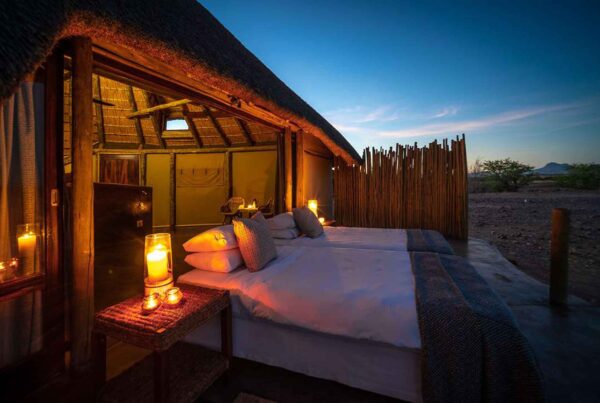
Kenya’s national parks and conservancies operate with Kenya Wildlife Service rangers and private conservancy security teams. Violent crime against tourists is genuinely rare and statistically insignificant relative to visitor numbers. Safari camps and lodges run perimeter security through the night. Staff escort guests between accommodation units and communal areas after dark as standard procedure, not as an unusual precaution. Follow your guide’s instructions precisely on every game drive and bush walk—wildlife poses real physical risk to those who ignore direction.
Bush walks and guided nature walks carry higher inherent risk than vehicle-based game drives. Listen carefully to your armed ranger guide’s full briefing before departure. Rangers carry loaded and functional rifles, not decorative ones. African Wild Trekkers monitors weather and security conditions in real time and adjusts transfer routing when conditions require a safer alternative without impacting your safari experience.
Health Risks in Kenya 2026
Malaria Prevention and Medical Preparation
Malaria is the primary health risk for visitors to Kenya’s safari areas. Every traveler visiting game parks below 1,800 meters should start malaria prophylaxis before departure and maintain medication for the full prescribed period after returning home. Malarone (atovaquone/proguanil) suits short trips best — you take it one day before entering the risk area, throughout your stay, and for only seven days after departure. Book a travel medicine clinic appointment at least six weeks before departure to get the prescription and confirm you tolerate the medication.
Kenya’s safari lodges stock basic first aid supplies and maintain contacts with medical evacuation services. The nearest full-service hospital to most bush destinations is in Nairobi or Mombasa—one to four hours away depending on camp location. AMREF Flying Doctors operates medical evacuation from remote Kenya locations to Nairobi’s top hospitals. Membership costs approximately $25 per trip or $50 annually and is worth having for any remote camp travel.
Food and Water Safety
Safari lodges and camps serve filtered or bottled water for drinking and teeth brushing. Food hygiene at established Kenya safari properties is consistently good across budget, mid-range, and luxury tiers. Drink only bottled or lodge-filtered water throughout your stay, including drinks with ice at lodge restaurants where ice comes from filtered sources. Carry oral rehydration salts for mild traveler’s diarrhea—the condition is common in the first few days of any new dietary environment and typically resolves within 48 hours.
Nairobi’s Westlands and Karen restaurants maintain strong food hygiene standards for their international clientele. Fruits you peel yourself—bananas, oranges, and mangoes—are safe to eat across Kenya. Avoid drinking tap water throughout the trip for all consumption. Nairobi’s Carrefour supermarkets carry international food products if dietary restrictions require specific items unavailable on lodge menus.
Travel Insurance for Kenya 2026
What Your Kenya Travel Insurance Must Cover
Kenya travel insurance must include medical evacuation to a facility of your choosing—not merely the nearest hospital. A minimum evacuation cover of $500,000 USD covers a helicopter to Nairobi plus an international medical flight if needed. Check that your policy covers pre-existing conditions, since many standard travel insurance products exclude them. Read the exclusions section before purchase rather than after a claim triggers a dispute.
Trip cancellation and curtailment cover protects your non-refundable safari costs. Peak-season lodge reservations carry strict no-refund policies after the booking window closes. Safari bookings at high-end lodges can represent $3,000–$8,000 USD per person in prepaid costs—insurance premiums for this level typically cost 6–8 percent of the insured trip value. African Wild Trekkers recommends World Nomads, Battleface, and Heymondo based on strong client feedback over multiple seasons.
Emergency Contacts and Safety Resources in Kenya
Kenya’s national emergency number is 999 for police, fire, and ambulance services. Save the Nairobi tourist police number—020-604767—in your phone before arrival, along with your safari operator’s 24-hour emergency contact. Your lodge manager is the first person to contact in any medical or security emergency—they have relationships with Flying Doctor services and with the nearest medical facility. Register your travel with your home country’s foreign ministry travel registration service so your government knows you are in Kenya.
Road safety represents one of Kenya’s highest actual risk factors for visitors. African Wild Trekkers uses experienced professional drivers, enforces a no-nighttime-driving policy between destinations, and plans all movements to arrive before dark. Never accept rides from unofficial taxis or matatus for long-distance travel between parks. Seat belts are compulsory by law in Kenya — wear yours for every road journey.
Plan Your Safari
Kenya safety preparation—travel insurance, malaria prophylaxis, ETA documentation, emergency contacts, and Flying Doctor enrollment—is straightforward when handled systematically before departure. African Wild Trekkers sends every client a complete pre-travel safety and health brief specific to their Kenya itinerary.
Your Kenya safari package includes vetted professional drivers, insured 4×4 vehicles, experienced guides with first aid certification, accommodation at established lodges with perimeter security, and 24-hour in-country support from the African Wild Trekkers operations team.
Contact African Wild Trekkers at africanwildtrekkers.com/contact with your travel dates, and we will send a full Kenya safety brief and itinerary confirmation within 24 hours.