Ngorongoro Crater: Africa’s Wildlife Arena
The Crater’s Ecology and What Makes It Unique
Formation, Size and Why Animals Stay Inside
Ngorongoro Crater Safari: Tanzania’s Most Iconic Wildlife Caldera Experience
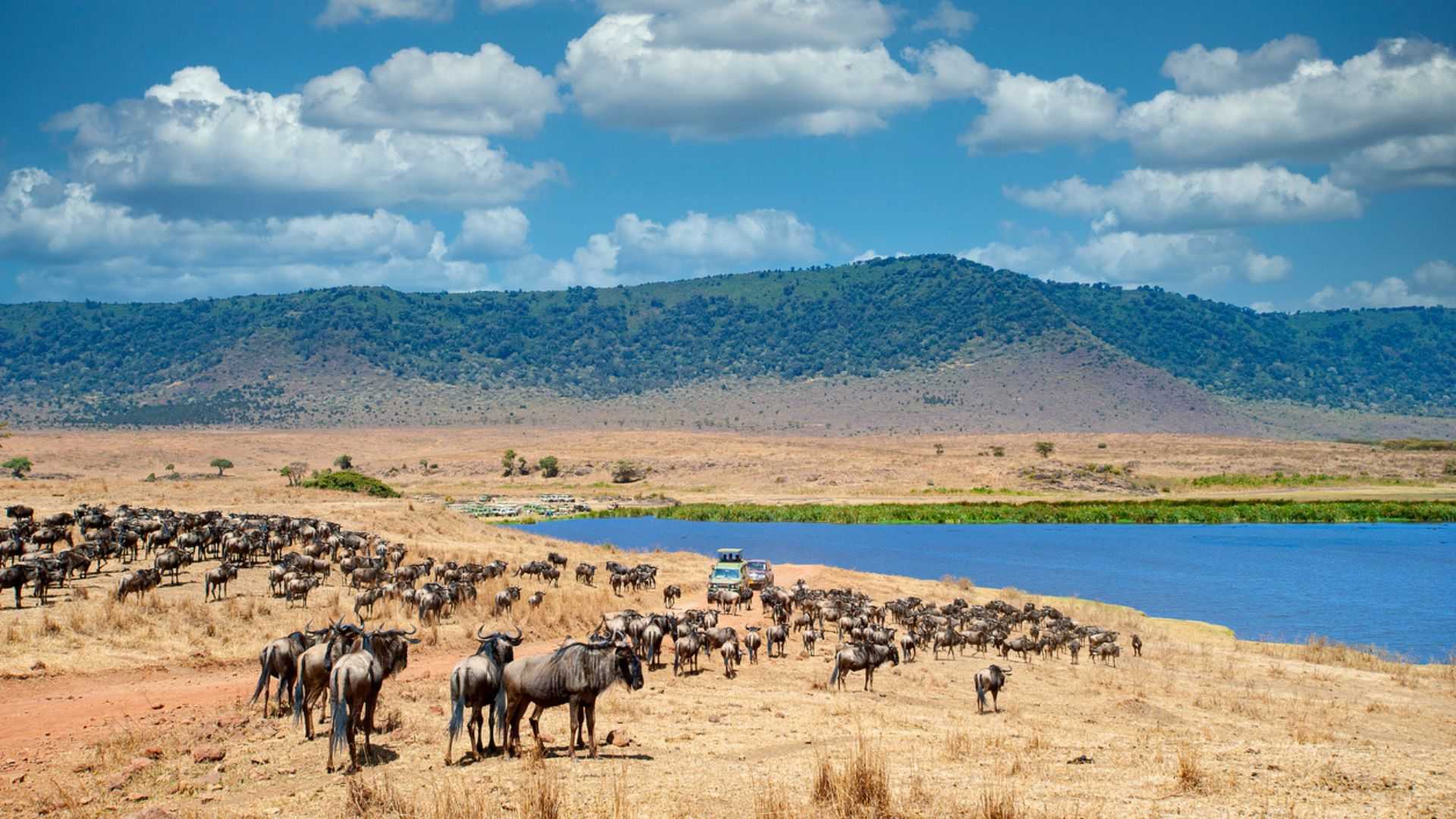
Ngorongoro Crater is the world’s largest intact and unflooded volcanic caldera, measuring approximately 20 kilometres across and covering 260 square kilometres of floor habitat enclosed by walls that rise between 400 and 600 metres above the interior. The crater formed approximately two to three million years ago when an enormous volcano—scientists estimate its peak exceeded Mount Kilimanjaro in height—collapsed inward after volcanic activity emptied the magma chamber below it, creating the bowl structure that today contains one of Africa’s highest concentrations of large mammals within a single geographic unit.
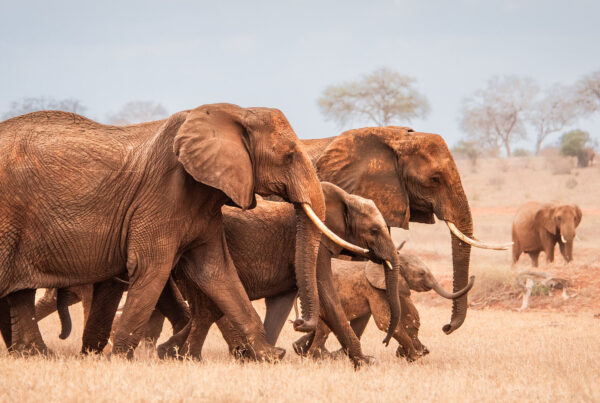
The crater walls act as a natural barrier that retains most species within the caldera year-round. Elephants, buffalo, and some wildebeest move up and over the walls seasonally, but the majority of the crater’s resident population of lions, hyenas, rhinos, zebras, and flamingos remains inside the bowl regardless of rainfall conditions or seasonal movement patterns elsewhere in the Ngorongoro Conservation Area.
This year-round residency creates the wildlife density that makes Ngorongoro famous. On a single crater descent of five to six hours, visitors regularly encounter five or more of the Big Five species alongside dozens of supporting wildlife interactions that typical Serengeti drives of the same duration may not achieve in a single day.
The crater’s landscape diversity further enhances its ecological richness. Short-grass plains in the central section support wildebeest and zebra herds. The Lerai Forest along the western wall shelters elephants and bush birds beneath yellow fever trees. The Gorigor Swamp on the southern floor provides hippo pools and flamingo feeding grounds. Meanwhile, the Mungi River outlet in the northeast delivers a permanent water source that concentrates predators and prey throughout the year.
Black Rhino: The Crater’s Most Significant Species
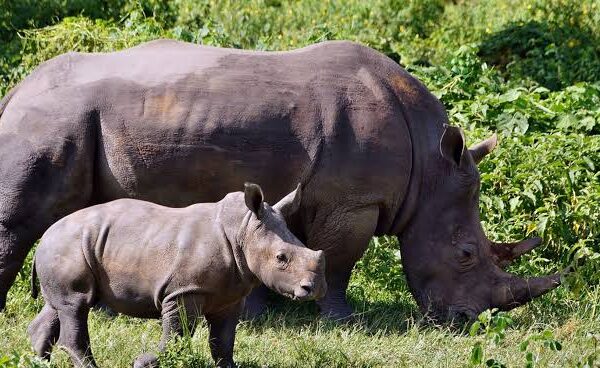
Ngorongoro Crater maintains one of the healthiest black rhino populations in Africa, with approximately 30 to 40 individuals resident under continuous anti-poaching ranger protection. This protection preserved the population through the continental collapse that reduced Africa’s black rhino numbers from 70,000 in 1970 to under 2,500 by 1995.
The crater’s natural enclosure and intensive surveillance create security conditions that allow rhinos to graze openly during daylight hours—behavior rarely seen in unfenced ecosystems. Black rhino sightings here are more reliable than almost anywhere else in Africa, although their natural wariness still requires expert guiding and knowledge of individual movement patterns.
Ngorongoro lions exhibit unique behavioral adaptations due to long-term isolation within the crater. The closed ecosystem has influenced genetic diversity and created predator behavior shaped by consistent prey availability and constant vehicle exposure. Crater lions are among the most habituated in Africa, often allowing vehicles to approach within five meters without altering their activity.
This exceptional tolerance creates photographic conditions unmatched in many larger ecosystems such as the Serengeti, making Ngorongoro a priority destination for wildlife photographers seeking close-range predator portraits.
Planning a Crater Descent
Costs, Permits and Operational Structure
A Ngorongoro Crater descent requires payment of Ngorongoro Conservation Area Authority (NCAA) fees, which include general entry plus crater-specific descent charges. As of 2026, non-resident fees are approximately USD 295 per person per day, with an additional vehicle descent fee applied.
All fees must be prepaid through the NCAA electronic system, and safari operators manage this as part of the booking process. A private crater descent for two travelers typically ranges between USD 700 and USD 900 before accommodation costs.
Descents begin at 06:00 from the crater rim gate and must exit by 18:00. NCAA rangers strictly enforce timing, recording entry and exit at control points. A standard itinerary allows a five-hour crater floor experience, including a picnic lunch near Mandusi Hippo Pool.
All vehicles must remain on designated tracks. Off-road driving is not permitted. However, wildlife density ensures excellent sightings without leaving designated routes.
Crater Rim Lodges: Where to Stay
Luxury and Mid-Range Options on the Edge of the Caldera
The Ngorongoro crater rim offers some of the most dramatic lodge settings in Africa, with accommodations positioned at approximately 2,200 meters above sea level overlooking the caldera floor 600 meters below.
Ngorongoro Crater Lodge remains the most iconic property on the rim, combining Maasai-inspired architecture with chandeliers, butler service, and dramatic cliff-edge positioning. Suites face directly into the crater, creating one of Africa’s most theatrical safari accommodations. Guest experience varies between those who view it as highly artistic luxury and those who see it as architectural extravagance.
The &Beyond Ngorongoro Crater Lodge offers similarly positioned suites with west-facing views ideal for sunset over the caldera. Its five-star service, design detail, and elevated positioning make it one of Tanzania’s benchmark luxury safari properties.
Mid-range alternatives include Ngorongoro Serena Safari Lodge and Ngorongoro Sopa Lodge. Both offer crater-view accommodation at significantly lower price points, making them suitable for travelers prioritizing the crater descent experience over ultra-luxury lodging.
Basic public campsites are also available on the rim for budget circuit itineraries, though nighttime temperatures remain cold due to the high-altitude environment.
Combining Ngorongoro With Other Tanzania Destinations
Northern Circuit Safari Integration
Ngorongoro Crater forms a core component of Tanzania’s northern safari circuit, typically combined with Tarangire National Park, Lake Manyara, and the Serengeti.
A standard circuit begins in Arusha and proceeds to Tarangire or Lake Manyara, continues to Ngorongoro for crater rim accommodation and descent, and then extends into the Serengeti for multi-day wildlife viewing. This structure minimizes backtracking while maximizing habitat diversity across Tanzania’s premier safari destinations.
A particularly rewarding combination is the Serengeti calving season (January–February) paired with Ngorongoro Crater. The crater delivers dense resident wildlife, including black rhino, while the southern Serengeti plains provide predator-prey interactions during peak wildebeest birthing season.
This combination is widely regarded as Tanzania’s most complete ecological safari experience, offering both high-density wildlife encounters and large-scale migration dynamics within one itinerary.
Plan Your Safari
Ngorongoro Crater descents require advance NCAA fee processing, permit coordination, and crater rim lodge reservations, which often sell out during peak safari months and festive seasons.
African Wild Trekkers manages all crater logistics within complete Tanzanian northern circuit itineraries, combining Ngorongoro with Serengeti, Tarangire, Lake Manyara, and optional coastal extensions for a full-country experience.
Your Tanzania safari package includes crater descent fees and permits, rim lodge accommodation with caldera views, private 4×4 vehicle and guide for the descent, and full coordination of all northern circuit connections including internal flights and cross-border logistics where required.
Contact African Wild Trekkers at africanwildtrekkers.com/contact with your travel dates, and we will design and confirm your complete Ngorongoro Crater safari itinerary within 24 hours.
Contact African Wild Trekkers at africanwildtrekkers.com/contact with your Tanzania travel dates, and we will design your Ngorongoro and northern circuit itinerary within 24 hours.