Dar es Salaam Tanzania Travel Guide: City Stopover Tips & Best Hotels
Dar es Salaam is Tanzania’s largest city and its commercial capital, serving as the primary international gateway for visitors entering Tanzania from the south and east. Most long-haul flights into Tanzania arrive at Julius Nyerere International Airport in Dar es Salaam before connecting onward to Arusha, Kilimanjaro, or Zanzibar. Many safari itineraries that begin or end in the south — including Selous, Ruaha, and the Zanzibar coast — pass through the city. Understanding Dar es Salaam’s neighbourhoods, hotel options, and what to do during a stopover makes the city a genuine asset to your Tanzania trip rather than simply a transit inconvenience.
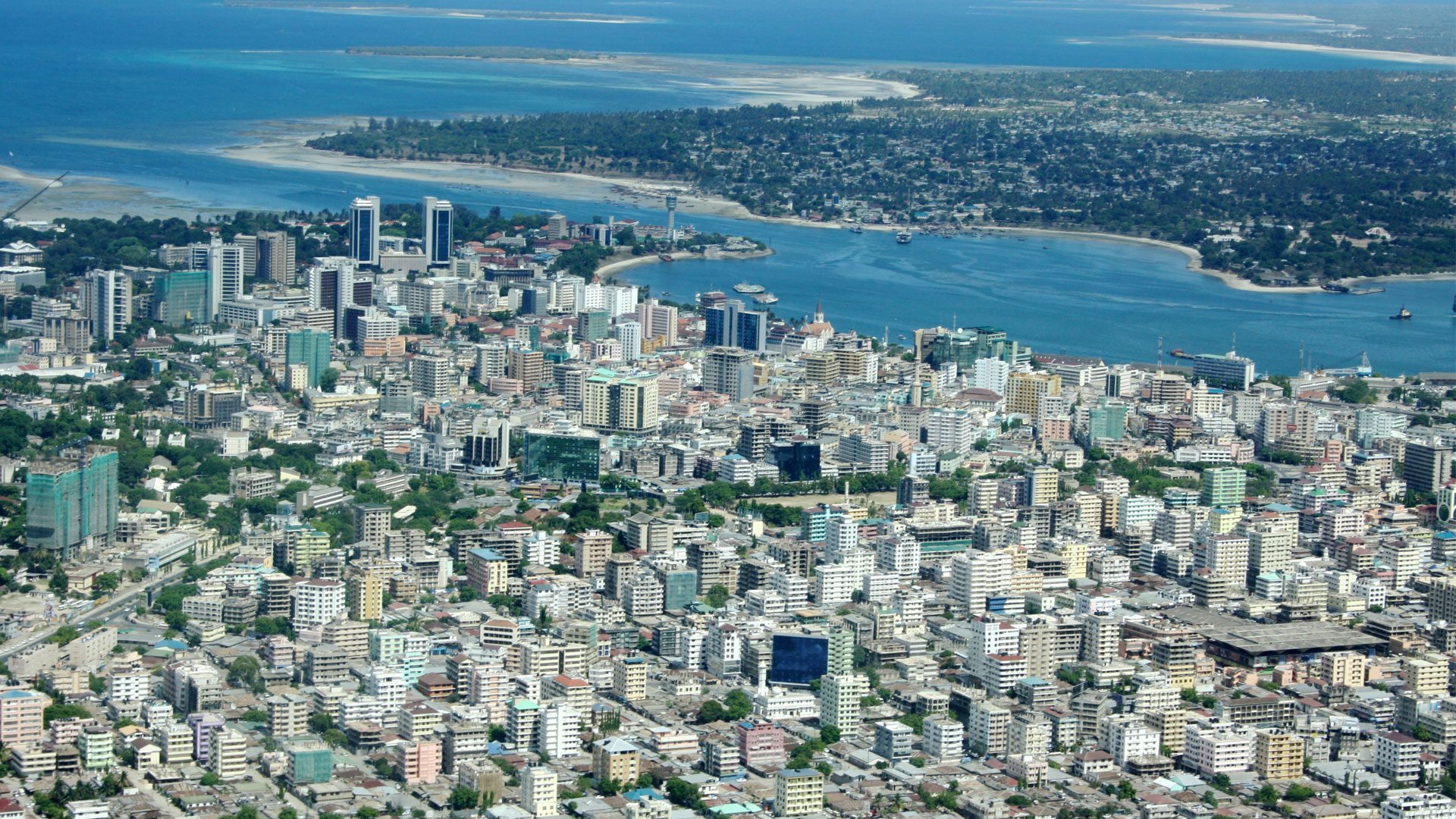
The city sits on a natural harbour on the Indian Ocean coast and has a character that is distinctly different from Arusha’s safari-focused energy. Dar es Salaam is a working African city of over five million people — busy, commercial, and vibrant — with a mix of colonial architecture, modern high-rises, Indian Ocean seafood restaurants, and craft markets. A well-planned stopover of one or two nights gives you time to experience this urban energy, recover from a long flight, and begin or end your Tanzania experience with a taste of the country’s largest and most cosmopolitan city.
Dar es Salaam Neighbourhoods for Visitors
Where to Stay and What Each Area Offers
Msasani Peninsula: The Expatriate and Tourist Hub
The Msasani Peninsula, curving into the Indian Ocean north of the city centre, is the most visitor-friendly area of Dar es Salaam. It holds the majority of the city’s upscale hotels, restaurants, and shops. The peninsula’s two main commercial strips — Haile Selassie Road and the Sea Cliff area — are lined with international restaurants, craft shops, supermarkets stocked with familiar brands, and ATMs. The Slipway Shopping Centre on the harbour has a mix of cafes and craft vendors popular with both tourists and expatriates. The boat-access restaurant at the end of the jetty serves excellent seafood in a distinctly Dar es Salaam setting. The area is safe for walking during daylight hours, though the usual city precautions around bags and valuables apply.
Hotels on the Msasani Peninsula largely target the business travel and expatriate community. Several international-standard properties offer reliable infrastructure, air conditioning, swimming pools, and consistent internet access. For travellers coming off a long international flight, the combination of a modern hotel, a swim, and a good meal in a relaxed neighbourhood makes Msasani the practical choice for first-night arrivals. Distance to the airport is approximately 20 to 30 minutes by taxi depending on traffic, though Dar es Salaam’s notorious traffic jams can extend journey times significantly during morning and evening rush hours.
City Centre and Kariakoo: The Commercial Heart
Dar es Salaam’s city centre around Samora Avenue and the old clock tower area retains a mix of colonial-era buildings and busy African commercial life that is worth exploring for visitors interested in the city’s character. The National Museum, a short walk from the main hotels, houses Tanzania’s most significant archaeological collection including casts of the Laetoli footprints — 3.7-million-year-old human ancestor footprints discovered in northern Tanzania. The National Museum also holds Swahili coastal artefacts and a history of Tanzania’s independence movement that provides important context for understanding the country beyond the safari circuit.
Kariakoo Market, a short drive or long walk from the city centre hotels, is one of East Africa’s great urban markets — sprawling, colourful, and selling everything from fresh produce to fabric to hardware in a density of commercial activity that is entirely absorbing. Visit in the morning when the fresh produce section is most active, and bring a local guide or trusted taxi driver who can show you the layout and help you navigate the more confusing sections. Standard city precautions apply — leave expensive cameras and jewellery at the hotel, carry only what cash you need, and stay aware of your surroundings in crowded areas.
Oyster Bay and the Ocean Road
Oyster Bay, between Msasani and the city centre, offers a slightly quieter residential atmosphere along the ocean road with several good restaurants and the city’s best accessible beach at Coco Beach. Coco Beach is a popular weekend gathering point for Dar es Salaam residents — families, young people, and vendors selling coconut water, grilled corn, and fresh fruit line the sandy strip in the afternoons and weekends. It is not a swimming beach by resort standards, but it provides an authentic glimpse of how the city’s residents enjoy their ocean frontage and makes for a pleasant late afternoon walk. Ocean Road itself runs along the Indian Ocean shoreline and offers a pleasant walk at dusk when the light on the water is exceptional.
Several boutique hotels and guesthouses in Oyster Bay offer an alternative to the larger Msasani hotel strip, with more character and a quieter setting at somewhat lower price points. Restaurants in Oyster Bay lean toward seafood and Indian Ocean cuisine — grilled kingfish, prawn curries, and crab served with coconut rice are consistently excellent at well-established establishments in this area. For visitors with an evening to spare in Dar es Salaam, the combination of a sunset walk along Ocean Road and dinner at an Oyster Bay seafood restaurant is hard to improve upon.
Best Hotels in Dar es Salaam for Safari Stopover
Upscale, Mid-Range, and Budget Options
International-Standard Hotels Near the Airport and Centre
Several international hotel brands operate in Dar es Salaam and provide the reliable infrastructure that suits transit stays — consistent air conditioning, 24-hour room service, swimming pools, and business centre facilities. The Hyatt Regency Dar es Salaam, located on the Msasani waterfront, is widely regarded as the city’s leading international hotel, with ocean-view rooms, multiple dining options, and a pool deck overlooking the harbour. It serves a predominantly business travel and diplomatic clientele and maintains the standards expected of the brand globally. The Doubletree by Hilton near the Mlimani City shopping area provides similar infrastructure at a slightly lower price point and is convenient for airport transfers along the main northern road.
Both properties are significantly more expensive than other Dar es Salaam accommodation and best suit travellers who prioritise predictability and comfort over local character on a short stopover. Room rates in Dar es Salaam’s international hotels compare unfavourably to equivalent hotels in European or Asian cities, partly reflecting the limited supply of truly international-standard infrastructure in the city. Booking in advance and confirming your room type — ocean-view versus city-view makes a meaningful difference at harbour-facing properties — is recommended for peak travel periods from June through October.
Boutique and Character Hotels on Msasani
A number of well-regarded boutique hotels on the Msasani Peninsula offer a more personal experience than the large international chains. They provide local character, smaller room numbers, and attentive service that is sometimes difficult to find in larger properties. The Protea Hotel by Marriott Dar es Salaam Courtyard and several independently run guesthouses on the peninsula offer comfortable rooms, good restaurants, and swimming pools at prices that undercut the flagship international hotels significantly. Reviews from recent travellers are the most reliable guide to current quality at these properties, as ownership and management changes can affect standards relatively quickly in Tanzania’s hotel sector.
For travellers arriving late at night from international flights, proximity to the airport is a meaningful consideration. The airport is located in Pugu, south of the city, and the drive to Msasani hotels in heavy traffic can take 45 minutes to over an hour during peak periods. Some travellers prefer to book an airport-adjacent hotel for a short arrival night and transfer to a better-located property the following morning for any sightseeing. Airport hotels in Dar es Salaam are mostly standard international transit properties without significant character, but they serve the functional purpose well and allow a quick turnaround for early morning onward flights.
What to Do During a Dar es Salaam Stopover
Half-Day and Full-Day Activities Worth Your Time
Day Trips from Dar es Salaam
Several worthwhile destinations are accessible as day trips from Dar es Salaam for visitors with a full day or more to spare. Bongoyo Island, a tiny uninhabited island 5 kilometres off the Msasani Peninsula, is reachable by a 20-minute boat transfer from the Slipway. It offers excellent snorkelling, white sand beaches, and a complete absence of commercial development. The snorkelling quality depends on sea conditions and time of year, but on calm days the shallow reef around the island holds a good variety of tropical fish, corals, and occasionally dolphins. A day trip to Bongoyo is one of Dar es Salaam’s most enjoyable activities and a worthwhile use of a full afternoon.
Bagamoyo, approximately 75 kilometres north of Dar es Salaam, is a World Heritage Site and one of the most historically significant towns on the East African coast. It served as a major terminus of the Arab slave trade and a departure point for European explorers including Livingstone and Stanley. The ruins of the old slave market, German colonial buildings, and Caravan Serai provide remarkable context for the region’s history. The drive takes about 90 minutes each way on a good tarmac road, and the town is compact enough to cover in two to three hours on foot with a local guide. Combining Bagamoyo with a seafood lunch at one of the beach restaurants before returning to Dar es Salaam makes for a full and historically rich day trip.
Restaurants and Food Worth Seeking Out
Dar es Salaam’s food scene is significantly more sophisticated than many visitors expect. The city has a range of Indian Ocean seafood restaurants, Indian restaurants (reflecting the city’s large South Asian population), and Swahili coastal food that bears no resemblance to generic tourist menus. The Slipway and the surrounding Msasani area have the highest concentration of reliable visitor-oriented restaurants, including several that serve grilled kingfish, prawn piri piri, octopus salad, and seafood platters that reflect the Indian Ocean environment around the city. These dishes are among the best eating available in Tanzania and are worth making time for even on a short stopover.
Indian cuisine in Dar es Salaam is exceptional and reflects genuine South Asian cooking traditions rather than a westernised version. The large Ismaili Muslim and Hindu communities that settled in Tanzania over generations have maintained cooking traditions that are different from and often superior to what is typically available in European Indian restaurants. Several long-established Indian restaurants in the Msasani and city centre areas are consistently recommended by repeat visitors and local residents. Portions are generous, prices are reasonable by international standards, and the cooking in the best establishments is genuinely world-class for this regional cuisine.
Plan Your Safari
A Dar es Salaam stopover works best when treated as a deliberate component of your Tanzania itinerary rather than an unavoidable transit point. One night at minimum allows for airport arrival, a good sleep, and a comfortable connection to your safari destination the following morning. Two nights gives enough time for a half-day city excursion, an evening meal at one of the Msasani seafood restaurants, and a relaxed start to your onward journey without the stress of a rushed airport connection.
African Wild Trekkers arranges Dar es Salaam hotel bookings, airport transfers, and city orientation activities as part of integrated Tanzania itineraries for guests arriving through Julius Nyerere International Airport. The team can also arrange direct connections from Dar es Salaam to southern Tanzania parks including Selous and Ruaha for guests who prefer to avoid Arusha entirely. All reservations are confirmed in writing before any deposit is requested.
Contact African Wild Trekkers at africanwildtrekkers.com/contact with your Dar es Salaam arrival dates and we will arrange your city stopover accommodation and transfers and confirm your safari connection within 24 hours.