Kilimanjaro vs Rwenzori Mountains Uganda: Two Totally Different Climbs
Kilimanjaro or the Rwenzori Mountains: Two East African Climbs Compared
Kilimanjaro and Uganda’s Rwenzori Mountains are both extraordinary East African mountain climbing destinations. But they deliver experiences so different in character that comparing summit elevations alone gives a completely misleading picture of what each involves. Kilimanjaro is Africa’s highest peak. Well-organized, heavily visited, and fundamentally a non-technical high-altitude trek through five distinct climate zones to a glaciated summit cone. The Rwenzori Mountains Ptolemy’s Mountains of the Moon—are a wet, forested, genuinely remote range on the Uganda-Congo border. Margherita Peak at 5,109 meters demands glacier travel, technical climbing, and an acceptance of near-constant rain and mud. Kilimanjaro’s more predictable conditions never require any of this. Both mountains are exceptional. They are exceptional in very different ways, for very different climbers.
The Mountains: Character and Setting
Understanding the fundamental character of each range helps climbers assess which environment appeals to their preferences and which suits their skills and experience.
Kilimanjaro: The Famous Peak
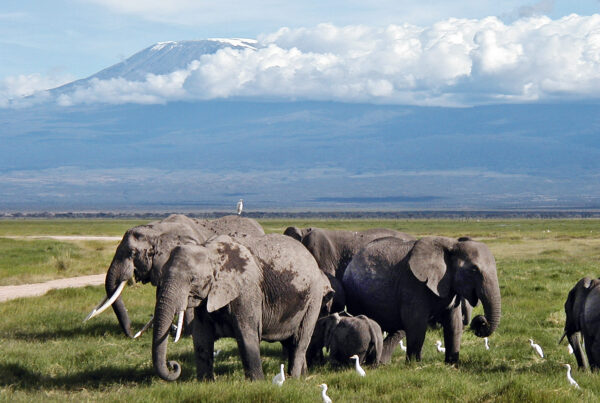
Kilimanjaro’s character is defined by its iconic status, its relatively accessible non-technical routes, and its dramatic visual appeal. Rising in near-perfect volcanic isolation from the Tanzanian plains, Kilimanjaro is one of the world’s most recognizable mountains. Its snow-capped summit is visible from over 100 kilometers away. The routes up the southern face progress through five climate zones—rainforest, moorland, heath, alpine desert, and arctic summit. Each offers distinct botanical character and visual quality. The mountain’s fame brings infrastructure, well-established camp facilities, and experienced guides. All of this makes it relatively forgiving for first-time high-altitude climbers with adequate preparation.
The mountain’s volcanic rock creates a landscape that dries relatively quickly between rain events. While Kilimanjaro has wet and dry seasons, summit attempts can proceed in most months of the year. The crowds on the most popular routes are real. The Machame route in July and August can feel like a procession. But longer routes like Lemosho and the Northern Circuit deliver greater solitude. The overall Kilimanjaro experience is more organized, more predictable, and more accessible to a broader range of physically fit adults than any other high-altitude mountain in Africa.
The Rwenzori: Africa’s Mountains of the Moon
The Rwenzori Mountains are among the world’s most extraordinary mountain ranges and among East Africa’s least-visited. This combination produces an experience of genuine remoteness rarely available in the region’s more famous destinations. The range sits on the Uganda-Democratic Republic of Congo border, receiving moisture from the Congo Basin. This makes it one of the wettest environments in Africa. Rain, clouds, and mist are the Rwenzori’s natural condition rather than an interruption to it. The vegetation this moisture supports is unlike anywhere else on earth. Ancient heather trees draped in green lichen and giant groundsels look like something from a science fiction landscape. And Afro-alpine flowers in impossibly vivid colors in the cloud.
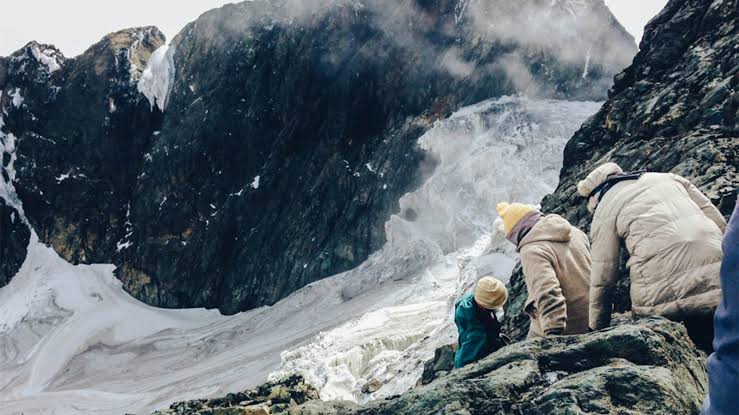
The Rwenzori’s highest peak, Margherita, sits at 5,109 meters on the Uganda-Congo border. It requires glacier travel and basic technical climbing to reach. The approach to the high Rwenzori involves days of trekking through equatorial forests and bogs. This is genuinely demanding in terms of physical effort and mud management in a way that Kilimanjaro’s drier terrain does not require. The range’s remoteness and difficulty mean annual visitor numbers are a fraction of Kilimanjaro’s. Typically a few hundred per year on the climbing routes. This creates a wilderness atmosphere almost completely absent from Kilimanjaro’s main routes. For climbers who want one of Africa’s least-crowded and most botanically extraordinary mountain environments, the Rwenzori is unmatched.
Practical Comparison: Difficulty, Time, and Conditions
The practical differences between the two climbing experiences are significant and determine which is appropriate for which type of climber.
Technical Difficulty
Kilimanjaro’s standard routes require no technical climbing skills whatsoever. The Lemosho and Machame routes involve some basic rock scrambling on the Barranco Wall. But nothing requires rope or protection. Any physically fit person who walks regularly and has prepared adequately can complete a Kilimanjaro non-technical route. The Rwenzori’s Margherita Peak requires glacier travel using crampons and an ice axe and basic rope work on the upper mountain. Climbers without glacier travel experience need a qualified guide and some prior instruction. The route conditions—variable glacier surfaces, frequent weather changes, high humidity—demand mountain experience beyond what Kilimanjaro requires.
The Rwenzori’s non-technical trekking routes are accessible without technical skills. These routes visit the range’s valleys and lower peaks without attempting Margherita. But they remain more challenging than Kilimanjaro’s standard routes because of the terrain conditions. Bog, mud, and dense vegetation create physical demands that are different. But in some respects more taxing than Kilimanjaro’s altitude-dominated challenges. A five-day Rwenzori circuit visit that does not attempt Margherita is a legitimate and deeply rewarding objective. It captures the range’s extraordinary botanical character without requiring glacier skills.
Weather and Conditions
Kilimanjaro has recognizable dry seasons—June through October and January through February. These are when the summit is most consistently accessible and conditions on the upper mountain are most predictable. The Rwenzori has no reliable dry season. The mountains receive rain throughout the year as a consequence of the Congo Basin’s moisture influence. Climbers should expect rain, wet vegetation, and muddy trails on any visit regardless of the calendar. This is not a reason to avoid the Rwenzori. The wetness is inseparable from the extraordinary environment that makes it unique. But climbers must accept this fundamental character difference.
Kilimanjaro’s summit nights can be extremely cold. But the overall climate of the climb follows a logical progression from warm forest to cold summit that is predictable and manageable with appropriate gear. The Rwenzori is cold, wet, and unpredictable at every level. The gear requirements reflect this: waterproof everything, gaiters, waterproof bags for all dry equipment. And the psychological readiness for a mountain experience that is beautiful precisely because it is untamed and wet rather than controlled and dry.
Combining Both Mountains in One East African Trip
For ambitious travelers with adequate time, combining Kilimanjaro and the Rwenzori in a single East Africa itinerary represents one of the finest mountain adventures available on the continent. The two ranges are geographically separated—Kilimanjaro in northeastern Tanzania and the Rwenzori on the Uganda-Congo border. But you can connect them within a 21-day itinerary that also incorporates Ugandan safari parks and potentially gorilla trekking. The contrast between the two climbing environments is part of what makes the combination so memorable. The famous, well-organized, high, and dry Kilimanjaro, followed by the obscure, wet, botanically extraordinary Rwenzori, creates a comprehensive picture of African mountain diversity.
The sequencing for such an itinerary typically begins with Kilimanjaro in Tanzania. Acclimatization gained on the higher mountain benefits the subsequent Rwenzori climbing. The itinerary then moves to Uganda for the Rwenzori, followed by gorilla trekking in Bwindi and a western Uganda safari circuit. This progression covers three of East Africa’s most significant wildlife and mountain experiences within a single trip of genuine depth and diversity.
Plan Your Safari
Kilimanjaro bookings follow the standard Tanzania operator model with TANAPA permit requirements and established gate procedures. Uganda Wildlife Authority manages Rwenzori climbing via Rwenzori Mountaineering Services, the concession holder for technical climbing in the national park. Combining both mountains with safari extensions in Tanzania and Uganda creates a complex multi-country itinerary. A single operator coordinating all logistics provides significant advantages.
African Wild Trekkers operates Kilimanjaro climbs across all standard routes and can coordinate Uganda safari itineraries. These include Rwenzori trekking alongside western Uganda wildlife parks and Bwindi gorilla trekking. African Wild Trekkers handles every element of a combined Tanzania-Uganda mountain and safari itinerary as a single booking with full logistics support.
Contact African Wild Trekkers at africanwildtrekkers.com/contact with your mountain and safari ambitions, and we will design the right East Africa itinerary for your goals within 24 hours.