Game Drive vs Walking Safari vs Boat Safari: Which Is Best for You?
Three Ways to Experience Africa’s Wildlife
Africa safari encompasses far more than the open vehicle game drive that most popular safari imagery presents as the default experience. Walking safaris on foot with an armed professional guide, boat and canoe safaris along Africa’s river and floodplain systems. And specialist activities. Including night drives, horse safaris, camel safaris, and hot air balloon flights. All provide access to the wildlife and landscapes of the African bush from fundamentally different perspectives. Each reveals dimensions of the ecosystem that the others cannot. Understanding what each activity actually delivers, what physical or logistical requirements each involves. And how they complement each other across a multi-day itinerary allows safari travelers to design a program that moves between different modes of bush immersion. Rather than repeating the same vehicle-based experience from dawn to dusk across every day of the trip.
This guide compares the three most widely available and most popular Africa safari activities. Game drives, walking safaris. And boat safaris. Across the key dimensions that travelers use to decide between them. These include wildlife encounter quality, physical requirements, availability, and the specific sensory experience each delivers that the others do not. The answer to which activity is “best” is consistently the same: a combination of all three. The specific itinerary and destination determine which activities to prioritize and how to sequence them across the days available.
Game Drives: The Foundation of Safari
What Game Drives Deliver
Mobility, Range, and Wildlife Density
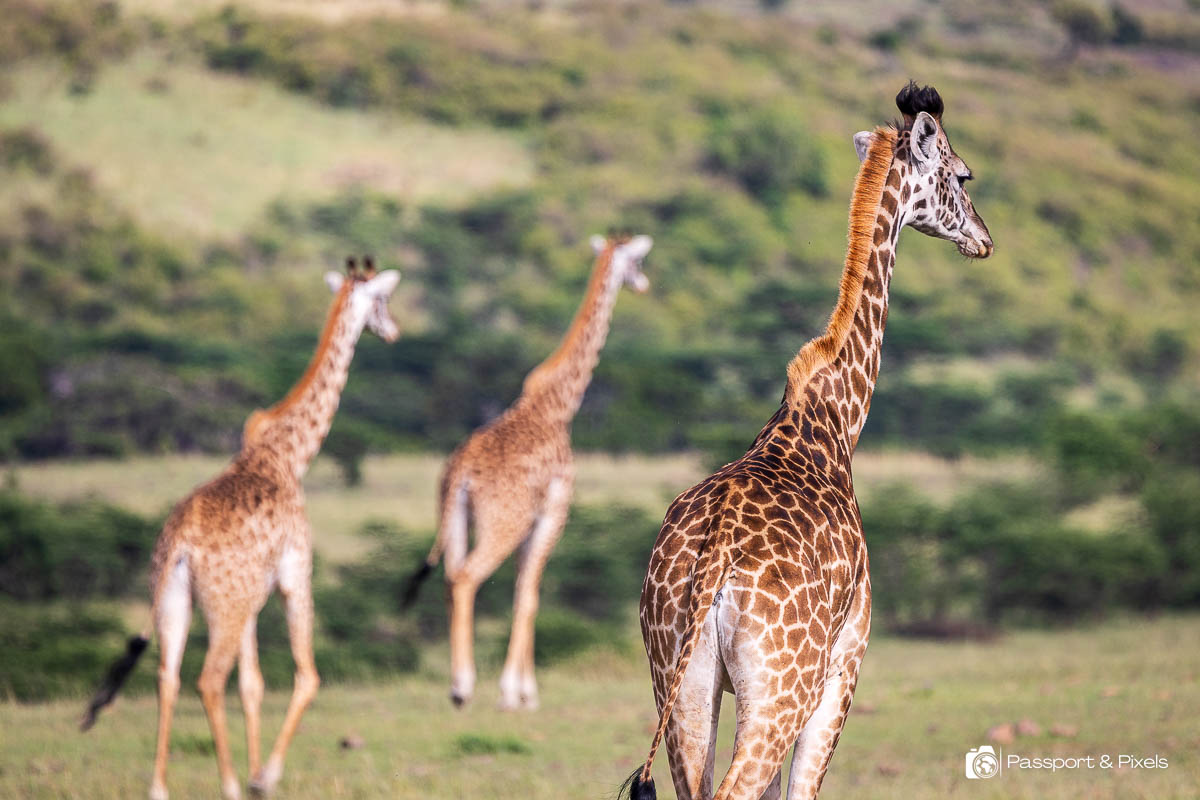
The game drive in an open 4WD safari vehicle provides the most efficient wildlife-per-hour ratio of any Africa safari activity. The vehicle’s mobility allows rapid movement between sighting opportunities across large distances that foot travel cannot cover in the same time. A skilled guide conducting a four-hour morning game drive covers 30 to 80 kilometers of bush tracks. He responds in real time to the radio reports of other vehicles, the flight lines of vultures indicating a carcass. And the tracks and signs read from the vehicle while moving. This produces a wildlife encounter density that the walking or boat format. Constrained by speed and the need to maintain safety distances in appropriate terrain — cannot match. For first-time safari travelers who want to see the most wildlife possible across the full range of mammal species, the game drive is the format that most reliably delivers those encounters in the shortest time. This is particularly true for travelers whose primary objective is encountering the Big Five.
Game drives also provide the best platform for wildlife photography of the three main safari activities. The vehicle serves as a photography platform that eliminates handshake at telephoto distances. Vehicle-habituated animal behavior means wildlife treats the vehicle as a neutral non-threatening presence. In a way it cannot always treat a human on foot. The guide can position the vehicle for optimal light and angle at close range to subjects. The practical photographic limitations of the boat. Vibration, water reflections. And the challenge of swinging a long telephoto lens over the gunwale. Are absent from the game drive platform. The walking safari also presents limitations. Absolute silence and stillness around large mammals may constrain the ability to raise and operate camera equipment at key moments. For serious wildlife photographers, the private vehicle game drive on a private conservancy with an open vehicle allowing 360-degree shooting angles represents the gold standard Africa safari photographic platform.
Walking Safaris: The Bush at Human Scale
What Changes on Foot
Sensory Immersion and Direct Engagement
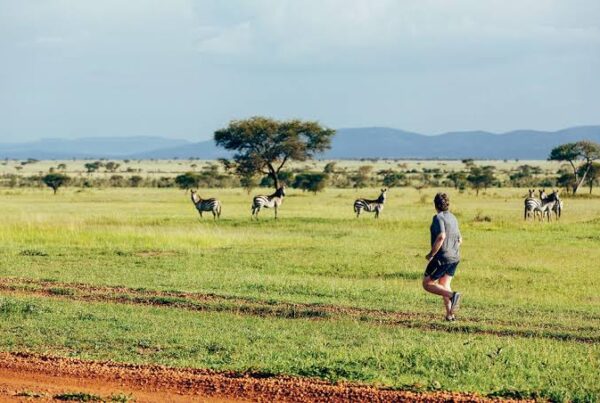
Walking safaris deliver an experience categorically different from vehicle-based game drives. In ways that every participant describes as transformative and that no amount of prior explanation fully captures. On foot in the African bush, every sensory system operates at full intensity. The smell of the bush. Dry grass, elephant dung, the faint musty scent of a recently used game trail, the sudden sharp sweetness of a flowering acacia. Becomes an active source of ecological information rather than background atmosphere. Sound carries information about what is nearby in a way that the vehicle’s engine noise partially masks. The alarm bark of an impala 200 meters ahead tells the walking guide that a predator has passed recently. The silence of birds in a patch of bush means something is resting there. The distant rumble of an elephant herd is a navigational data point that changes route decisions in real time. Walking at human scale through the landscape produces an understanding of how the ecosystem actually functions. The texture of the soil, the density of the undergrowth, the heat of the exposed midday rock. That vehicle-based observation cannot convey in the same direct, physical way.
The wildlife encounters that walking safaris produce differ qualitatively from game drive encounters even when involving the same species. A herd of buffalo encountered at 50 meters on foot. With the guide quietly holding the group still and reading the herd’s behavior to assess its mood. Produces an adrenaline register that no vehicle encounter at the same distance generates. The buffalo knows you are a primate, a potential threat, a thing to be assessed and possibly avoided. That knowledge, shared between guide, buffalo, and guest in the charged silence of the encounter, creates an intimacy with the wild that vehicle-habituated wildlife cannot replicate. Walking safari guides consistently report that first-time walking safari participants emerge from their first walk having experienced Africa’s wildlife more intensely than on any previous game drive. Regardless of how many extraordinary vehicle encounters they have had.
Boat and Canoe Safaris: Africa’s Water Wilderness
What the Water Delivers
Hippos, Elephants, and Riverine Wildlife
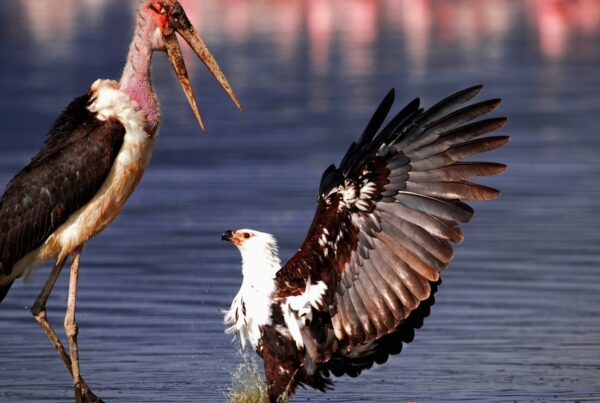
Boat safaris on Africa’s great river systems access a specific wildlife community and an aesthetic register that neither game drives nor walking safaris reach. These systems include the Chobe and Okavango in Botswana, the Zambezi between Zimbabwe and Zambia, the Rufiji in Tanzania’s Selous, the Kazinga Channel in Uganda, and the Nile through Murchison Falls. Hippos, crocodiles, and the vast concentrations of waterbirds. African fish eagle, saddle-billed stork, African skimmer, various egret and heron species, and the colorful diversity of kingfishers — characterize Africa’s river ecosystems. Boat safaris are the essential format for experiencing this water dimension of safari rather than an optional add-on to the terrestrial wildlife focus. Elephant and buffalo herds come to the Chobe and Zambezi river banks in the dry season in densities that no other Africa safari destination matches. Game drive encounters on the Chobe waterfront can produce scenes of 500 elephants gathered within a two-kilometer stretch of river bank. Some of the most visually spectacular wildlife experiences available anywhere in Africa.
Mokoro (dugout canoe) safaris in Botswana’s Okavango Delta offer the most intimate boat safari experience available in Africa. A skilled San Bushman poler stands at the stern and poles the mokoro silently through the Delta’s lily-choked channels. The craft glides within meters of hippos surfacing in the papyrus shallows, past breeding colonies of African jacanas walking on floating lily pads. And into reed-lined backwaters where sitatunga antelope stand chest-deep in the floodwater. The silence of the mokoro. No engine, no mechanical vibration, only the soft swish of the pole and the bird calls from the papyrus. Creates a quality of immersion that boat engine noise cannot achieve. The proximity to waterline wildlife that the low mokoro profile permits exceeds what any motorized boat achieves at the same locations. A combination of motorized boat game drives along the main Okavango channels and mokoro excursions into the shallower inner Delta waterways delivers the full spectrum of the Delta’s wildlife and aesthetic in a single Okavango Delta safari itinerary.
Combining All Three
The most rewarding Africa safari itineraries combine all three activity formats across the days available. Each is used for the specific wildlife community and experiential quality it delivers most effectively. A standard structure in South Luangwa. Zambia’s finest walking safari destination. Combines early morning game drives (when predator activity peaks), mid-morning walking safaris (when tracking conditions are optimal before the heat peaks), afternoon rest. And evening game drives that transition into night drives as darkness falls. This covers the full 24-hour activity cycle of the ecosystem from multiple physical perspectives. Adding a boat safari component through the Luangwa River or Kafue River when water levels permit completes the aquatic wildlife dimension that land-based activities leave unexplored. The specific combination most appropriate for any given itinerary depends on the destination’s offerings, the traveler’s physical capability. And the balance between wildlife encounter density and sensory immersion experience that individual travelers prioritize. That is exactly the conversation that a skilled Africa safari specialist helps their clients have before the itinerary is finalized.
Plan Your Safari
African Wild Trekkers designs every itinerary to include the optimal combination of game drives, walking safaris. And boat or water-based activities for each specific destination. Rather than defaulting to a single activity format and filling the remaining days with repetition. We know which specific parks and private concessions offer the best walking safari experiences (South Luangwa, Mana Pools, Hwange, Lewa), the finest boat safari circuits (Chobe, Okavango mokoro, Kazinga Channel, Murchison Falls). And the most rewarding private concession game drive environments across East and Southern Africa.
We match each activity to the traveler’s physical condition, risk tolerance. And experiential priorities. Never recommending a walking safari to clients whose mobility or medical condition makes it inappropriate. And never defaulting to vehicle-only formats for clients who will find the walking and water dimensions of the bush the most transformative part of their experience.
Contact African Wild Trekkers at africanwildtrekkers.com/contact with your destination preferences, travel dates. And activity interests and we will design a multi-activity safari itinerary within 24 hours.