info@africanwildtrekkers.com

Best time to Visit the Democratic Republic of Congo
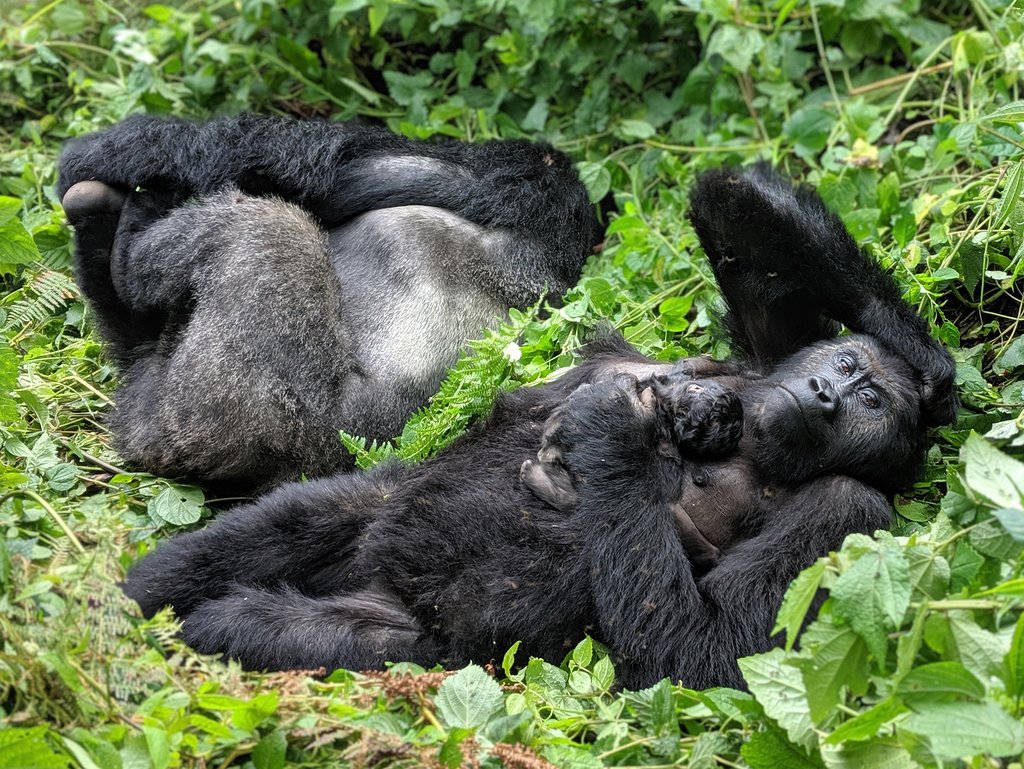
Best Time to Visit Congo. The Democratic Republic of Congo offers some of Africa’s deepest rainforest adventures, from lowland gorilla trekking in Kahuzi-Biega to untouched wilderness experiences in the Congo Basin. The country sits along the equator, so the climate stays warm and humid throughout the year, with seasons shaped more by rainfall than temperature. Understanding these patterns helps travellers plan the ideal journey based on comfort, accessibility, and the type of wildlife experience they want to enjoy.
Understanding Congo’s Climate
Congo’s equatorial position creates a climate defined by heavy rains, lush vegetation, and stable temperatures. Days remain warm with high humidity, while nights cool slightly as mist settles over the forest canopy. Rainfall determines trail conditions and influences gorilla behaviour, accessibility to remote areas, and the overall flow of travel. The year divides into two dry seasons and two wet seasons, each offering a different atmosphere in the rainforest.
The Dry Seasons – Best Time for Gorilla Trekking
June to September and December to February
During the dry seasons, rainfall reduces and the forest becomes easier to navigate. Trails feel firmer underfoot, river crossings become more predictable, and visibility improves through the dense vegetation. Gorillas often stay closer to the ground as food availability shifts, which increases the chances of extended sightings.
The long dry season from June to September brings excellent conditions for trekking in both Kahuzi-Biega and the broader Congo Basin. The air feels lighter and the terrain stays manageable, creating smooth travel days and rewarding wildlife encounters. The shorter dry season from December to February offers similar advantages with crisp mornings, stable weather, and fewer muddy patches on steeper forest slopes. These months remain particularly attractive for travellers seeking comfort, predictability, and the highest chance of successful gorilla encounters.
The Wet Seasons – Green, Quiet and Intensely Wild
March to May and October to November
Congo transforms during the wet seasons as rain enriches the forest and creates a deep green landscape. Trails become softer and sometimes slippery, but the rainforest’s energy intensifies. Rivers swell, leaves thicken, and wildlife responds to fresh growth. These months feel remote because lodge occupancy drops and parks stay quiet, giving travellers a more private and immersive experience.
March to May brings the heaviest rains of the year. The forest becomes a dramatic mix of mist, sound, and colour, and photographers enjoy the rich tones that appear after rainfall. October and November introduce the short rains, when showers arrive mainly in the afternoon but leave many clear mornings for trekking. Birding also becomes exceptional during these months as migratory species arrive throughout the rainforest.
Month-by-Month Travel Guide
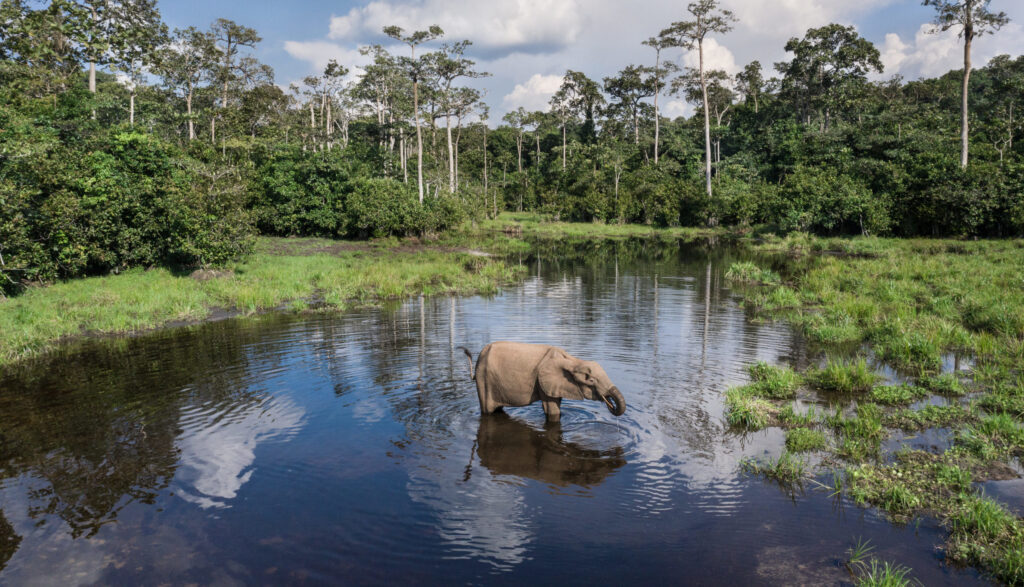
January welcomes dry conditions and comfortable trekking. February continues the short dry season with clearer skies and stable trails. March signals the arrival of the long rains as the forest thickens. April brings heavier downpours and slower movement inside the parks. May stays wet but offers beautiful scenery for travellers who enjoy dramatic rainforest landscapes.
June begins the long dry season and improves accessibility. July strengthens these conditions and provides excellent chances for gorilla tracking. August remains one of the best months for wildlife activity, especially around feeding areas. September closes the long dry stretch with bright skies and good visibility.
October introduces the short rains, creating a balance between sunshine and showers. November deepens these rains but remains rewarding for travellers who enjoy fewer crowds. December restores dry conditions and offers a wonderful festive-season safari atmosphere.
Weather Comparison Chart
Below is a simplified climate table showing how rainfall and temperature vary through the year in eastern DRC (Kahuzi-Biega region). These patterns reflect most rainforest areas of the Congo Basin.
| Month | Rainfall (mm) | Avg. Temp (°C) | Travel Conditions |
|---|---|---|---|
| January | 120 | 24 | Short dry season with steady trekking |
| February | 140 | 24 | Dry spells and comfortable forest walks |
| March | 200 | 24 | Rains increase and forests thicken |
| April | 230 | 23 | Peak of long rains with heavier humidity |
| May | 210 | 23 | Wet but scenic with fewer travellers |
| June | 100 | 23 | Start of long dry season and firmer trails |
| July | 80 | 22 | Best trekking month with crisp mornings |
| August | 60 | 22 | Excellent conditions and active wildlife |
| September | 90 | 23 | Dry season continues with warm afternoons |
| October | 180 | 24 | Short rains return and forests turn lush |
| November | 200 | 24 | Wet and green with great birding |
| December | 130 | 24 | Dry conditions return and trekking improves |
Final Thoughts – So When Should You Visit Congo?
The best overall time to visit the Democratic Republic of Congo is during the two dry seasons from June to September and December to February. These months offer stability, clear experiences, and the easiest trekking conditions. Travellers interested in photography, birding, or a quiet forest atmosphere may find the wet seasons equally rewarding, especially if they prefer solitude and dramatic landscapes.
Congo remains a year-round destination for gorilla trekking and rainforest adventure. Every season reveals a different personality of the Congo Basin, and travellers can tailor their trip to match the style of exploration they want.
Plan Your Congo Safari
Your journey into Congo’s rainforest deserves professional guidance, reliable logistics, and the right timing.
For tailored itineraries, permit arrangements, and expert planning, inquire and book with us today.
We are ready to design a seamless and memorable experience in the heart of the Congo Basin.