Mountains of the Moon
Introduction: The Legendary Mountains of the Moon
In East Africa, the mystical Rwenzori Mountains, known as Mountains of the Moon, straddle Uganda and Democratic Republic of Congo.
Mount Stanley’s Margherita Peak rises to 5,109 meters, making this range Africa’s third-highest mountain system after Kilimanjaro and Kenya.
Ancient geographer Ptolemy named them Mountains of the Moon, believing they were the legendary source of the Nile River.
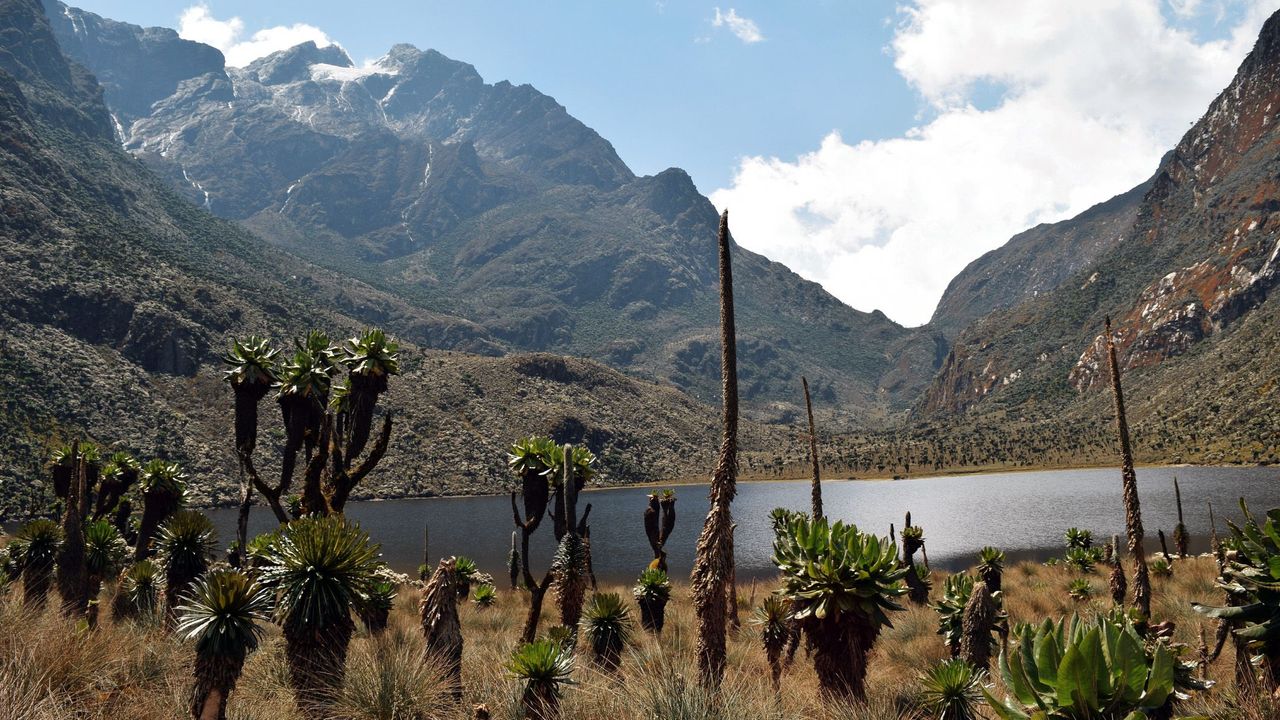
Today, the Rwenzoris attract visitors with dramatic scenery, unique biodiversity, and challenging trekking experiences across spectacular alpine landscapes. Geography and Location
Geographical location of the rwenzori.
The Rwenzori Mountains run along the western branch of the Great Rift Valley with permanently glacier-covered peaks near equator.
Located in western Uganda, the range is easily accessed from Kampala, Fort Portal, and Kasese for adventurous East African travelers.
Unique Ecosystems of the Rwenzori
The Mountains of the Moon feature extraordinary ecological diversity, with trekkers passing through several distinct vegetation zones during ascent journeys.
Montane rainforests contain monkeys, colorful birds, and tall trees, creating a rich biodiversity zone at lower mountain elevations.
Bamboo forests, heather moorlands, and afro-alpine zones feature giant lobelias, groundsels, glaciers, and rocky high-altitude landscapes.
This ecological richness earned the Rwenzori Mountains UNESCO World Heritage Site status for exceptional natural beauty and biodiversity value.
Trekking in the Mountains of the Moon
Trekking the Mountains of the Moon remains one of Africa’s most challenging and rewarding high-altitude mountain climbing adventures today.
The ultimate highlight involves reaching Margherita Peak on Mount Stanley after seven to nine days of demanding expedition trekking.
Routes pass wetlands, steep ridges, alpine valleys, and glaciers, creating an unforgettable multi-day high-altitude wilderness experience for climbers.
Shorter trails in Rwenzori Mountains National Park offer scenic hikes through forests, waterfalls, and panoramic viewpoints for day visitors.
Cultural Significance of the Rwenzori’s
The Bakonzo people regard the Rwenzori Mountains as sacred, believing they house powerful gods and spirits controlling fertility.
Oral traditions and legends strengthen cultural connections, linking generations of Bakonzo communities to the Mountains of the Moon landscape.
Visiting the mountains offers travelers both natural adventure and meaningful cultural immersion into living indigenous spiritual heritage systems.
Best Time to Visit the Rwenzori’s
The best trekking seasons occur from December to February and June to August, offering clearer skies and stable conditions.
However, unpredictable mountain weather means visitors must always prepare for rain, cold temperatures, and muddy trekking trail conditions year-round.
Wildlife of the Rwenzori’s
The Mountains of the Moon support diverse wildlife, including rare and endemic species across forests and alpine ecosystems.
Visitors may encounter forest elephants, duikers, chameleons, colobus monkeys, and the colorful Rwenzori turaco throughout protected park areas.
Birdwatchers especially enjoy the region, with more than 217 recorded bird species inhabiting this biodiverse mountain ecosystem.
Plan Your Rwenzori Adventure With Us
Conquering the Mountains of the Moon offers a once-in-a-lifetime experience combining physical challenge, culture, and natural exploration opportunities.
African Wild Trekkers provides guided Rwenzori expeditions, Bakonzo cultural tours, and safari packages across Uganda’s most iconic destinations.
Travelers can combine mountain trekking with gorilla tracking in Bwindi or wildlife safaris in Queen Elizabeth National Park.
Whether seeking adventure, wildlife, or culture, we create unforgettable journeys through the legendary Mountains of the Moon experience.