Nyakagezi Gorilla Trek: A Complete Guide to Gorilla Trekking in Mgahinga National Park
Nyakagezi Gorilla Trek takes you deep into the volcanic landscapes of Mgahinga National Park in southwestern Uganda. This trek leads you to the only habituated gorilla family in the park, the Nyakagezi group, which lives on the slopes of the Virunga Mountains. The experience feels intimate, scenic, and highly rewarding because the trek combines dramatic volcanic terrain with one of Africa’s most stable mountain gorilla families.
Unlike other gorilla trekking destinations in Uganda, Mgahinga offers a quieter and more focused wildlife experience. Every trek leads to the same family, yet each encounter feels different because gorillas behave naturally and respond to their environment in unique ways each day.
Understanding the Nyakagezi Gorilla Family
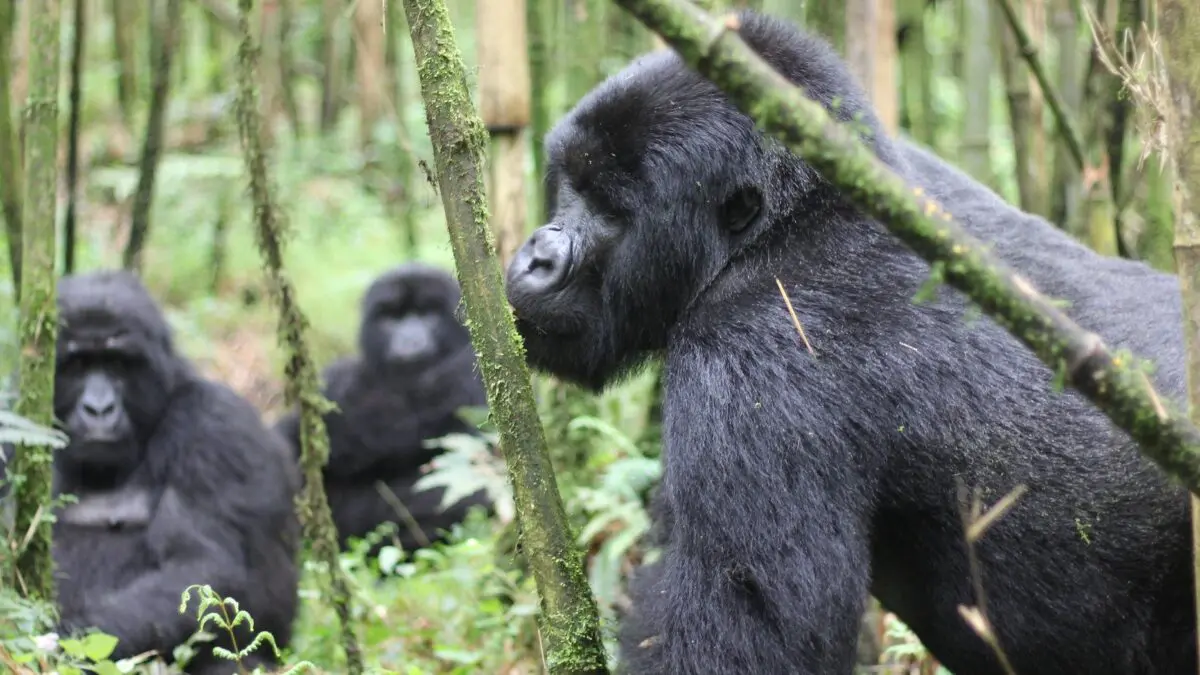
The Nyakagezi gorilla family forms the heart of all trekking experiences in Mgahinga National Park. This group stands out because it includes multiple adult silverbacks, a rare structure among mountain gorillas. The group often includes dominant male Mark, along with other strong silverbacks such as Mafia, Rukundo, and Gwigi, depending on internal movements within the group.
This family once moved across Uganda, Rwanda, and the Democratic Republic of Congo. Their mobility made tracking difficult for conservation teams in earlier years. Over time, they settled more consistently within Uganda’s Mgahinga sector, where protection measures improved stability and tourism access.
Today, the Nyakagezi group remains the only habituated gorilla family in the park, and all trekking activities focus on them.
The Experience of Nyakagezi Gorilla Trek
Nyakagezi Gorilla Trek begins at the park headquarters in Ntebeko, where rangers brief visitors about rules, safety, and trekking expectations. The briefing sets the tone for a structured but adventurous journey into the volcanic forest.
Rangers then lead small groups into the forest in search of the gorillas. The trek can take anywhere from one hour to several hours depending on the movement of the family. The terrain shifts constantly, and trekkers walk through bamboo forests, montane vegetation, and open volcanic slopes.
The search itself forms part of the experience. Fresh broken bamboo, nesting signs, and vocal calls guide rangers toward the family. Once trekkers locate the Nyakagezi group, the atmosphere changes immediately. The forest quiets, and the focus shifts entirely to observation.
Gorilla Behavior During the Trek
The Nyakagezi family often displays calm and social behavior when visited by trekkers. Silverbacks maintain awareness of their surroundings but rarely show aggression unless they sense disturbance. Their calm presence allows visitors to observe natural behavior without disruption.
Females often feed or groom infants during visits. These grooming sessions strengthen social bonds and reduce tension within the group. Infants move quickly between their mothers and nearby juveniles, creating playful scenes that highlight the emotional depth of gorilla families.
Juveniles often react with curiosity when they notice human visitors. They may climb low branches, play nearby, or pause briefly to observe trekkers. These moments often become the most memorable part of the trek.
Terrain and Landscape of Mgahinga National Park
Nyakagezi Gorilla Trek takes place in one of Uganda’s most dramatic landscapes. Mgahinga National Park sits on volcanic terrain formed by Mount Muhabura, Mount Gahinga, and Mount Sabinyo. These volcanoes create steep slopes, rich soils, and dense vegetation that support gorilla habitats.
The bamboo zone dominates much of the trekking route. This vegetation provides both food and shelter for gorillas. Bamboo shoots form a major part of their diet, especially in certain seasons when the shoots remain tender and nutrient-rich.
As trekkers move higher, the vegetation shifts into Hagenia forests and open slopes. These transitions create clear visibility at times, allowing trekkers to enjoy panoramic views of the Virunga volcanoes.
Best Time for Nyakagezi Gorilla Trek
Nyakagezi Gorilla Trek takes place throughout the year, but seasonal conditions influence the trekking experience. The dry seasons, which usually occur from June to September and December to February, offer easier hiking conditions. Trails remain less slippery, and visibility improves in many sections of the forest.
The wet seasons also provide strong trekking opportunities, especially for travelers who prefer lush green landscapes and fewer crowds. Rainfall makes the forest more vibrant, and gorillas often remain active in lower vegetation zones.
Regardless of the season, rangers continue tracking the Nyakagezi family daily, which ensures consistent trekking success.
Physical Requirements for the Trek
Nyakagezi Gorilla Trek requires moderate physical fitness. The terrain includes steep slopes, loose volcanic soil, and uneven forest paths. Trekkers need to walk at a steady pace while following ranger guidance.
Porters often assist visitors who want extra support during the trek. They carry bags, provide stability on steep sections, and help reduce physical strain. This support allows trekkers to focus fully on the experience rather than the difficulty of the terrain.
Preparation also plays an important role. Proper hiking boots, layered clothing, and sufficient hydration improve comfort during the trek.
Conservation Role of the Nyakagezi Trek
Nyakagezi Gorilla Trek contributes directly to the protection of mountain gorillas in Mgahinga National Park. Tourism revenue supports anti-poaching efforts, ranger salaries, and habitat conservation programs.
The stability of the Nyakagezi family reflects years of coordinated conservation efforts between Uganda Wildlife Authority and cross-border partners in Rwanda and the DRC. These efforts protect not only gorillas but also the entire Virunga ecosystem.
Local communities around Mgahinga benefit from tourism through employment and community development initiatives. This connection strengthens conservation success and reduces pressure on forest resources.
Why Nyakagezi Gorilla Trek Feels Unique
Nyakagezi Gorilla Trek feels different because of its exclusivity. Only one habituated gorilla family lives in the park, which creates a focused and personal experience. Visitors do not compete with large tourist groups, and trekking routes feel more natural and less crowded.
The volcanic scenery adds another layer of uniqueness. Few gorilla destinations combine bamboo forests, open volcanic slopes, and panoramic mountain views in a single trek.
The social structure of the Nyakagezi family also adds to the experience. Multiple silverbacks living together create dynamic interactions that trekkers rarely see in other gorilla families.
Responsible Behavior During the Trek
Nyakagezi Gorilla Trek follows strict conservation rules that protect both gorillas and visitors. Rangers enforce a minimum distance from the gorillas to reduce disease transmission and stress. Visitors also limit interaction time to one hour once they locate the family.
Trekkers avoid loud noise, sudden movements, or direct eye contact that may disturb gorillas. These guidelines ensure that the Nyakagezi family continues to live naturally without human interference.
Responsible trekking also supports long-term conservation goals by maintaining trust between wildlife and tourism activities.
The Future of Nyakagezi Gorilla Trek
Nyakagezi Gorilla Trek continues to grow in importance within Uganda’s tourism sector. Conservation authorities maintain strong monitoring systems to protect the family’s health and stability.
Future developments may include expanded trekking infrastructure or additional habituation programs, but any changes will prioritize ecological balance. The Nyakagezi family will remain central to Mgahinga’s identity as a protected gorilla habitat.