Is Kilimanjaro Safe to Climb?
Climbing Mount Kilimanjaro is often described as challenging but achievable. One of the most common questions asked by first-time climbers is whether Kilimanjaro is safe. The short answer is yes—Kilimanjaro is safe to climb when approached responsibly, with proper preparation, experienced guides, and realistic expectations.
Safety on Kilimanjaro depends less on technical difficulty and more on health management, decision-making, and respect for the mountain’s conditions.
Understanding the Real Risks on Kilimanjaro
Kilimanjaro does not involve ropes, ice axes, or advanced climbing techniques, which makes it accessible to non-technical hikers. However, its altitude of 5,895 meters introduces serious physiological challenges. Most safety concerns on the mountain stem from altitude, weather, and physical exhaustion rather than accidents or falls.
The majority of incidents occur when climbers underestimate the effects of altitude or attempt the climb too quickly.
Altitude Sickness: The Primary Safety Concern
Altitude sickness is the biggest risk on Kilimanjaro. As elevation increases, oxygen levels drop, placing stress on the body. Symptoms can include headaches, nausea, dizziness, fatigue, and sleep disruption. In rare cases, severe forms such as HAPE or HACE can develop, which are medical emergencies.
Kilimanjaro is safe because descent is always possible. Unlike technical peaks, the routes allow guides to bring climbers down quickly if symptoms worsen. Early detection and immediate response are what make the mountain manageable.
The Role of Professional Guides and Operators
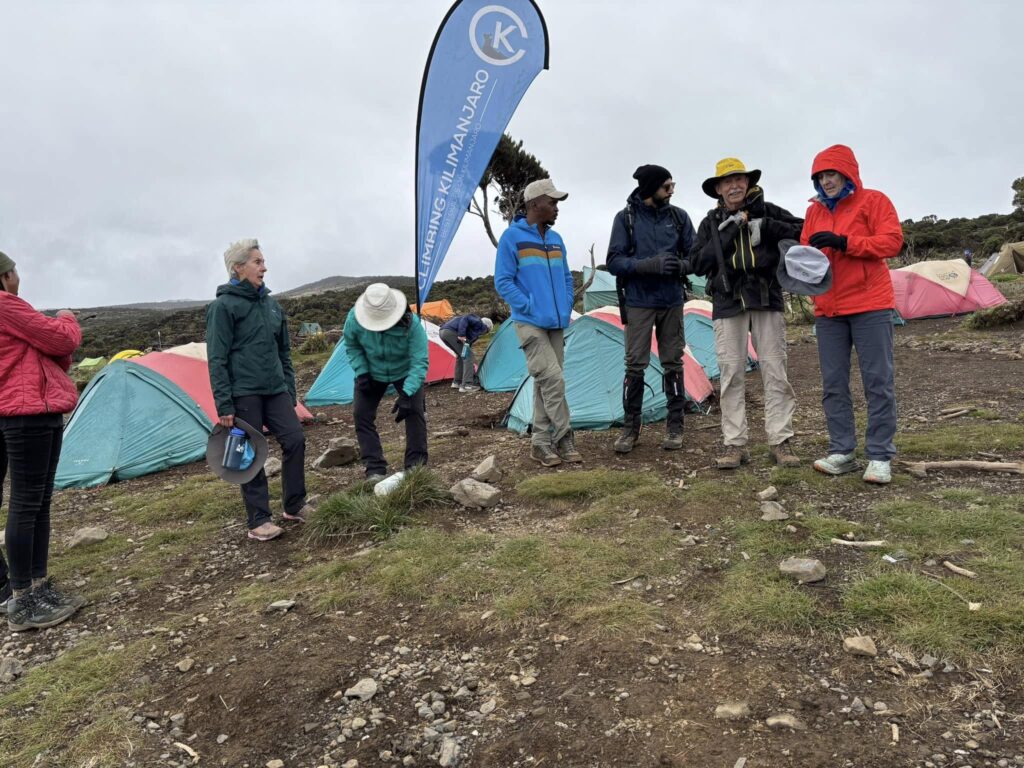
Climbing Kilimanjaro independently is not permitted. All climbers must use licensed guides, which significantly improves safety. Professional guides are trained to recognize altitude symptoms, monitor climbers daily, and make critical decisions about pacing or descent.
Reputable operators carry oxygen, first aid kits, and emergency protocols. This structured support system is a major reason Kilimanjaro has a strong safety record compared to other high-altitude mountains.
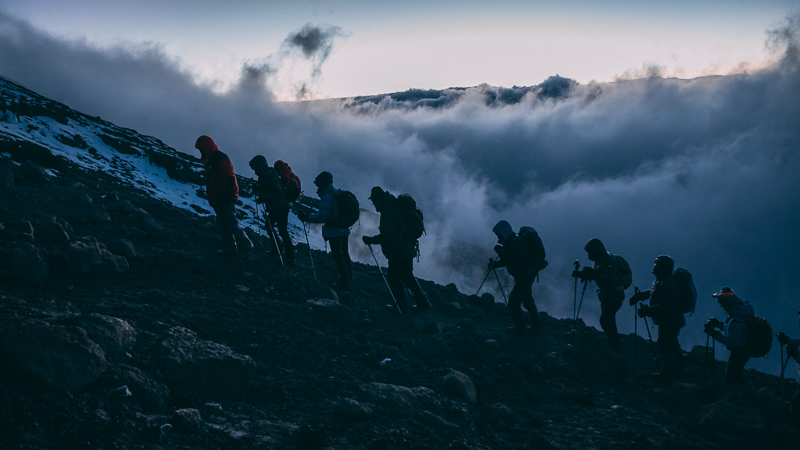
Route Choice and Safety
Not all Kilimanjaro routes offer the same level of safety. Shorter routes increase the risk of altitude sickness due to rapid ascent. Longer routes allow better acclimatization and are statistically safer.
Choosing a route with adequate acclimatization days is one of the most important safety decisions a climber can make. A slower climb significantly reduces medical risk.
Weather and Environmental Safety
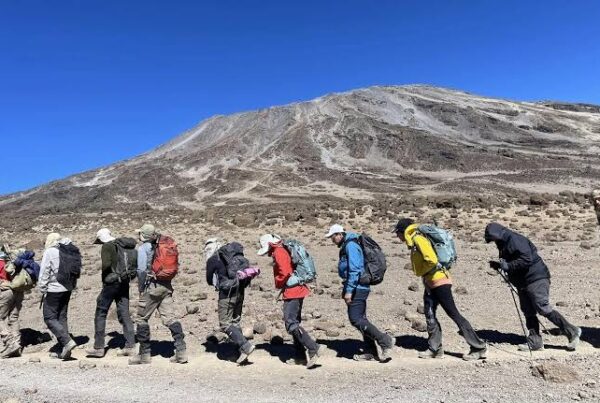
Kilimanjaro’s weather can change quickly. Climbers pass through multiple climate zones, from rainforest to arctic conditions, in just a few days. Cold temperatures, strong winds, and snow are common near the summit.
Proper clothing, layering, and weather awareness are essential. Most safety issues related to weather arise from poor gear or inadequate preparation rather than extreme conditions themselves.
Physical Fitness and Personal Responsibility
While Kilimanjaro does not require elite fitness, climbers should arrive in good physical condition. Cardiovascular endurance, leg strength, and mental resilience improve safety and comfort on the mountain.
Equally important is personal responsibility. Listening to guides, staying hydrated, eating properly, and reporting symptoms honestly all play a role in maintaining safety.
Emergency Response and Rescue on Kilimanjaro
Kilimanjaro National Park has established rescue systems, including ranger teams and evacuation procedures. Helicopter evacuation is possible in severe cases, although descent by foot is the most common and effective response.
The presence of these systems adds an extra layer of safety, but they should never replace proper preparation and cautious decision-making.
Is Kilimanjaro Safe for First-Time Climbers?
Yes, Kilimanjaro is considered one of the safest high-altitude mountains for first-time climbers, provided they choose the right route and operator. Thousands of people with no prior mountaineering experience successfully reach the summit every year.
Success and safety depend on patience, acclimatization, and following professional guidance—not on speed or physical dominance.
Common Misconceptions About Kilimanjaro Safety
Many people believe Kilimanjaro is either extremely dangerous or completely easy. Both views are incorrect. The mountain is serious but manageable. It demands respect, preparation, and humility rather than fear.
Most accidents are preventable and linked to rushing, dehydration, ignoring symptoms, or choosing poor itineraries.
Final Verdict: Is Kilimanjaro Safe?
Kilimanjaro is safe to climb for well-prepared travelers who respect altitude, choose reputable guides, and prioritize health over summit ambition. It is not a casual hike, but it is far from reckless when done correctly.
With the right mindset and preparation, Kilimanjaro offers a challenging yet safe adventure—one that rewards climbers with extraordinary landscapes, personal achievement, and lifelong memories.