What to Do if You Get Injured on Mount Kilimanjaro
First aid Kilimanjaro. Climbing Mount Kilimanjaro is an exhilarating experience, but trekking at high altitude and over rugged terrain carries some risks. Even minor injuries like blisters or sprains can affect your progress, while more serious issues may require immediate attention. Knowing how to respond to injuries can protect your health, prevent complications, and help you continue your trek safely.
- Stay Calm and Assess the Situation
The first step after any injury is to stay calm. Panicking can worsen the situation. Assess the severity of your injury: identify the location, type (cut, sprain, blister, altitude-related illness), and whether it affects your ability to continue trekking safely.
-
Inform Your Guides Immediately
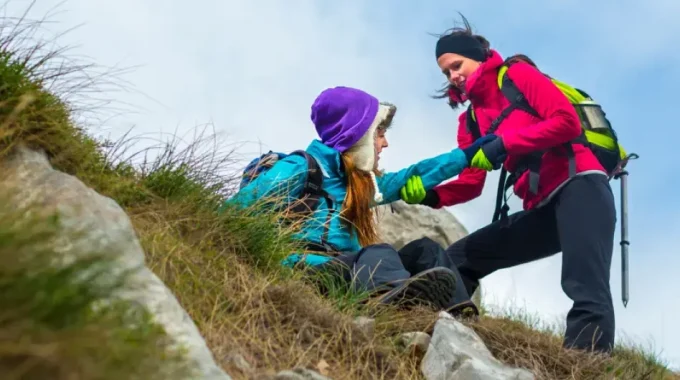
Your guides are trained to handle injuries and emergencies. Alert them as soon as possible, even for minor injuries. Guides can provide first aid, monitor your condition, and make decisions about continuing the trek, resting, or descending if necessary.
-
Administer Basic First Aid
Most trekking operators carry a comprehensive first aid kit. For common injuries:
- Blisters: Clean the area, apply antiseptic, and cover with a protective dressing. Avoid popping large blisters.
- Sprains or Strains: Rest the affected limb, elevate if possible, and apply a cold compress. Use a bandage or brace to stabilize.
- Cuts or Abrasions: Clean with antiseptic, apply an antibiotic ointment, and cover with a sterile bandage.
- Altitude-Related Symptoms: Hydrate, rest, and descend if symptoms worsen (headache, nausea, dizziness).
-
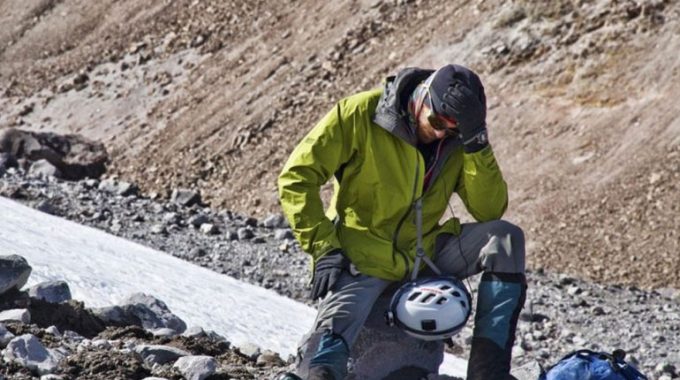
Rest and Avoid Further Strain
Depending on the injury, rest may be the most important step. Continuing to trek with a sprain, strain, or severe fatigue can worsen the condition. Listen to your body and follow your guide’s recommendations.
-
Stay Hydrated and Maintain Nutrition
Even while injured, it’s important to drink plenty of water and eat balanced meals. Proper hydration and nutrition support recovery, maintain energy levels, and reduce fatigue that can exacerbate injuries.
-
Use Supportive Gear if Needed
Trekking poles, braces, or wraps can help stabilize an injury and reduce pressure while walking. Proper footwear and padding can also prevent further harm, especially on uneven terrain.
-
Monitor for Signs of Serious Complications
Some injuries or conditions require immediate evacuation. Watch for:
- Severe pain or inability to move a limb
- Persistent bleeding that doesn’t stop with pressure
- Signs of infection (redness, swelling, pus, fever)
- Severe altitude sickness symptoms (shortness of breath, confusion, persistent vomiting)
If any of these occur, your guide will coordinate a safe and rapid descent to medical facilities.
-
Document and Communicate Symptoms
Keep track of how your injury develops and any symptoms you experience. Clear communication with your guides helps them provide better care and ensures you make safe decisions about continuing the trek.
Conclusion
Injuries on Mount Kilimanjaro can range from minor blisters to serious altitude-related conditions. Staying calm, informing your guides, administering basic first aid, and resting appropriately are key to managing most situations. Being prepared, listening to your body, and following your guide’s advice ensures that you stay safe and maximize your chances of completing the trek successfully.