The Importance of Hydration During Your Kilimanjaro Climb
Hydration is one of the most critical—and often underestimated—factors when climbing Mount Kilimanjaro. Many climbers focus on fitness, gear, and altitude preparation, yet fail to drink enough water as they ascend. At high altitude, dehydration develops quickly and can seriously affect acclimatization, energy levels, and overall safety.
Proper hydration is not optional on Kilimanjaro. It is a fundamental requirement for reaching the summit in good health.
Why Hydration Is Crucial at High Altitude
As you climb Kilimanjaro, your body loses fluids at a much faster rate than at sea level. High altitude increases respiration, meaning you lose water with every breath. Cold, dry air further accelerates dehydration, even when you do not feel hot or sweaty.
In addition, altitude suppresses thirst. Many climbers simply do not feel the urge to drink, even when their bodies desperately need fluids. This combination makes dehydration one of the most common issues on the mountain.
Hydration and Altitude Sickness
Dehydration directly worsens the symptoms of altitude sickness. Headaches, nausea, dizziness, fatigue, and loss of appetite are all intensified when fluid levels drop. While drinking water does not prevent altitude sickness entirely, staying well hydrated significantly improves your body’s ability to acclimatize.
Many climbers who struggle on Kilimanjaro later discover that inadequate hydration was a major contributing factor. Drinking consistently throughout the day supports oxygen delivery, circulation, and overall physical performance.
How Much Water You Should Drink on Kilimanjaro
Most climbers should aim to drink at least three to four liters of water per day on Kilimanjaro. On longer trekking days or during summit night, this amount may increase. Guides often say that clear or pale-yellow urine is the best indicator of proper hydration.
Small, frequent sips are more effective than drinking large amounts at once. Waiting until you feel thirsty usually means you are already dehydrated.
The Role of Warm Fluids and Electrolytes
Cold temperatures and altitude can make plain water unappealing, especially in the mornings and evenings. Warm drinks such as tea, soup, or ginger-infused water help maintain fluid intake when appetite and thirst decrease.
Electrolytes are also important. Sweating, breathing, and altitude-related fluid loss reduce sodium and other minerals in your body. Adding electrolyte tablets or powders to one bottle each day helps maintain balance and reduces the risk of headaches and muscle cramps.
Hydration Challenges on Summit Night
Summit night is when hydration becomes most difficult and most important. Cold temperatures cause water bottles and hydration hoses to freeze, while fatigue makes drinking feel like an effort. Many climbers drink far less than they should during the final ascent.
Using insulated bottle covers, storing water bottles upside down, and sipping regularly even when uncomfortable can prevent dehydration during this critical phase. Proper hydration on summit night supports energy, mental clarity, and physical resilience.
The Link Between Hydration and Energy Levels
Water plays a vital role in digestion and energy production. Dehydration reduces blood volume, making your heart work harder and increasing fatigue. It also interferes with your body’s ability to process food efficiently.
On Kilimanjaro, where appetite is often reduced, dehydration can compound weakness and exhaustion. Drinking enough water helps maintain strength and improves your ability to keep moving steadily throughout the climb.
Hydration and Cold-Weather Risks
Dehydration increases susceptibility to cold-related problems. When fluid levels drop, circulation becomes less efficient, making it harder for your body to stay warm. This can increase the risk of chills, discomfort, and reduced dexterity in hands and feet.
Staying hydrated supports temperature regulation, helping your body cope better with freezing conditions near the summit.
Practical Hydration Tips for Kilimanjaro Climbers
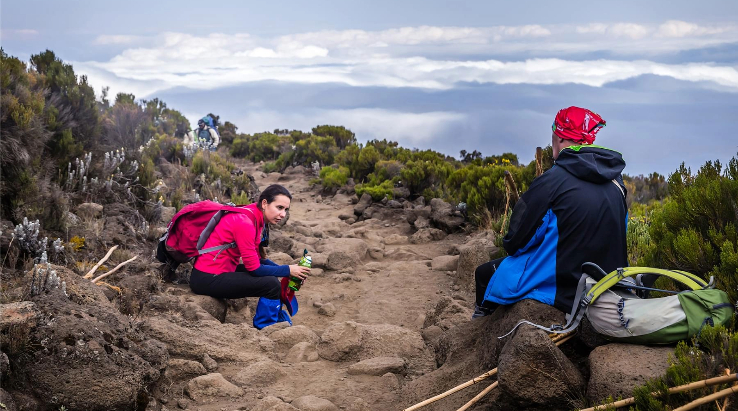
Successful climbers build hydration into their daily routine. Drinking water immediately upon waking, sipping consistently on the trail, and finishing at least one bottle before lunch helps maintain steady intake. At camp, warm drinks and soups contribute significantly to hydration.
Guides often remind climbers to “drink, drink, drink” for a reason. Consistency matters more than occasional large intakes.
Why Hydration Can Determine Summit Success
Many failed summit attempts are not caused by lack of fitness, but by dehydration combined with altitude stress. A well-hydrated body copes better with oxygen deprivation, fatigue, and cold. Hydration supports every system your body relies on during the climb.
Reaching Uhuru Peak is not only about strength and determination. It is about giving your body what it needs to function under extreme conditions.
Final Thoughts
Hydration is one of the simplest yet most powerful tools for a successful Kilimanjaro climb. By drinking enough water, using electrolytes wisely, and staying disciplined even when conditions are harsh, you dramatically improve your comfort, safety, and chance of reaching the summit.
On Kilimanjaro, water is not just fuel—it is survival.