The Challenges of Climbing Kilimanjaro
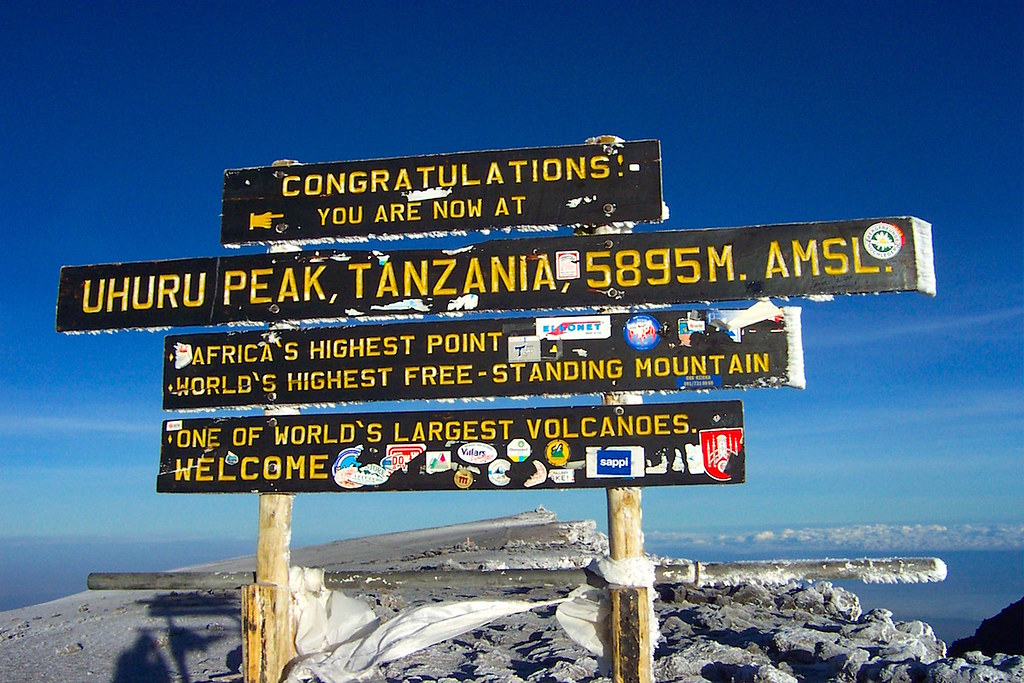
Climbing Mount Kilimanjaro is one of Africa’s most iconic adventure experiences. Rising to 5,895 meters above sea level, Mount Kilimanjaro is the tallest mountain on the continent and the highest free-standing mountain in the world. While it does not require ropes or technical climbing skills, Kilimanjaro presents serious physical, mental, and environmental challenges that many climbers underestimate.
Understanding these challenges before you set foot on the mountain is essential for safety, enjoyment, and summit success.
Altitude: The Greatest Challenge on Kilimanjaro
Altitude is the single most difficult obstacle when climbing Kilimanjaro. As you ascend quickly from rainforest to arctic conditions, oxygen levels drop dramatically. Above 3,000 meters, many climbers begin to feel the effects of altitude, including headaches, nausea, dizziness, fatigue, and shortness of breath.
Summit night is especially demanding. Climbers begin the final ascent around midnight, moving slowly in freezing temperatures while oxygen availability is nearly half of that at sea level. Even strong, fit hikers can struggle if acclimatization is insufficient. This is why slow ascent rates and longer itineraries are critical to success.
Physical Endurance and Long Trekking Days
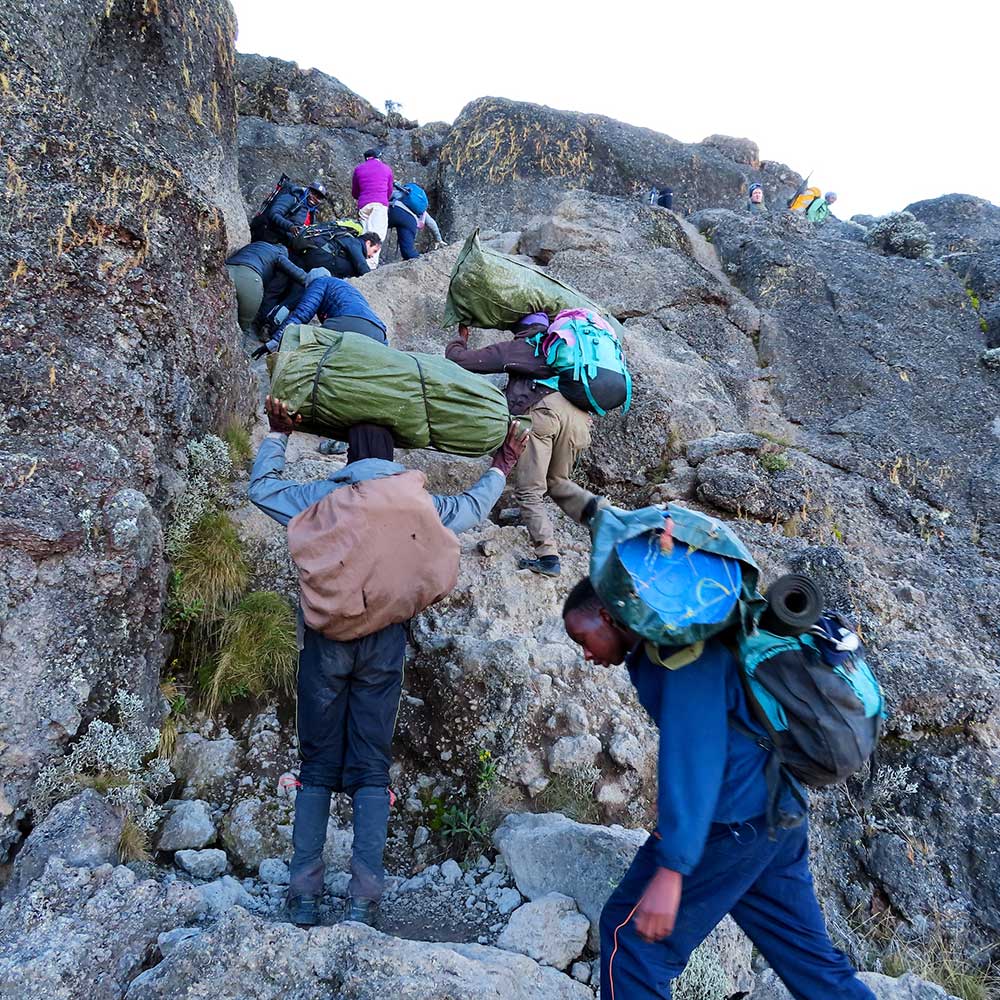
Although Kilimanjaro is classified as a trekking peak, it is physically demanding. Daily hikes typically last between four and eight hours, often on uneven volcanic terrain. Summit day is the most exhausting, lasting anywhere from 12 to 16 hours of continuous climbing and descent.
Loose scree, steep slopes, and long downhill sections place strain on knees, ankles, and leg muscles. Endurance, not speed, determines success. Climbers who rush or push beyond their limits often pay the price later on the mountain.
Extreme Weather and Rapid Climate Changes
One of Kilimanjaro’s unique challenges is passing through multiple climate zones in just a few days. The lower slopes are warm and humid, while higher altitudes are dry, cold, and windy. At the summit, temperatures can drop well below freezing, especially at night.
Weather conditions can change suddenly. Strong winds, snow, rain, and intense sun exposure are all common. Poor layering, inadequate gear, or lack of preparation can turn manageable discomfort into serious risk, particularly during summit night.
Mental Fatigue and Psychological Pressure
Climbing Kilimanjaro is as much a mental challenge as it is a physical one. Long days, limited sleep, altitude discomfort, and cold conditions slowly wear down motivation. Summit night tests mental resilience more than any other stage of the climb.
Climbers move slowly in darkness, often battling doubt, exhaustion, and fear of failure. Staying focused, positive, and patient is essential. Many successful climbers say mental strength carried them to the summit more than physical fitness.
Acclimatization and Route Selection
Not all Kilimanjaro routes are created equal. Shorter routes allow less time for acclimatization, increasing the risk of altitude sickness and failed summit attempts. Longer routes provide gradual ascent profiles that significantly improve success rates.
Choosing the right route, allowing extra acclimatization days, and listening to experienced guides play a major role in overcoming Kilimanjaro’s challenges. The mountain rewards those who respect its pace.
Limited Comfort and Basic Facilities
Kilimanjaro is a true wilderness trek. Accommodation is in tents or basic huts, with simple toilet facilities and no luxury amenities. Cold nights, dust, and simple meals can surprise climbers who expect comfort similar to safari lodges or hotels.
Being mentally prepared for basic conditions makes the experience far more manageable. Comfort on Kilimanjaro comes from preparation, not infrastructure.
Health Risks and Safety Considerations
Beyond altitude sickness, climbers must manage dehydration, blisters, sunburn, and cold-related issues. Proper hydration, nutrition, and foot care are essential every day. Experienced guides monitor climbers closely, checking oxygen levels and symptoms to ensure safety.
Climbing with a reputable operator, trained guides, and proper medical protocols greatly reduces risk and increases the chance of a safe, successful climb.
Why the Challenge Is Worth It
Despite the hardships, standing on Uhuru Peak at sunrise is an unforgettable achievement. The journey through shifting landscapes, the camaraderie among climbers, and the sense of accomplishment make Kilimanjaro one of the most rewarding treks in the world.
Climbing Kilimanjaro is not about conquering the mountain. It is about understanding its challenges, respecting its limits, and embracing the journey step by step.