Lake Kivu Methane: Rwanda’s Extraordinary Underwater Energy Resource
Lake Kivu contains one of the world’s largest natural deposits of dissolved gases. Deep beneath its surface, the lake holds approximately 60 cubic kilometers of dissolved methane and around 300 cubic kilometers of dissolved carbon dioxide. Volcanic activity from the Virunga volcanic system over thousands of years created these unusual conditions. Rwanda has developed a methane extraction project that converts this natural resource into electricity. The project is unique because it combines energy production with efforts to reduce the potential risks associated with the lake’s trapped gases.
The methane extraction project serves two important purposes for Rwanda. It provides a local energy source that supports the country’s growing electricity demand. It also reduces the amount of dissolved methane stored in the lake’s deep waters. This helps lower the potential risk of a dangerous gas release event. Lake Kivu therefore represents both an extraordinary natural phenomenon and an important example of innovative resource management.
The Limnic Eruption Risk at Lake Kivu
A limnic eruption occurs when dissolved gases suddenly escape from a deep lake. This release can create a dangerous cloud of carbon dioxide that spreads across surrounding areas. Lake Nyos in Cameroon experienced such an event in 1986. The eruption released a large amount of carbon dioxide and caused the deaths of approximately 1,800 people in nearby communities. Although Lake Nyos is much smaller than Lake Kivu, the event demonstrated the potential danger of unstable gas-rich lakes.
Lake Kivu remains stable because its deep waters maintain a strong separation from the surface layers. Pressure, temperature differences, and chemical conditions keep the dissolved gases trapped underwater. This natural balance prevents the methane and carbon dioxide from escaping suddenly. However, major disturbances such as volcanic activity, earthquakes, or changes in lake conditions could affect this stability. Around two million people live along the shores of Lake Kivu, making continuous monitoring essential.
Scientists regularly measure Lake Kivu’s gas levels and water chemistry to understand changes within the lake. These monitoring programs help identify any changes that could affect stability. Rwanda considers the methane extraction project an important part of managing the lake’s resources while reducing potential risks. The project therefore plays both an economic and environmental protection role.
The KivuWatt Methane Extraction Project
The KivuWatt project is Rwanda’s main methane extraction operation on Lake Kivu. A floating platform operates above deep sections of the lake where methane concentrations are highest. Pipes extend from the platform into the deep water, allowing methane-rich water to move upward through natural pressure differences. As the water rises toward the surface, the reduced pressure allows methane gas to separate from the water.
The extracted methane travels through pipes to a power generation facility on the lakeshore. The facility converts the gas into electricity for Rwanda’s national grid. After extraction, the treated water returns to the lake at a carefully controlled depth. This process protects the lake’s natural layers and avoids disrupting the stable conditions that keep the dissolved gases contained.
The KivuWatt facility produces approximately 26 megawatts of electricity. This contribution is significant for Rwanda as electricity demand continues to increase with economic growth and development. The project demonstrates how a potentially hazardous natural resource can become a valuable energy source when managed with careful scientific planning.
Visiting the Lake Kivu Methane Project
The KivuWatt facility near Gisenyi can be visited by travelers with a specific interest in energy, geology, or environmental science. Visits require advance arrangements with KivuWatt Limited and are not part of the standard Rwanda tourism circuit. The experience is most suitable for engineers, researchers, students, and visitors interested in the connection between natural resources and technology.
The floating extraction platform can also be seen from parts of the Gisenyi lakeshore. Understanding what the structure represents adds another dimension to the Lake Kivu experience. A relaxing lakeside sunset becomes more meaningful when visitors understand the extraordinary geological processes taking place beneath the calm blue surface.
The Extraordinary Character of Lake Kivu
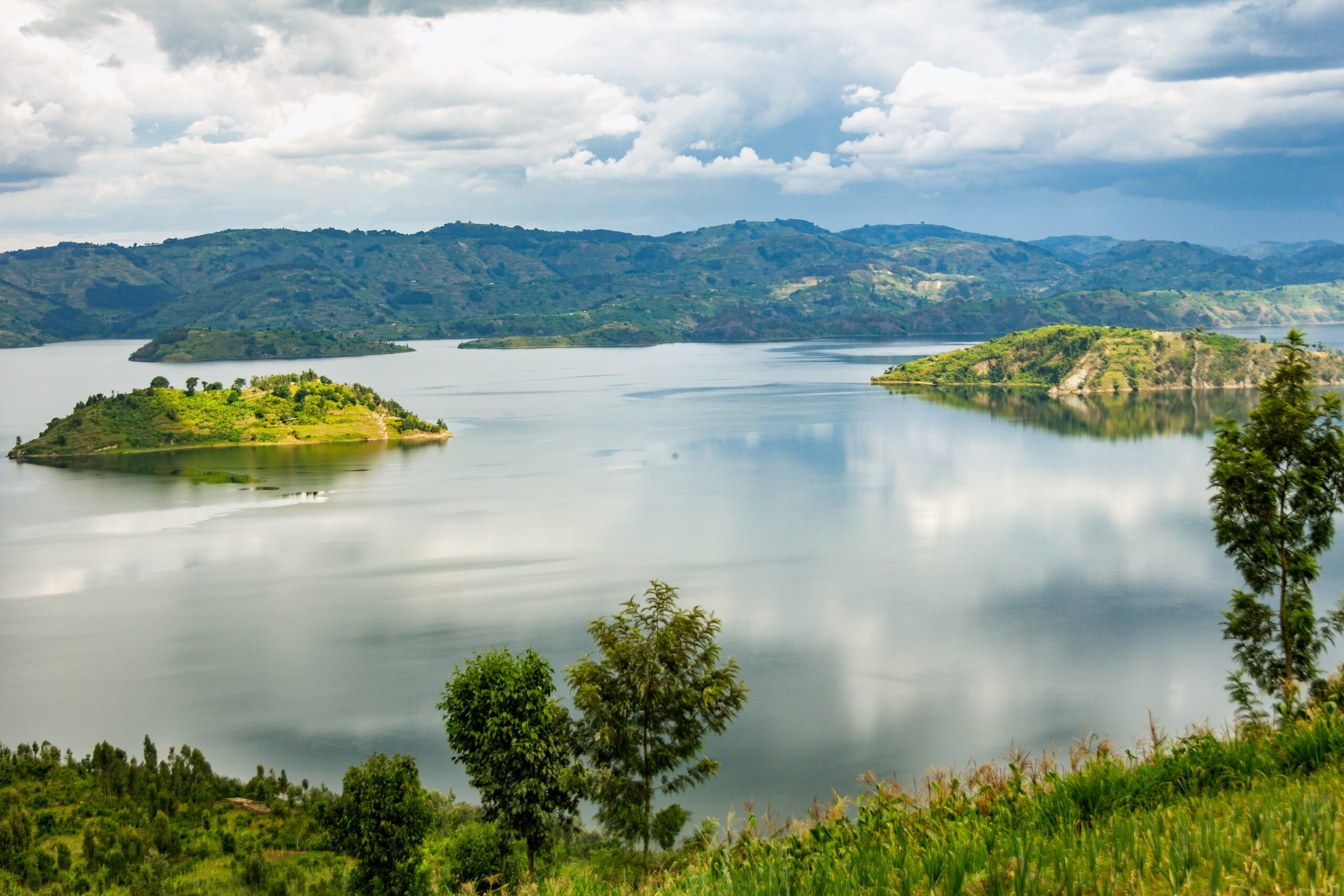
Lake Kivu is already one of Africa’s most beautiful lakes, with forested hills, volcanic landscapes, islands, and traditional fishing communities creating a remarkable setting. The presence of vast methane deposits beneath the surface adds another layer to its story. Few places combine natural beauty, volcanic geology, human settlement, and advanced energy technology in such a unique way.
African Wild Trekkers designs Rwanda safari itineraries that explore the complete Lake Kivu experience. We combine the lake’s scenery, cultural encounters, geological significance, and nearby attractions into meaningful travel experiences. Contact us to plan a Rwanda safari that reveals the many layers of this extraordinary destination.