Rwanda Reconciliation Tourism: Visiting the Country That Chose to Heal
Rwanda reconciliation tourism offers visitors an engagement with the country’s post-genocide healing journey that goes beyond conventional historical tourism. It is not only about visiting memorials and learning what happened in 1994. It is about understanding how a society that experienced genocidal violence has chosen to rebuild its relationships, its institutions, and its identity. That choice, and the daily work that sustains it, is one of the most extraordinary stories in contemporary human experience.
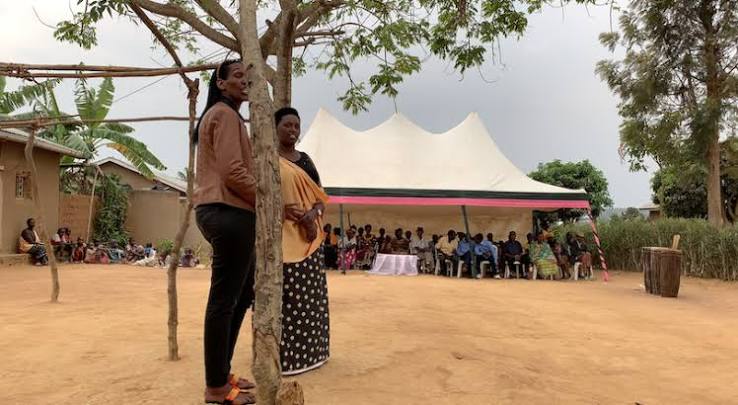
The visible result of Rwanda’s reconciliation journey is encountered at every level of the country’s social life. Neighbours who were on opposite sides of the genocide share community work on Umuganda Saturdays. Gacaca court participants who were victims and perpetrators now live alongside each other in the same villages. The absence of visible ethnic tension in a country that experienced genocidal ethnic violence just three decades ago is striking for any visitor who understands the history.
Memorial Sites as Reconciliation Spaces
Rwanda’s genocide memorials serve multiple purposes simultaneously. They honour and document the dead. They provide evidence that cannot be denied or minimised. They educate future generations about what happened and why. They also function as spaces for the ongoing work of survivor grief, community memory, and national reconciliation. The memorials are not closed historical sites. They are living parts of communities that are still working through the consequences of 1994.
The Kigali Genocide Memorial at Gisozi is Rwanda’s main national memorial. It holds the remains of more than 250,000 people killed in the genocide. The museum presents the genocide’s history, its international context, and the stories of individual victims and survivors. The gardens provide a reflective outdoor space alongside the museum building. The memorial receives both international visitors and Rwandans who come to find where family members are buried.
The Ntarama and Nyamata church memorials in Bugesera present the evidence of mass killing in an unmediated form. The preserved buildings and remains create an encounter with the historical reality that documentary evidence and statistics cannot replicate. Many survivors of the genocide in these communities visit the memorials regularly. Encountering a survivor during or after your memorial visit, if they choose to speak, provides the most powerful possible connection between the historical record and the living human reality.
Meeting Survivors and Communities
Rwanda reconciliation tourism at its most meaningful involves meeting the people who have lived the reconciliation experience. Survivor testimonies, either at memorial sites or through community programs, provide the most direct access to the human reality behind the history. These encounters require careful facilitation. Approaching survivor testimony with genuine respect, adequate time, and the willingness to listen without an agenda is the fundamental requirement.
The Imbuto Foundation and other Rwanda reconciliation organisations have developed structured programs that connect interested visitors with survivor communities, reconciliation program participants, and community leaders working on post-genocide healing. These programs are designed to create meaningful exchange rather than voyeuristic observation. They typically include preparation sessions before community visits and reflection sessions after.
Youth reconciliation programs bring together young Rwandans from different family backgrounds to engage with the history and its contemporary implications. These programs recognise that reconciliation is not only about the generation that lived through 1994. It is equally about the generation that grew up in its shadow. Visitor engagement with youth reconciliation programs provides a perspective on Rwanda’s future that the memorial sites alone cannot supply.
Understanding What You See
Rwanda reconciliation tourism requires honest engagement with complexity. The coexistence visitors observe in Rwanda today is real and significant. It is not, however, complete or without difficulty. The wounds of 1994 are still present in many communities. The reconciliation process is ongoing rather than concluded. Understanding this ongoing character prevents the naive interpretation that Rwanda has fully healed and now invites visitors to admire the result.
The political framework within which reconciliation has occurred shapes what expression is publicly possible. Rwanda’s approach to managing post-genocide national identity, which emphasises Rwandan citizenship above ethnic identification, has produced real benefits for social cohesion. It has also produced constraints on public discussion of certain aspects of the history. An honest engagement with Rwanda reconciliation includes acknowledging these constraints alongside the genuine achievements.
Plan Your Rwanda Reconciliation Visit
A Rwanda visit that engages seriously with reconciliation tourism is one of the most transformative travel experiences available anywhere in the world. It asks more of a visitor than most forms of tourism. It requires preparation, time, genuine curiosity, and the willingness to receive difficult knowledge without looking away or reducing it to simple conclusions. The visitors who engage with this depth leave Rwanda changed in ways that wildlife tourism alone does not produce.
African Wild Trekkers designs Rwanda safari itineraries that integrate the reconciliation tourism dimension with the country’s extraordinary wildlife and landscape experiences. Contact us to plan a Rwanda visit that engages honestly with the full depth of what makes this country one of the world’s most remarkable contemporary stories.