Rwanda Memorial Guide: How to Visit Rwanda’s Genocide Memorials Respectfully
Rwanda’s genocide memorials are some of the most important sites of historical witness in the world. They document the 1994 Genocide Against the Tutsi through preserved evidence, survivor testimony, and documentary materials. Visiting them is not conventional sightseeing. It is an act of witness that requires preparation, respect, and a genuine willingness to receive difficult knowledge. This guide helps visitors approach Rwanda’s memorials with the seriousness and dignity they require.
Rwanda has established memorials at more than 200 sites across the country. This guide covers the main sites accessible to international visitors as part of a Rwanda safari itinerary. These include the Kigali Genocide Memorial at Gisozi, the Ntarama and Nyamata church memorials in Bugesera, and the Murambi Genocide Memorial in the southern province.
The Main Memorial Sites
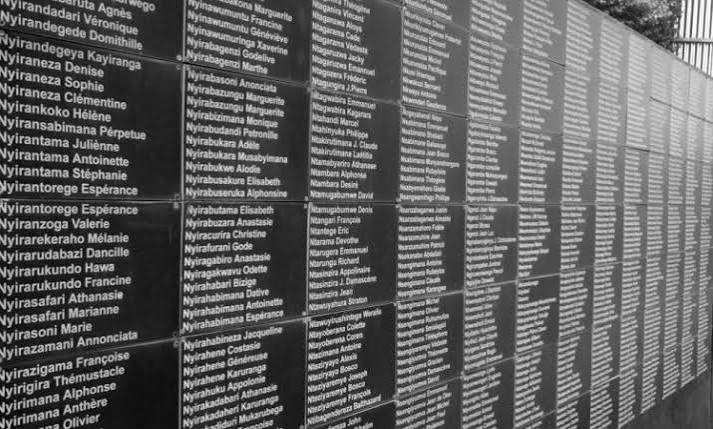
The Kigali Genocide Memorial at Gisozi is Rwanda’s primary national memorial. It holds the remains of more than 250,000 people. The museum presents the history of the genocide, its preparation, its execution, and the international failure to intervene. A children’s memorial section documents the youngest victims. The rose garden provides a reflective outdoor space for visitors to sit quietly after the museum tour. The Kigali memorial is the recommended first memorial site visit for any Rwanda visitor. It provides the broadest historical context for understanding the more specific sites that follow.
The Ntarama and Nyamata church memorials in the Bugesera district are the most visited regional memorials. Both preserve church buildings where mass killings occurred in April 1994. The unmediated preservation of remains and personal effects at both sites creates a direct encounter with the physical evidence of what happened. These sites should be visited together on the same Bugesera circuit day from Kigali.
The Murambi Genocide Memorial in the Nyamagabe district of the southern province is arguably the most difficult of all the major memorials. The preserved lime-covered remains of an estimated 45,000 to 50,000 victims are displayed in the school classrooms where they were killed. Murambi is the most challenging memorial for visitors and the one that requires the most emotional preparation. It is also the most powerful and the most important outside of Kigali.
How to Prepare for a Memorial Visit
Reading the history before visiting is essential. Visitors who arrive at Rwanda’s memorials without basic knowledge of the genocide’s causes, events, and scale put the guide in the position of delivering a full history lesson during the tour. That is not the purpose of the visit. The guide’s role is to add personal testimony and site-specific detail. Basic historical knowledge comes from prior reading.
Recommended preparation reading includes Philip Gourevitch’s “We Wish to Inform You That Tomorrow We Will Be Killed With Our Families,” Immaculée Ilibagiza’s “Left to Tell,” and the accounts of UN commander Roméo Dallaire in “Shake Hands with the Devil.” These books are available in most countries before departure and establish the essential historical and human context for the memorial visits.
Physical preparation matters too. Memorial visits are emotionally demanding. Eating a proper meal before visiting helps maintain the physical resilience to engage fully with the experience. Bringing water is important. Wear comfortable, modest clothing. Remove hats and sunglasses when inside memorial buildings. These small physical preparations reflect the respect the sites require.
Conduct During Your Visit
Follow your guide’s direction throughout without exception. The guide manages pace, tone, and what areas are accessible on any given day. Their instructions are not bureaucratic. They reflect deep familiarity with how these sites affect visitors and what pace creates the most respectful and sustainable encounter.
Photography policies vary between memorial sites. Some sites prohibit photography entirely. Others allow it in specific outdoor areas but not within buildings. Always ask before photographing. Never photograph other visitors at the memorial without their permission. Social media sharing of memorial photographs should be considered carefully. The purpose of the visit is witness, not content creation.
Allow time at the end of every memorial visit to sit quietly in the grounds. Do not return immediately to daily activity. The transition from memorial to ordinary tourist movement needs a mental and emotional buffer. Eating lunch immediately after a memorial visit is less appropriate than sitting quietly with a drink for 30 minutes. Plan your day around the memorial rather than slotting the memorial between other activities.
Plan Your Rwanda Memorial Circuit
A complete Rwanda memorial circuit covering Kigali, Bugesera, and Murambi requires three separate days at minimum. These can be distributed across a Rwanda itinerary rather than visited consecutively. Spacing the visits allows emotional recovery between each site. Most Rwanda visitors find that two memorial sites in three days is the comfortable limit of what can be absorbed genuinely rather than processed superficially.
African Wild Trekkers integrates Rwanda memorial visits into safari itineraries with the care and pacing that these sites require. Contact us to plan a Rwanda safari that approaches the country’s memorial history with the depth and respect it deserves.