Murchison Elephant Herds: Uganda’s Most Impressive Pachyderm Safari
Murchison Elephant Herds
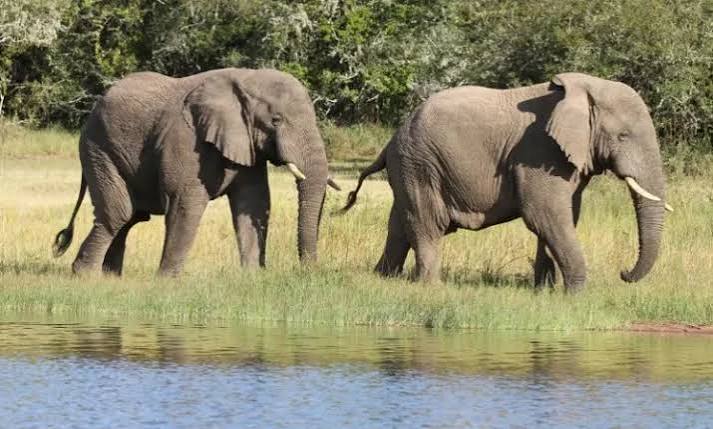
The elephant herds represent one of East Africa’s greatest conservation success stories. Murchison Falls National Park is home to about 1,500 African elephants. The population recovered from fewer than 300 animals after heavy poaching during the 1970s and 1980s. Today, family groups of 5 to 30 elephants roam the park. They cross the Victoria Nile using natural crossings near Pakuba and Paraa. Visitors see them on most game drives north of the Nile and during the Nile boat trip. These thriving herds show what strong conservation efforts can achieve.
The park covers 3,840 square kilometers of diverse habitat. Open savanna, riverine forest, and Borassus palm woodland provide excellent feeding grounds. The Victoria Nile supplies water throughout the year. The North Bank game drive circuit offers the best elephant viewing because it follows the river closely. During the dry season from June to September, elephants gather near the Nile and permanent waterholes. This seasonal movement creates frequent sightings and larger herd gatherings.
Murchison Elephant Herds on Game Drives
North Bank Elephant Game Drives
The North Bank game drive circuit offers Uganda’s best elephant viewing. Morning drives from Paraa to the falls pass through areas with the highest elephant numbers. Herds feed along the river, cross the roads, and gather at waterholes.
The stretch between the Nile and Kiboko Waterhole delivers reliable sightings from April to October. Guides often stop quietly at waterholes, giving visitors 15 to 20 minutes to watch natural elephant behavior.
During the dry season, several family groups gather together. Herds of 20 to 50 elephants often share waterholes and feeding areas. Adult bulls join breeding groups during this period. Visitors can watch matriarchs guide their families while dominant bulls interact with them. These moments reveal the intelligence and social structure of African elephants.
Nile Boat Trip
The Nile boat trip from Paraa to the base of Murchison Falls offers a different elephant experience. Boats often spot elephants crossing the Victoria Nile at shallow sections. Families move together while adults help calves through the current. These crossings rank among Uganda’s most memorable wildlife encounters.
The boat approaches carefully without disturbing the animals. This low-water perspective creates outstanding photography opportunities that game drives cannot match.
Elephants also visit the river to drink and bathe throughout the journey. Adults spray water over themselves and their calves while young elephants play along the shoreline. Visitors often enjoy views of elephants, hippos, crocodiles, and the powerful falls during the same trip.
Murchison Elephant Herds Ecology
Elephant Impact on the Landscape
Murchison elephant herds shape the park’s landscape every day. They push over acacia trees and Borassus palms to reach fresh leaves and palm cabbage. Their feeding habits open dense woodland and create grassland.
These open areas benefit many other animals. Uganda kobs, Rothschild’s giraffes, and other grazers thrive in the expanding grasslands. Better visibility also helps prey detect predators. The park’s mix of woodland and grassland reflects decades of elephant activity, natural fires, and seasonal rainfall.
Many elephant herds also move beyond the park boundary into nearby community land. Some enter farmland and damage crops. Uganda Wildlife Authority works with local communities to reduce conflict. Rangers maintain electric fences in high-risk areas, while community teams monitor elephant movements and respond quickly to incidents. Park fees and lodge concession payments help fund these conservation programs.
Conservation of Murchison Elephant Herds
The recovery of Murchison elephant herds required decades of dedicated conservation. Uganda Wildlife Authority strengthened anti-poaching patrols across the park. Rangers now protect both the interior and the park boundaries throughout the year. Camera traps also help monitor elephant movements.
The international ivory trade ban reduced poaching pressure across Uganda. Continued law enforcement and community partnerships supported the steady recovery of the population, even during periods of regional instability.
Researchers continue to monitor herd health and population growth. They study family structure, calf survival, and seasonal movements. DNA analysis also helps scientists understand family relationships and genetic diversity. This research guides future conservation decisions and protects the long-term health of Murchison’s elephant population.
Plan Your Safari
Spend at least two nights in Murchison Falls National Park. This schedule allows time for morning game drives and the Nile boat trip. Start your game drive at 6:30 a.m. for the best chance of seeing elephants at waterholes and along the river. Choose a north bank lodge if you want quicker access to the main game drive routes.
African Wild Trekkers creates Murchison Falls safaris that combine elephant game drives, the Nile boat trip, Ziwa Rhino Sanctuary, and Budongo Forest chimpanzee trekking. We arrange permits, ferry crossings, and lodge reservations for a seamless northern Uganda safari.
Contact African Wild Trekkers to plan your Murchison elephant safari. We respond within 24 hours and design personalized itineraries that showcase the incredible wildlife of Murchison Falls National Park.