El Molo Group Kenya: Lake Turkana’s Most Ancient Fishing Community
The El Molo group of Kenya is the country’s smallest ethnic group, with a population of approximately 500 people. This ancient fishing community inhabits islands and the shoreline of Lake Turkana near Loiyangalani in northern Kenya. The El Molo group of Kenya has fished the lake for centuries using traditional harpoons and rafts made from doum palm logs.
The El Molo group’s Kenyan language is a Cushitic tongue distinct from all neighboring tribal languages. Ethnolinguists classify the El Molo group of Kenya as one of Africa’s most linguistically isolated communities. Meeting the El Molo group in Kenya on the Lake Turkana shore is one of Kenya’s most culturally extraordinary experiences.
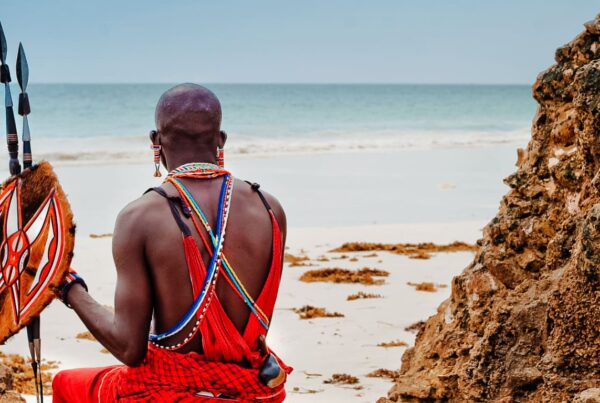
The El Molo group’s Kenyan name translates roughly as “those who eat fish.” The diet traditionally consisted almost entirely of lake fish, hippo, and crocodile. The El Molo group men of Kenya were famous for hunting hippos from doum palm rafts using iron-tipped harpoons. This extreme lifestyle on one of Africa’s most inhospitable lake shores created a community of extraordinary resilience.
Today the El Molo group Kenyan community supplements fishing with small-scale herding adopted from surrounding Samburu and Turkana neighbors. The traditional fishing skills and cultural practices remain central to the El Molo group’s Kenyan identity.
El Molo group Kenya: Culture and Traditions
Traditional Fishing of the El Molo group, Kenya
The El Molo group of Kenya’s fishing methods uses techniques unchanged for generations. Doum palm raft construction is the foundational traditional skill of every El Molo Kenyan man. The palm logs lash together with fiber rope to create a stable but lightweight craft for lake fishing. The El Molo group Kenyan fishermen use barbed harpoons to catch large Nile tilapia, Nile perch, and tigerfish.
Net fishing from these rafts began more recently after introduction by neighboring communities. Watching an El Molo group Kenyan fisherman launch from the shore at dawn is one of Lake Turkana’s most visually compelling cultural encounters.
Hippo hunting by the El Molo group in Kenya was historically one of their most important food sources. Lake Turkana’s large hippo population provided meat and fat for the community. The El Molo group of Kenya, hippo hunters, needed exceptional bravery and skill to approach a hippo from a raft in open water.
The cultural significance of hippo hunting in the El Molo group’s Kenyan oral tradition remains strong even though formal hunting has ended. Community elders share stories of famous El Molo group Kenya hippo hunts during cultural visits near Loiyangalani. These stories reveal a sophisticated ecological knowledge of hippo behavior developed over many generations of close coexistence.
El Molo Group Kenyan Village Life
The Ele-Molo Kenyan hunters are small, tightly organized settlements on the lakeshore and adjacent islands. Traditional huts are dome-shaped structures made from doum palm fronds over a frame of bent branches. El Molo group Kenya huts are light and compact, suited to the high winds that characterize Lake Turkana’s eastern shore.
The islands opposite Loiyangalani historically served as fortified El Molo group Kenya settlements protected by the water crossing from mainland threats. Today the main El Molo group community in Kenya lives on the shore near Loiyangalani for school and market access.
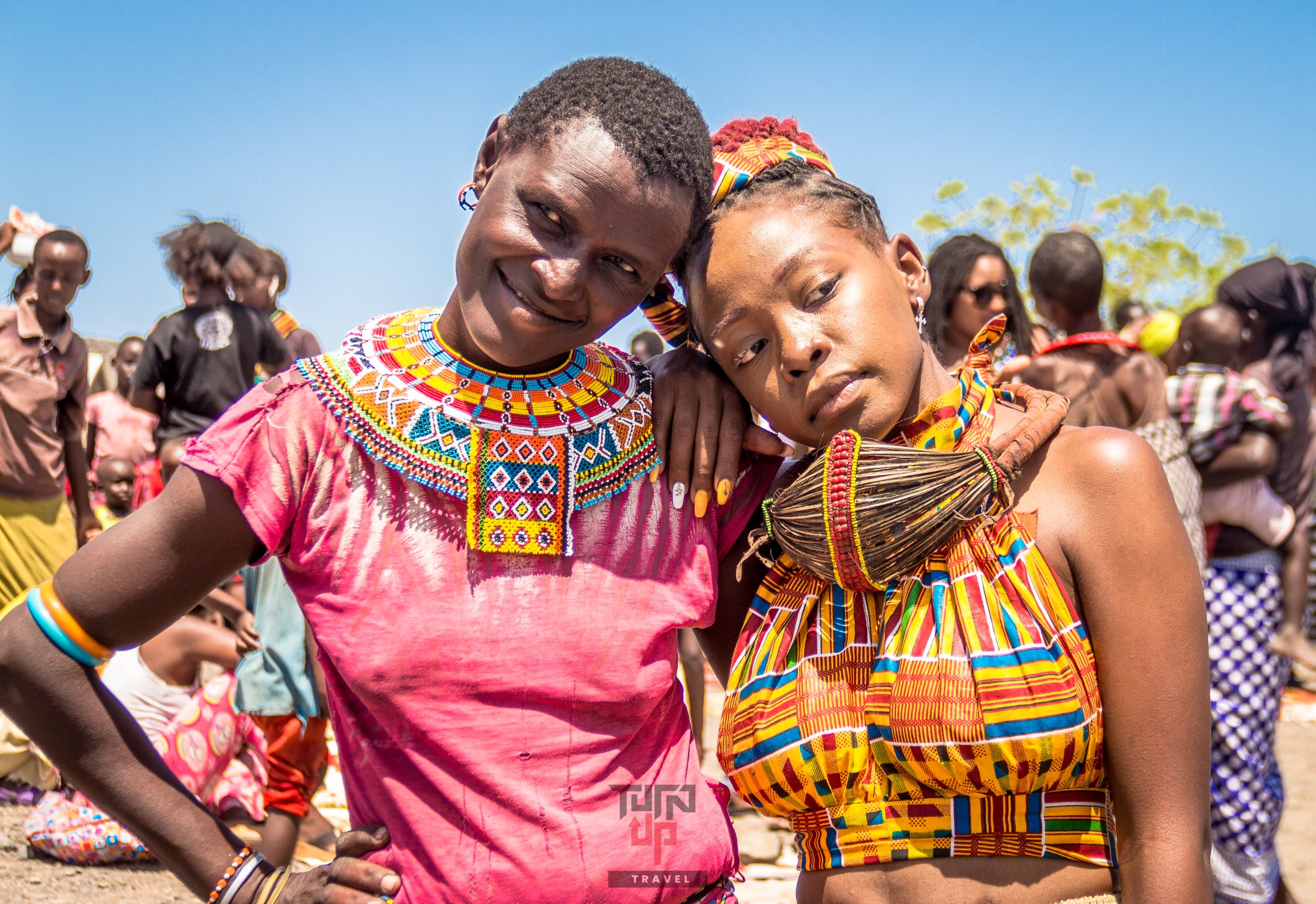
The El Molo group women of Kenya wear distinctive beaded jewelry and ochre-dyed clothes. The jewelry styles carry specific social significance about marital status and community role. The El Molo group’s Kenyan dress and body decoration traditions continue alongside increasing adoption of Western clothing for practical daily use.
Young El Molo group Kenyan community members often wear traditional dress for cultural visits and ceremonies while using modern clothing for school and market activities. This pragmatic blending of traditional and modern dress reflects the El Molo group of Kenya’s community’s practical adaptation to contemporary northern Kenyan life.
El Molo group Kenya: Conservation Challenges
Population and Cultural Pressures on the El Molo Group, Kenya
The El Molo group in Kenya faces serious cultural survival challenges from surrounding larger communities. Intermarriage with Samburu and Turkana neighbors has diluted the El Molo group’s Kenyan language use over recent generations. Many young people of the El Molo group in Kenya speak Samburu or Turkana as their primary language rather than the ancestral El Molo tongue.
Language documentation projects by Kenyan linguists were developed to record the E. Molo group Kenya language before it is lost. The El Molo group Kenya community itself is divided on the question of language preservation versus practical integration. This cultural tension makes the El Molo group’s situation in Kenya one of Kenya’s most complex indigenous communities.
The El Molo group’s Kenyan fishing grounds face pressure from larger commercial fishing operations on Lake Turkana. The construction of the Gibe III dam in Ethiopia has significantly reduced the Omo River inflow to Lake Turkana. This reduced inflow affects lake fish populations that the El Molo group of Kenya depends upon for their subsistence fishing income.
Climate change is lowering lake levels and reducing the nearshore fish habitat at the El Molo group’s Kenyan fishing areas. These environmental pressures combine with social and cultural challenges to create a genuinely precarious situation for the El Molo group Kenya community’s long-term survival as a distinct people.
Visiting the El Molo group Kenya, respectfully
El Molo group Kenya cultural visits should be arranged through the community tourism guide at Loiyangalani. A culturally informed El Molo group Kenya guide provides context and translation throughout the village visit. Payment for El Molo group Kenya cultural visits goes directly to a community fund managed by elected community representatives. For photography of the Kenyan El Molo group and Kenyan individuals, explicit consent must be arranged through the guide.
Children and elders are particularly sensitive subjects for El Molo Group Kenya photography protocols. Visiting the El Molo group in Kenya with patience and genuine cultural curiosity rather than as a quick safari tick is the most respectful and rewarding approach to this rare Kenyan entity.
The best time to visit the El Molo group in Kenya is early morning when fishing activity is most visible. The El Molo group Kenyan fishermen launch at dawn and return by mid-morning to dry and sell their catch. Arriving at the El Molo group Kenya village at 06:00 captures the launch sequence and the active fishing period. Afternoon El Molo group Kenya visits see the community resting during the hottest midday period.
Evening visits coincide with net mending and community social activity. A two-hour morning El Molo group Kenya visit arranged through the Loiyangalani community guide produces the most comprehensive cultural encounter of any single Lake Turkana cultural activity.
Plan Your Safari
Book an El Molo group Kenya cultural visit through the Loiyangalani community guide at least one day before the planned visit. Arrive at 06:00 for the morning fishing launch and lake activity. Bring a small community contribution gift recommended by your guide in addition to the standard cultural visit fee.
African Wild Trekkers includes El Molo group cultural visits in Kenya in all Lake Turkana safari itineraries. We arrange Loiyangalani community guide bookings, brief clients on respectful El Molo group Kenya visit conduct, and design northern Kenya circuits that combine the cultural and wildlife dimensions of the lake.
Contact African Wild Trekkers to meet the El Molo group in Kenya on your Lake Turkana safari. We respond within 24 hours and design cultural Lake Turkana safari itineraries that access this extraordinary and isolated community with full cultural respect.