Watamu Green Turtles: Kenya’s Sea Turtle Capital
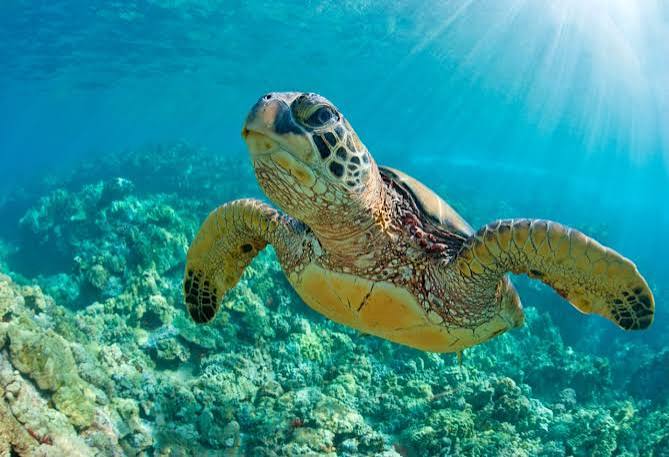
Watamu green turtles are one of Kenya’s most celebrated marine wildlife encounters. Marine National Park on Kenya’s central coast holds one of the East African coast’s most consistent green turtle feeding populations. Watamu green turtles graze on the seagrass beds within the protected marine park zone year-round. Snorkellers and divers encounter Watamu green turtles at close range on most morning reef visits. Watamu green turtles are so reliably seen that the Kenya Wildlife Service marine rangers often direct snorkelling boats directly to current turtle feeding positions. A Watamu green turtles snorkelling morning is one of Kenya’s finest marine wildlife experiences.
Watamu Marine National Park protects four kilometres of reef, seagrass bed, and mangrove habitat. The park’s protection has maintained the Watamu green turtles feeding population through decades of coastal development pressure. Watamu green turtles arrive at the feeding grounds at the same reef sections year after year. Individual Watamu green turtles are recognised by researchers from facial scale patterns. This individual recognition programme has documented Watamu green turtles returning to the same reef sections for 20 or more consecutive years.
Watamu Green Turtles Encounters
Snorkelling with Watamu Green Turtles
Snorkelling with Watamu green turtles is the most popular marine activity at Watamu. Glass-bottom boats from the main Watamu beach carry snorkellers to the turtle feeding sites. The boats arrive at positions within the Watamu Marine National Park where current turtle activity has been reported. Watamu green turtles feeding on seagrass remain in position for extended periods. They rise to the surface to breathe every four to seven minutes. This breathing pattern gives snorkellers multiple surface encounter opportunities at close range. Watamu green turtles at the surface are fully calm and allow snorkellers to within one to two metres without flushing.
The most important Watamu green turtles snorkelling rule is no touching. Physical contact with Watamu green turtles causes stress and disrupts their natural behaviour. KWS marine rangers accompany all Watamu green turtles snorkelling boats and enforce the no-touching rule. Watamu green turtles are listed as Endangered globally and every management decision in the marine park prioritises turtle welfare. The undisturbed Watamu green turtles feeding behaviour produces far more compelling and extended wildlife encounters than any disturbed approach would allow. Patience and non-intervention at the Watamu green turtles snorkelling site consistently produces the most memorable encounters.
Watamu Green Turtles Nesting
Watamu green turtles nest on Kenya’s northern coast beaches from October to March. Female Watamu green turtles come ashore at night to excavate nest chambers above the high tide line. The main Watamu green turtles nesting beaches lie north of Watamu town on more remote coastal sections. Local Sea Turtle Watch and other conservation organisations monitor Watamu green turtles nesting beaches at night during the season. Watamu green turtles hatchlings emerge from the nest approximately 60 days after laying. The hatchling emergence is timed for night to reduce predation during the crossing to the sea.
Watamu green turtles hatchling releases are managed by Sea Turtle Watch researchers at the main Watamu conservation centre. Visiting the Sea Turtle Watch Watamu centre provides educational context for the Watamu green turtles conservation programme. The centre displays live injured Watamu green turtles under rehabilitation alongside educational displays on turtle biology and threats. A visit to the Watamu green turtles conservation centre before any snorkelling trip deepens the appreciation of the subsequent water encounter. Donation to the Sea Turtle Watch programme directly supports the Watamu green turtles long-term conservation monitoring.
Watamu Green Turtles Conservation
Threats to Watamu Green Turtles
Watamu green turtles face multiple threats across their migratory range. Ghost net entanglement kills Watamu green turtles that migrate between the Kenya coast and feeding grounds across the western Indian Ocean. Boat strike injures and kills Watamu green turtles in busy coastal boat traffic zones. Nesting beach development reduces available nesting habitat for Watamu green turtles returning females. Plastic ingestion affects Watamu green turtles that mistake floating plastic bags for jellyfish. The Sea Turtle Watch organisation at Watamu monitors and reports all Watamu green turtles threats through systematic beach and water patrol programmes.
Watamu green turtles are protected under Kenyan law within the marine national park and the wider coastal zone. The KWS marine rangers at Watamu enforce the protection actively against nets, boat speed violations, and beach disturbance. Community fishing communities around Watamu participate in by-catch release programmes for accidentally caught Watamu green turtles. These community release programmes require training in safe turtle handling and disentanglement. The Watamu green turtles conservation programme has trained over 200 local fishermen in safe sea turtle by-catch release procedures since 2005.
Best Time for Watamu Green Turtles
Watamu green turtles are present at the marine park reef throughout the year. The best visibility for Watamu green turtles snorkelling is during the southeast monsoon calmer periods from October to March. This period also coincides with the Watamu green turtles nesting season. Combining a snorkelling encounter with a nesting beach visit creates the most complete Watamu green turtles experience. The southeast monsoon season from April to September brings rougher seas and reduced underwater visibility. Watamu green turtles remain at the feeding sites during the rough season but conditions are less comfortable for snorkellers. The October to March Watamu green turtles window suits most Kenya coast safari itineraries.
Morning Watamu green turtles snorkelling from 08:00 to 11:00 produces the calmest sea conditions and the best underwater light for photography. Afternoon sessions from 14:00 to 17:00 also produce Watamu green turtles encounters but with afternoon swell building from the ocean. An underwater camera or GoPro produces the most satisfying Watamu green turtles documentation. Burst mode photography at 1/500 second captures Watamu green turtles swimming without motion blur. Natural light snorkelling photography at Watamu green turtles feeding sites in the seagrass bed produces beautifully illuminated, natural-looking images.
Plan Your Safari
Book a Watamu green turtles snorkelling morning at the marine park glass-bottom boat station on Watamu beach. Visit the Sea Turtle Watch conservation centre the afternoon before for educational context. Plan your Watamu green turtles visit for the October to March dry season window for the best sea conditions and nesting season overlap.
African Wild Trekkers includes Watamu green turtles encounters in Kenya coast safari itineraries. We book glass-bottom boat snorkelling sessions, arrange Sea Turtle Watch conservation centre visits, and design coast programmes combining the turtles with Arabuko-Sokoke Forest and Gede ruins.
Contact African Wild Trekkers to plan your Watamu green turtles encounter. We respond within 24 hours and design Kenya coast itineraries that access the best marine turtle experiences at Kenya’s most celebrated sea turtle destination.