Uganda Travel Advice – Essential Guidance for a Safe and Rewarding Journey
Uganda is one of East Africa’s most diverse and rewarding travel destinations, offering a rare blend of wildlife, culture, landscapes, and warm hospitality. From mountain gorilla trekking in ancient rainforests to savannah safaris, lakes, and vibrant rural life, Uganda delivers rich experiences within a relatively compact country. Travel here is generally safe and welcoming, but like any destination, it requires awareness, preparation, and realistic expectations.
Travel advice for Uganda focuses less on restriction and more on understanding context. Uganda is a developing country with strong community values, varied infrastructure quality, and environments that range from remote wilderness to busy urban centers. Visitors who approach travel with flexibility, patience, and respect tend to have the most fulfilling experiences.
Entry Requirements and Travel Documents
Travelers to Uganda must carry a valid passport with sufficient validity beyond their intended stay. Entry requirements may include visas depending on nationality, and many visitors obtain these prior to arrival or through official online systems. Border procedures are generally straightforward, but travelers should keep copies of important documents both digitally and physically.
At border crossings and airports, patience is important. Procedures may take longer than expected, and processes can differ slightly from what travelers are used to elsewhere. Keeping documents organized and responding calmly to officials ensures smooth entry and exit.
Health, Vaccinations, and Medical Awareness
Health preparation is an important part of Uganda travel advice. Yellow fever vaccination is required for entry, and proof may be requested at the border. Other recommended precautions include malaria prevention and routine travel vaccinations. Consulting a travel health professional before departure helps ensure appropriate preparation.
Medical facilities vary across the country, with the best-equipped hospitals found in major cities. In rural and remote areas, access to advanced medical care may be limited. Comprehensive travel insurance that includes medical evacuation is strongly advised, especially for travelers participating in activities such as gorilla trekking or remote safaris.
Safety and Personal Security
Uganda is considered one of the safer countries in the region for travelers, particularly in rural and tourism-focused areas. Violent crime involving tourists is rare, and visitors are generally welcomed with friendliness and curiosity. That said, basic precautions remain important, especially in urban areas.
Keeping valuables secure, avoiding unnecessary nighttime movement in unfamiliar areas, and following local advice all contribute to personal safety. In cities, using reputable transport and staying aware of surroundings is recommended. In national parks and rural regions, safety is managed largely through guides and rangers who understand local conditions.
Transport and Getting Around
Transport conditions in Uganda vary widely. Major highways linking key cities and tourism hubs are generally reliable, while rural roads can be rough, especially during rainy seasons. Travel times are often longer than distances suggest due to road conditions and terrain.
For visitors, guided travel with experienced drivers is the most comfortable and efficient way to explore the country. Public transport exists but is not designed for tourists or long-distance travel comfort. When moving between destinations, allowing buffer time reduces stress and improves overall travel flow.
Cultural Awareness and Etiquette
Ugandan society places strong value on respect, politeness, and community. Greetings matter, and taking time to acknowledge people before asking questions or requesting assistance goes a long way. Loud or confrontational behavior is generally frowned upon, particularly in rural settings.
Dress modestly when visiting villages, religious sites, and community areas. While safari attire is common, overly revealing clothing can cause discomfort. Cultural sensitivity enhances interactions and helps travelers feel more connected rather than intrusive.
Wildlife and Nature Safety
Many visitors come to Uganda for wildlife experiences, and understanding nature-related safety is essential. In national parks such as Bwindi Impenetrable National Park, activities are led by trained rangers who prioritize safety and conservation. Listening carefully to instructions during wildlife encounters is non-negotiable.
Wild animals are unpredictable, even in managed tourism environments. Visitors should never approach wildlife independently or ignore ranger guidance. Respecting distance, staying calm, and following rules ensures safe encounters for both humans and animals.
Money, Payments, and Practical Costs
Uganda’s currency is the Ugandan shilling, and cash is widely used, especially outside major cities. While some hotels and lodges accept cards, card payments are not universally reliable due to connectivity issues. Carrying sufficient cash for small purchases, tips, and local services is advisable.
ATMs are available in cities and large towns but may be scarce in remote regions. Travelers should plan withdrawals in advance and avoid carrying excessive amounts of cash openly. Budgeting for tips, community activities, and incidental expenses enhances flexibility during travel.
Connectivity and Communication
Mobile phone coverage in Uganda is generally good along major routes and in towns, though signal strength decreases in remote parks and forest areas. Internet access is available in many hotels and lodges but can be slow or intermittent.
Travelers should inform family or contacts that communication may be limited at times. This is especially relevant during multi-day safaris or forest-based activities where connectivity is intentionally minimal.
Weather, Climate, and Packing Awareness
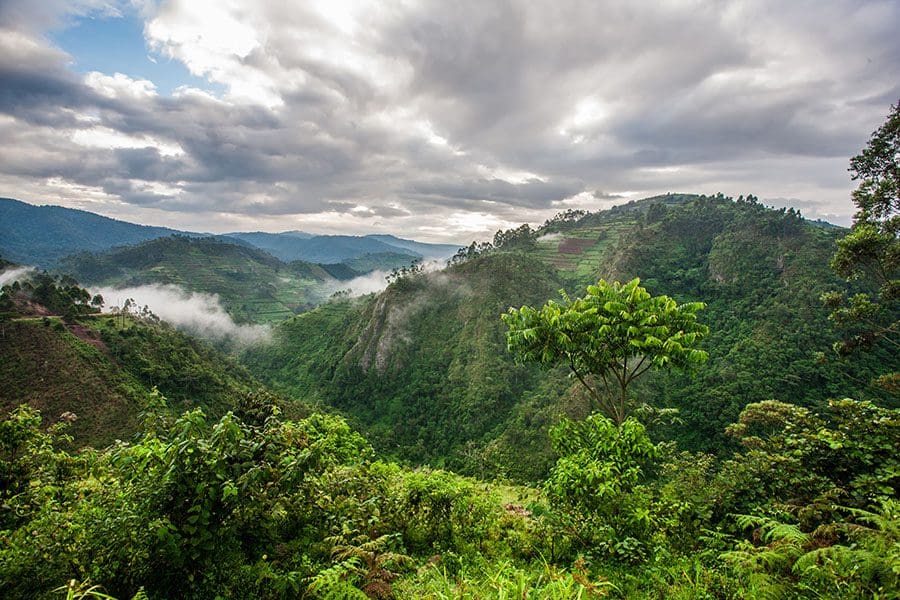
Uganda’s equatorial location means weather can change quickly. Rainfall occurs throughout the year, even during drier seasons. Packing should account for both warm daytime conditions and cooler mornings or evenings, particularly in highland areas.
Sturdy footwear, rain protection, and layered clothing are essential for nature-based travel. Accepting occasional rain as part of the experience helps maintain comfort and enjoyment.
Why Preparation Matters in Uganda
Travel in Uganda rewards those who plan thoughtfully and travel mindfully. The country offers extraordinary natural and cultural richness, but experiences unfold on local terms rather than rigid schedules. Flexibility, patience, and curiosity transform potential challenges into memorable moments.
Well-informed travelers navigate Uganda with confidence, connect more deeply with people and places, and contribute positively to conservation and community well-being.
Plan Your Safari
Good travel advice is the foundation of a successful Uganda journey. Preparing health documents, understanding local customs, respecting wildlife rules, and allowing time for travel all enhance the experience. With the right approach, Uganda delivers safe, meaningful, and unforgettable travel that goes far beyond expectations.