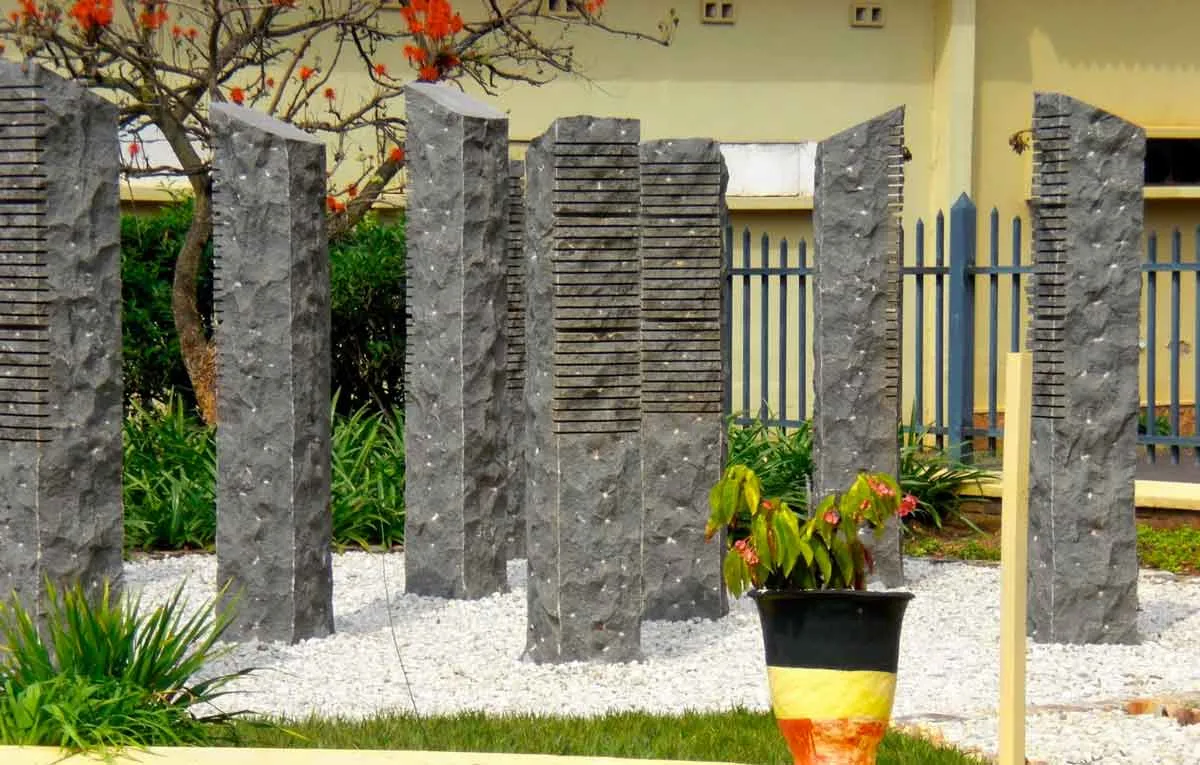
Rwanda Genocide Memorial Tour Guide: A Journey of Remembrance, Education, and Reflection
A Rwanda Genocide Memorial Tour Guide helps visitors understand one of the most significant events in Rwanda’s history while honoring the lives of those who lost their lives during the 1994 Genocide against the Tutsi.
Visiting these memorial sites offers more than a historical lesson. It creates an opportunity to reflect on human resilience, the importance of peace, and the responsibility communities share in preventing future tragedies.
Rwanda has transformed its painful past into a story of remembrance, reconciliation, and hope. Through memorial visits, travelers learn about the experiences of victims and survivors while gaining a deeper appreciation for Rwanda’s journey toward unity.
Why Visit Rwanda Genocide Memorial Sites?
Rwanda genocide memorial sites preserve important historical records and provide spaces where people can remember those who suffered and lost their lives. These locations help visitors understand the causes, events, and consequences of the 1994 Genocide against the Tutsi.
A Rwanda Genocide Memorial Tour Guide provides valuable explanations that help guests understand the complex history behind the genocide. Guides share historical information, survivor experiences, and details about Rwanda’s recovery process.
Furthermore, these visits encourage conversations about tolerance, dignity, and human rights. By learning from the past, visitors can recognize the importance of protecting communities and promoting peaceful relationships.
Kigali Genocide Memorial: The Main Remembrance Site
The Kigali Genocide Memorial remains one of the most important memorial sites in Rwanda. Located in Kigali, the memorial serves as a final resting place for more than 250,000 victims of the genocide.
The site combines remembrance, education, and research. Visitors explore exhibitions that explain Rwanda’s history, the events leading to the genocide, the experiences of victims, and the country’s efforts toward reconciliation.
Each section of the memorial tells personal stories through photographs, documents, and belongings that belonged to victims. These displays help visitors understand that the genocide affected real people, families, and communities.
The children’s exhibition creates a particularly emotional experience because it shares stories of young victims and highlights the devastating impact of violence on innocent lives.
What to Expect During a Rwanda Genocide Memorial Tour
A Rwanda Genocide Memorial Tour Guide experience requires visitors to approach the site with respect and sensitivity. The information presented can be emotional, and many guests take time to reflect during their visit.
Most guided tours begin with an introduction to Rwanda’s history before moving through different exhibition areas. Professional guides explain important events and answer questions while helping visitors understand the experiences of survivors.
Visitors should expect a quiet and respectful environment throughout the tour. Many people choose to spend additional time reflecting after viewing the exhibitions because the stories and lessons remain powerful.
Photography policies differ depending on the area, so guests should always follow instructions from memorial staff. Respecting these guidelines helps maintain the dignity of the space.
The Importance of Guided Tours
Choosing a guided tour creates a deeper understanding of Rwanda’s history. A knowledgeable guide provides context that visitors may not discover through independent exploration.
Guides explain historical events carefully while connecting individual stories with broader themes of reconciliation and recovery. Their explanations help visitors understand how Rwanda has worked to rebuild trust and unity after the genocide.
Additionally, guided tours allow visitors to ask questions and engage in meaningful discussions. These conversations often create a more personal connection with Rwanda’s history and the lessons shared at the memorial.
Learning About Rwanda’s Journey of Healing
Rwanda’s recovery after the genocide demonstrates the strength of communities and the importance of reconciliation. Memorial sites do not only focus on tragedy; they also highlight survival, rebuilding, and hope.
Through national healing programs, education, and community initiatives, Rwanda has worked to create a future based on unity. A memorial visit allows travelers to understand this transformation and recognize the efforts behind it.
The stories shared at these sites remind visitors that remembrance plays an important role in protecting future generations. By preserving history, Rwanda encourages the world to learn valuable lessons about compassion and peace.
Other Important Genocide Memorial Sites in Rwanda
Although the Kigali Genocide Memorial remains the most visited remembrance site, Rwanda has several other important memorial locations that provide meaningful learning experiences.
The Nyamata Genocide Memorial and Ntarama Genocide Memorial, located in the Bugesera District, preserve the stories of victims who sought refuge in churches during the genocide. These sites allow visitors to understand the experiences of communities affected by the violence.
Another significant location is the Murambi Genocide Memorial in the Southern Province. This memorial provides historical information about the events that occurred in the area and serves as a place of remembrance for thousands of victims.
Visiting different memorial sites offers travelers a broader understanding of the genocide’s impact across Rwanda. Each location shares unique stories while contributing to the country’s commitment to remembrance and education.
How to Prepare for a Rwanda Genocide Memorial Tour
Preparing emotionally and practically can help visitors have a meaningful experience. Before visiting a memorial site, travelers should learn basic background information about Rwanda’s history and understand the purpose of these locations.
Wearing respectful clothing and maintaining a calm attitude shows consideration for survivors, visitors, and the importance of the memorial environment. These sites represent places of mourning and reflection, so visitors should approach them with care.
Travelers should also allow enough time for their visit. Rushing through exhibitions may prevent visitors from fully understanding the stories and lessons presented. Taking time to read information, listen to guides, and reflect creates a more valuable experience.
Furthermore, visitors should remain open to learning from different perspectives. The purpose of a Rwanda Genocide Memorial Tour Guide experience is not only to learn about history but also to recognize the importance of humanity, compassion, and peace.
Supporting Responsible Cultural and Historical Tourism
Responsible tourism plays an important role in preserving Rwanda’s history and supporting educational efforts. Visitors contribute to these efforts by respecting memorial guidelines and engaging with the sites in a thoughtful manner.
Choosing local guides and professional tour providers also helps create meaningful experiences while supporting Rwanda’s tourism sector. Knowledgeable guides provide accurate information and help visitors understand the historical importance of each location.
Additionally, travelers can support Rwanda’s continued commitment to remembrance by sharing what they learn with others. Education remains one of the strongest tools for preventing future conflicts and promoting understanding between communities.
Why a Rwanda Genocide Memorial Tour Matters
A Rwanda Genocide Memorial Tour Guide experience provides important lessons about history, resilience, and the value of human life. While the subject remains painful, these visits also reveal stories of courage, survival, and hope.
Memorial tours encourage visitors to think about the consequences of discrimination and hatred. They also demonstrate how communities can rebuild after unimaginable challenges through forgiveness, cooperation, and determination.
For travelers seeking meaningful experiences in Rwanda, visiting genocide memorial sites creates a deeper connection with the country and its people. The journey goes beyond tourism because it encourages reflection and appreciation for the strength of the human spirit.
A Rwanda Genocide Memorial Tour Guide offers visitors a respectful opportunity to learn about Rwanda’s history and honor the memory of those who lost their lives during the 1994 Genocide against the Tutsi.
Through memorial exhibitions, survivor stories, and guided explanations, travelers gain a better understanding of Rwanda’s past and its journey toward reconciliation. These experiences encourage important conversations about peace, unity, and the protection of human dignity.
Visiting Rwanda’s genocide memorial sites requires sensitivity, respect, and willingness to learn. By approaching these places with compassion, visitors can contribute to preserving history and supporting a future built on understanding and hope.