Kigali Genocide Memorial Visit Tips: A Respectful Guide for Travelers
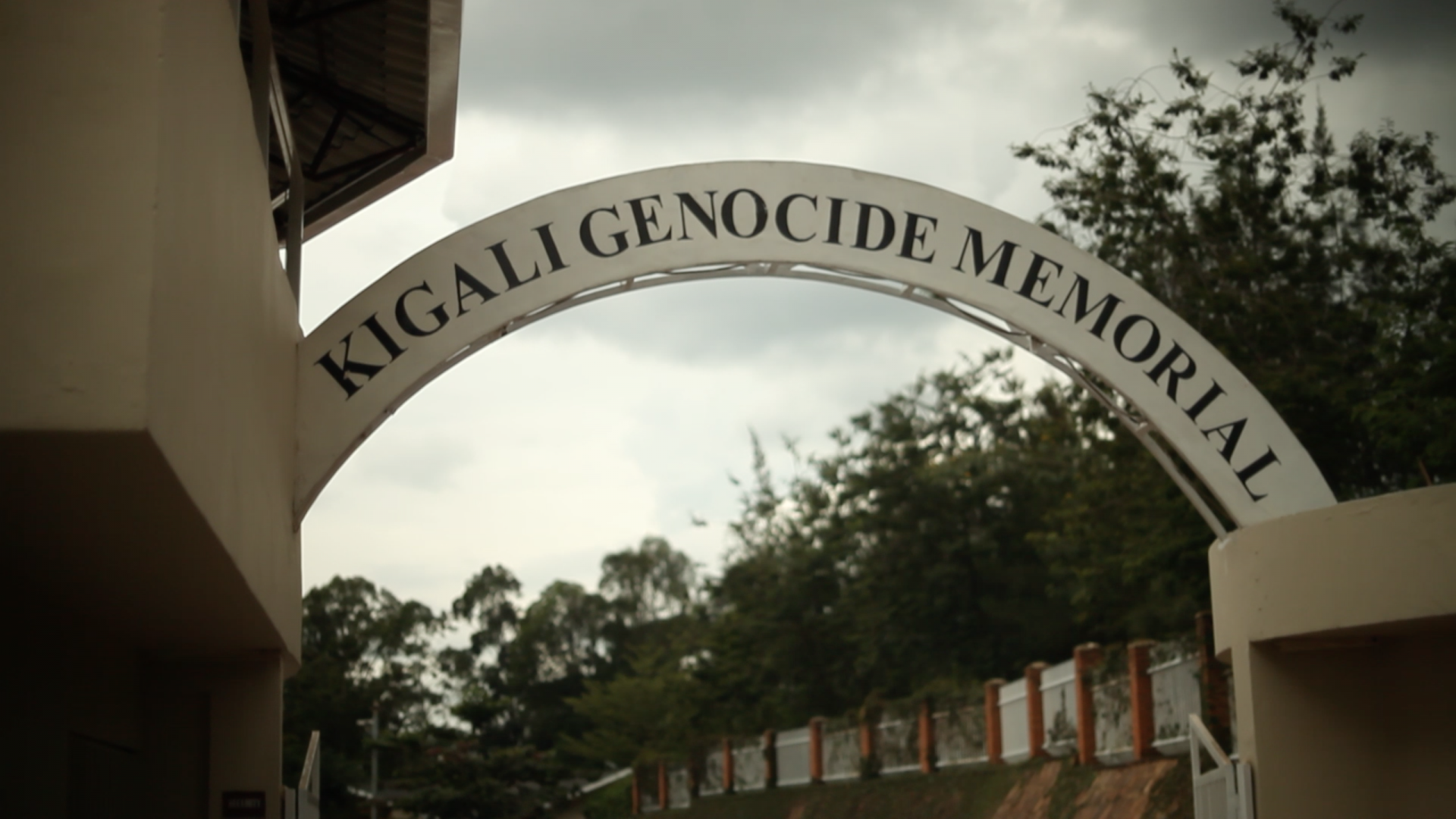
Kigali Genocide Memorial Visit Tips help travelers prepare for a meaningful and respectful experience at one of Rwanda’s most important historical sites. Located in the capital city of Kigali, the memorial serves as a place of remembrance, education, and reflection for people from Rwanda and around the world.
A visit to the Kigali Genocide Memorial offers more than historical information. It provides an opportunity to learn about the 1994 Genocide against the Tutsi, honor the memory of victims, and understand Rwanda’s journey toward healing and reconciliation.
Because the memorial carries deep emotional and historical significance, visitors should approach the experience with respect and sensitivity. Proper preparation allows travelers to engage thoughtfully with the exhibits, stories, and lessons shared at the site.
Understand the Purpose of the Kigali Genocide Memorial
Before visiting, travelers should understand why the Kigali Genocide Memorial exists. The site honors the victims of the genocide and preserves their stories for future generations.
The memorial serves as a burial place for thousands of victims and provides educational exhibitions that explain Rwanda’s history. These displays help visitors understand the events that led to the genocide, the experiences of survivors, and the country’s efforts to rebuild.
Furthermore, the memorial promotes messages of peace, unity, and human dignity. Visitors should recognize that the site represents both remembrance and hope, rather than focusing solely on tragedy.
Plan Your Visit Ahead of Time
One of the most important Kigali Genocide Memorial Visit Tips is to plan before arrival. Checking opening hours, transportation options, and available tour services helps create a smooth experience.
The memorial is located in Kigali, making it easy to reach from many parts of the city. Visitors can use taxis, private transport, or guided tours depending on their travel preferences.
Additionally, allowing enough time for the visit improves the overall experience. Many visitors spend several hours exploring the exhibitions, reading personal stories, and reflecting on what they learn.
Avoid scheduling the memorial visit too closely with other activities. The experience can feel emotional, so giving yourself quiet time afterward allows space for personal reflection.
Dress and Behave Respectfully
Appropriate behavior plays an important role when visiting the Kigali Genocide Memorial. The site represents a place of mourning and remembrance, so visitors should maintain a respectful attitude throughout their visit.
Wearing modest and comfortable clothing shows consideration for the importance of the location. Although there is no strict dress code, visitors should choose clothing suitable for a memorial environment.
Visitors should also maintain a quiet atmosphere inside exhibition areas. Speaking softly, listening carefully, and respecting other guests allows everyone to have a meaningful experience.
Moreover, travelers should avoid treating the memorial like a typical tourist attraction. Taking time to reflect and understand the stories behind the exhibits creates a more respectful visit.
Consider Joining a Guided Tour
A guided tour can make your Kigali Genocide Memorial visit more informative and meaningful. Professional guides provide historical context, explain important details, and answer questions throughout the experience.
Guides help visitors understand the complex history surrounding the genocide while highlighting stories of survival, resilience, and reconciliation. Their knowledge allows travelers to connect with the information on a deeper level.
Additionally, guided tours help visitors navigate sensitive topics with greater understanding. A knowledgeable guide can explain difficult parts of history while providing important background information.
Photography and Visitor Guidelines
One of the important Kigali Genocide Memorial Visit Tips involves understanding photography rules. Visitors should always follow the instructions provided by memorial staff because some areas may have restrictions on taking photos.
Before photographing any part of the memorial, guests should consider whether the image respects the purpose of the site. The memorial exists to honor victims and educate visitors, so photography should never reduce the experience to simple sightseeing.
Additionally, visitors should avoid photographing other guests who may be reflecting or grieving. Respecting personal space allows everyone to experience the memorial in a comfortable and meaningful way.
Take Time to Reflect During Your Visit
The Kigali Genocide Memorial offers a powerful learning experience, and visitors should avoid rushing through the exhibitions. Taking time to read the information, listen to survivor accounts, and reflect on the stories creates a deeper understanding.
Many exhibits share personal experiences from individuals and families affected by the genocide. These stories remind visitors that historical events affect real people and communities.
Furthermore, reflection helps travelers understand Rwanda’s progress toward unity and reconciliation. The memorial does not only discuss loss; it also highlights courage, recovery, and the importance of building a peaceful future.
Learn from Survivor Stories
Survivor stories form an important part of the Kigali Genocide Memorial experience. These personal accounts help visitors understand the human impact of the genocide and the strength of those who survived.
Listening to these stories requires empathy and respect. Each account represents someone’s life experience, and visitors should approach these narratives with care.
Moreover, survivor stories demonstrate the importance of remembering history. By preserving these experiences, Rwanda ensures that future generations can learn valuable lessons about compassion, tolerance, and the consequences of hatred.
Combine the Memorial Visit with Kigali Exploration
Many travelers combine their Kigali Genocide Memorial visit with other cultural and historical experiences in the city. Exploring Kigali allows visitors to understand Rwanda’s transformation and appreciate the country’s culture, cleanliness, and community spirit.
Visitors can explore local markets, cultural centers, art spaces, and neighborhoods that showcase modern Rwandan life. These experiences provide additional context about Rwanda’s journey after the genocide.
However, travelers should maintain a balance between learning about history and exploring present-day Rwanda. The country’s identity includes both remembrance of the past and celebration of progress.
Support Responsible Tourism
Responsible tourism helps protect important historical sites and supports communities connected to them. Visitors can contribute by respecting memorial guidelines, supporting local services, and sharing accurate information about their experiences.
Choosing knowledgeable local guides provides visitors with valuable insights while supporting Rwanda’s tourism industry. Local professionals often provide perspectives that help travelers better understand the country’s history and culture.
Furthermore, responsible visitors help create a respectful environment for others. Every traveler has a role in preserving the dignity and importance of places dedicated to remembrance.
Following these Kigali Genocide Memorial Visit Tips helps travelers create a respectful, educational, and meaningful experience. The memorial offers an opportunity to learn about Rwanda’s history, honor the memory of victims, and understand the country’s journey toward reconciliation.
A visit requires more than curiosity; it requires empathy, respect, and willingness to learn. By approaching the memorial thoughtfully, visitors can gain valuable insights into resilience, forgiveness, and the importance of protecting human dignity.
The Kigali Genocide Memorial stands as a reminder of the past while sharing a message of hope for the future. Through responsible visits and continued education, people from around the world can support the mission of remembrance and peace.