Himba Tribe, Namibia: A Journey into One of Africa’s Last Traditional Cultures
Discover the Timeless Culture of the Himba Tribe.
A Himba tribe Namibian visit is one of the most authentic cultural experiences you can enjoy in Southern Africa. While Namibia is famous for its vast deserts, spectacular wildlife, and dramatic landscapes, the country’s cultural heritage is equally remarkable. The Himba people, who live mainly in the remote Kunene Region of northwestern Namibia, have preserved their traditional lifestyle for generations. Visiting a Himba village offers travelers the rare opportunity to learn about a community whose customs, beliefs, and way of life remain deeply connected to nature and ancestral traditions.
Unlike many cultural attractions that focus only on performances, a visit to a Himba village allows you to interact with the community, understand their daily routines, and appreciate their rich heritage in a respectful and meaningful way.
Who Are the Himba People?
The Himba are a semi-nomadic pastoralist community known for their striking appearance and strong cultural identity. They rely mainly on cattle, goats, and sheep for their livelihood and continue to practice traditions that have been passed down through countless generations. Their villages consist of simple homes built from wood, mud, and dung, reflecting a lifestyle that has adapted perfectly to Namibia’s harsh environment.
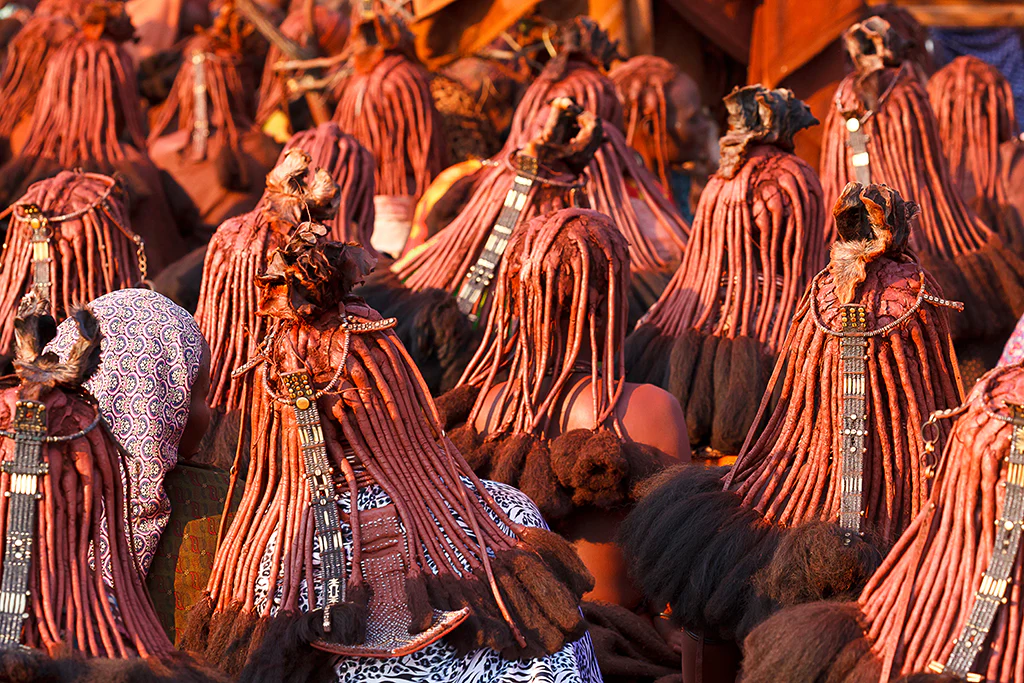
The Himba are perhaps best recognized for the distinctive red color of their skin and hair. Women apply a mixture called otjize, made from butterfat and red ochre, which protects their skin from the sun while symbolizing beauty, health, and cultural identity. Their intricate hairstyles and handmade jewelry also communicate important information such as age, family status, and social position within the community.
Where Can You Visit the Himba Tribe?
Most Himba communities are found in the Kunene Region, formerly known as Kaokoland. The town of Opuwo serves as the main gateway for travelers wishing to visit traditional villages. Many visitors combine their cultural experience with a safari in Etosha National Park, a journey to Epupa Falls, or an exploration of Namibia’s spectacular desert landscapes.
The remote location of many Himba settlements adds to the authenticity of the experience. Traveling through rugged mountains, dry riverbeds, and wide open plains offers an unforgettable adventure before you even reach the village.
What to Expect During a Himba Village Visit
A Himba tribe visit in Namibia introduces you to a completely different way of life. Local guides help bridge the language barrier while explaining the traditions, customs, and beliefs that shape daily life within the community. Visitors often have the opportunity to tour the village, observe traditional homes, learn about livestock management, discover ancient beauty rituals, and hear stories about the Himba’s history and spiritual beliefs.
Many families are happy to answer respectful questions, demonstrate traditional crafts, and share aspects of their daily routine. The experience is educational, personal, and inspiring, giving visitors a deeper appreciation for one of Africa’s most resilient indigenous cultures.
The Importance of Respectful Cultural Tourism
A Himba village visit should always be approached with respect and sensitivity. Ethical tourism benefits both visitors and local communities by encouraging cultural preservation while providing income that supports education, healthcare, and community development. Reputable guides seek permission before visits and ensure that guests understand local customs, including asking before taking photographs and respecting private spaces.
Responsible travel allows cultural traditions to thrive while creating genuine exchanges between visitors and the Himba people.
Best Time to Visit the Himba Tribe
The Himba can be visited throughout the year, although the dry season from May to October offers more comfortable travel conditions. Roads are generally easier to navigate, wildlife viewing in nearby parks is excellent, and temperatures remain pleasant for outdoor exploration. Travelers during the rainy season may experience greener landscapes and fewer visitors, although some remote roads can become more challenging.
Combine Your Himba Experience with a Namibia Safari
Many travelers include a Himba tribe Namibian visit as part of a broader Namibian adventure. Combining cultural experiences with Etosha National Park, Damaraland, the Skeleton Coast, Sossusvlei, and Epupa Falls creates a diverse itinerary that showcases both the natural beauty and cultural richness of Namibia.
This combination allows visitors to encounter Africa’s famous wildlife while also connecting with the people whose traditions have shaped the country’s identity for centuries.
Why Visit the Himba Tribe?
A Himba-tribe Namibian visit offers much more than sightseeing. It provides an opportunity to understand resilience, tradition, and the enduring relationship between people and nature. Every conversation, cultural demonstration, and shared story creates memories that remain long after your journey ends.
For travelers seeking authentic cultural experiences beyond wildlife safaris, meeting the Himba people is one of Namibia’s most rewarding adventures. It is a journey that encourages understanding, respect, and appreciation for one of Africa’s most fascinating indigenous communities.
Plan Your Himba Tribe, Namibia, Visit
Step beyond the ordinary and experience the living traditions of the Himba people in northern Namibia. Whether you are exploring the country for its spectacular landscapes, remarkable wildlife, or vibrant cultures, a visit to a Himba village will become one of the most memorable highlights of your African journey.