Gorilla Habituation Explained: Understanding How Gorillas Get Used to Humans
What Is Gorilla Habituation?
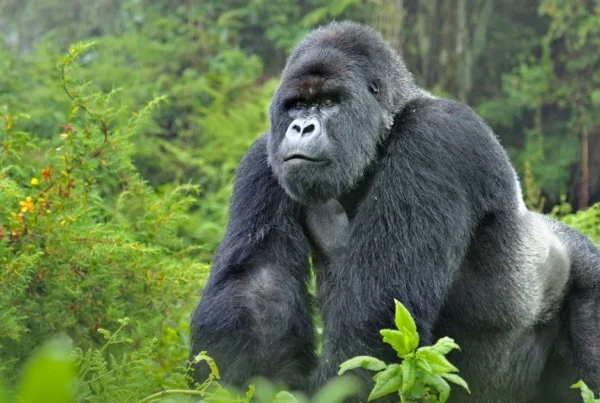
Gorilla habituation is the process of gradually helping wild gorillas become comfortable with the presence of humans. It allows researchers, conservation teams, and selected visitors to observe gorillas in their natural habitat without causing fear or changing their normal behavior.
Unlike domesticated animals, habituated gorillas remain completely wild. They continue to search for food, interact with their families, and live according to their natural instincts.
Gorilla habituation plays an important role in conservation. It helps researchers study gorilla behavior, monitor their health, and protect these endangered animals.
How Does Gorilla Habituation Begin?
Gorilla habituation takes many years and requires patience. Experienced researchers and trackers identify a gorilla group suitable for habituation. They then begin visiting the group regularly while keeping a safe distance.
At the beginning, gorillas may avoid humans or show signs of fear. Over time, they become familiar with the presence, voices, and movements of the research teams.
The process is slow because the goal is not to make gorillas friendly or dependent on humans. The goal is to help them accept human observers while maintaining their wild behavior.
How Long Does Gorilla Habituation Take?
Gorilla habituation usually takes around two to five years, although the exact time depends on the gorilla group and environmental conditions. Some groups adapt faster, while others require more time. Researchers carefully monitor each stage to ensure the gorillas remain healthy and comfortable.
Only after experts confirm that a group has fully adjusted can it become available for controlled tourism activities.
The Role of Researchers and Trackers
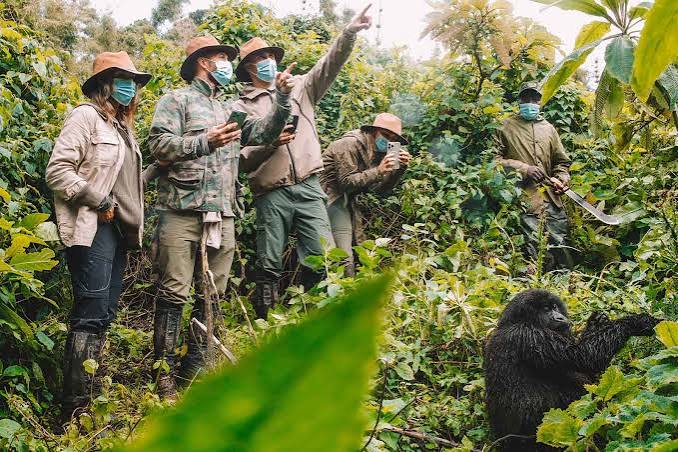
Researchers and trackers play a major role during gorilla habituation. They observe gorilla movements, study social relationships, and collect important information about health and behavior. Trackers also help locate gorilla groups in the forest. Their knowledge of the terrain and gorilla habits allows visitors and researchers to approach the animals safely.
Their work supports long-term conservation and helps protect gorilla populations.
Gorilla Habituation Experience vs. Gorilla Trekking
Gorilla trekking and gorilla habituation experiences offer different ways to see these incredible animals.
During regular gorilla trekking, visitors spend about one hour with a fully habituated gorilla family. The experience allows guests to observe feeding, playing, resting, and social interactions.
A gorilla habituation experience allows visitors to spend up to four hours with a gorilla family that is still undergoing the habituation process. This provides more time to observe their behavior and learn about conservation efforts.
Where Can You Experience Gorilla Habituation?
Uganda is one of the best places for gorilla habituation experiences. Visitors can take part in this activity in Bwindi Impenetrable National Park, especially in selected sectors where conservation teams work with gorilla families.
The experience offers a deeper connection with gorilla conservation and provides insight into the work involved in protecting these endangered primates.
Why Gorilla Habituation Is Important
Gorilla habituation helps protect mountain gorillas by supporting scientific research and responsible tourism. Researchers gain valuable knowledge about gorilla health, reproduction, and social behavior. Tourism revenue from gorilla experiences supports conservation programs, forest protection, and community projects around gorilla habitats.
Without careful habituation, observing gorillas in the wild would be more difficult and could create stress for these animals.
Does Habituation Change Gorilla Behavior?
A successful habituation process does not make gorillas behave like domestic animals. They remain independent and continue following their natural routines. They still choose where to move, what to eat, and how to interact with other members of their family. Humans simply become a familiar presence within their environment.
The Importance of Responsible Gorilla Encounters
Visitors must follow strict guidelines during gorilla encounters. These rules protect both humans and gorillas. Maintaining distance, avoiding loud noises, following the guide’s instructions, and respecting the animals’ space help create safe and responsible experiences.
Plan Your Gorilla Habituation Experience
A gorilla habituation experience offers a rare opportunity to witness the journey of conservation firsthand. Spending extra time with a gorilla family provides deeper insight into their personalities, relationships, and daily lives.
Exploring the forests of Uganda while learning about gorilla protection creates a meaningful adventure that supports the survival of one of Africa’s most treasured species.