Cultural Tips – How to Engage Respectfully in Bwindi and Rural Uganda
Cultural interaction in and around Bwindi Impenetrable National Park is an essential part of the travel experience, especially for visitors moving beyond gorilla trekking into surrounding communities. The region is primarily inhabited by Bakiga farming communities, alongside the Batwa people, whose history is deeply tied to the forest. Life here is shaped by agriculture, strong family ties, and close-knit village structures.
Culture in Bwindi is lived rather than performed. Daily routines revolve around farming, markets, church gatherings, and communal support. Visitors who approach interactions with patience and humility are often welcomed warmly, while those who rush or treat culture as an attraction may miss its deeper meaning.
Respectful Communication and Greetings
Greetings matter greatly in rural Uganda and often set the tone for any interaction. Taking time to greet people before asking questions or taking photographs shows respect and cultural awareness. Simple greetings, smiles, and eye contact are valued more than fluent language skills.
Conversations tend to begin slowly and politely. Asking about someone’s day, family, or work before moving into specific topics creates comfort and trust. Loud or abrupt behavior can be perceived as disrespectful, particularly among elders and community leaders.
Dress Code and Personal Appearance
Dress is an important cultural signal in villages around Bwindi. Modest clothing is strongly recommended, especially when visiting homes, schools, churches, or cultural sites. Covering shoulders and wearing trousers or skirts that reach the knee demonstrates respect for local norms.
While safari attire is common, overly revealing clothing can make residents uncomfortable. Dressing modestly does not limit comfort but instead helps visitors blend in and engage more naturally with the community.
Photography and Consent
Photography should always be approached with sensitivity. Asking permission before photographing individuals, homes, or cultural activities is essential. Some people may decline, and that decision should be respected without question.
Children are often curious and friendly, but photographing them without consent from parents or guardians is discouraged. Taking time to interact before photographing often leads to more meaningful moments and genuine expressions rather than staged images.
Understanding the Batwa Cultural Context
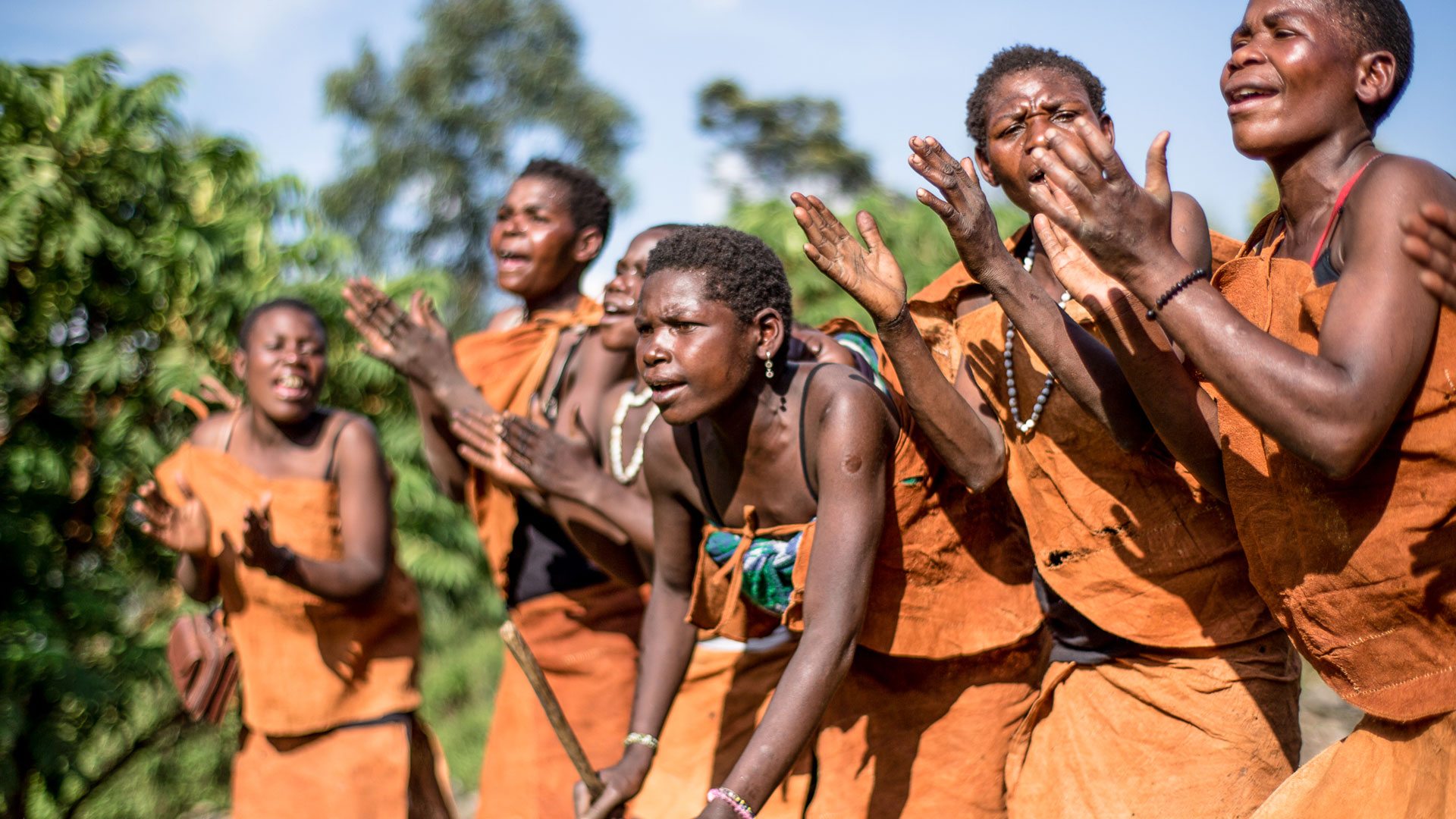
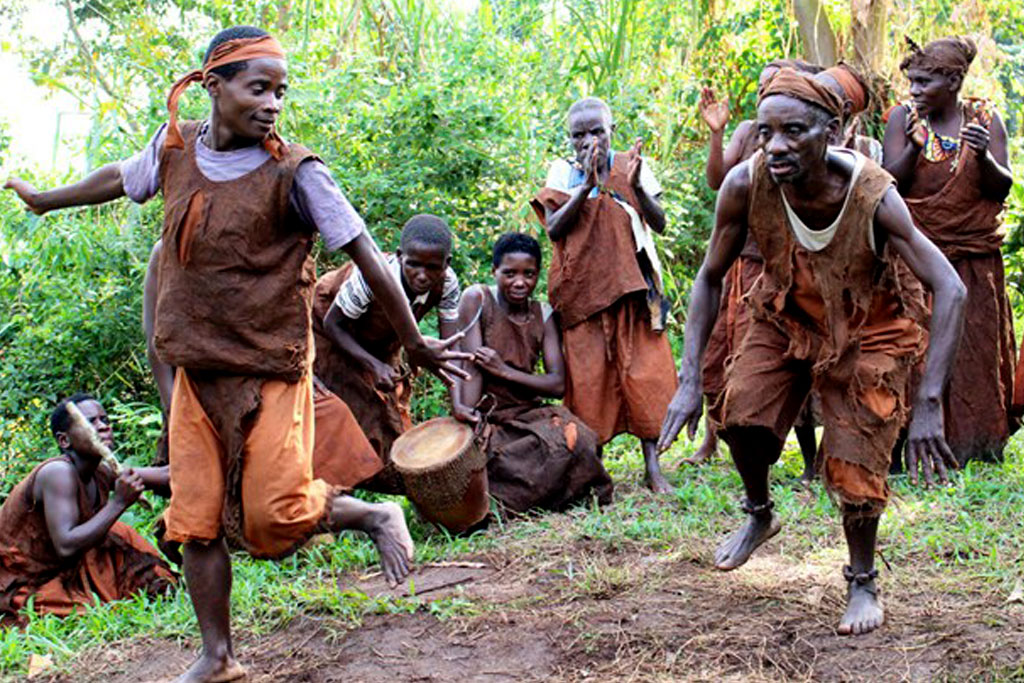
The Batwa people hold a unique cultural position around Bwindi as the forest’s original inhabitants. Batwa cultural experiences focus on storytelling, traditional knowledge, music, and survival skills rather than spectacle. Visitors should approach these encounters as educational exchanges rather than entertainment.
Listening attentively and asking thoughtful questions shows respect for Batwa history and resilience. These experiences often carry emotional weight, as they reflect displacement and adaptation. Sensitivity and openness enrich both visitor understanding and host dignity.
Gift-Giving and Community Support
Spontaneous gift-giving, especially to children, is discouraged as it can create dependency and imbalance. If visitors wish to support communities, doing so through structured programs, schools, cooperatives, or community-led initiatives is more appropriate.
Purchasing locally made crafts or paying for guided cultural activities directly supports livelihoods in a dignified way. These transactions value skills and effort rather than charity, strengthening long-term community benefits.
Behavior in Homes and Villages
When invited into a home, guests are expected to behave with humility and appreciation. Accepting offered seating or refreshments, even symbolically, is considered polite. Removing shoes may be requested in some households, and observing cues from hosts helps guide behavior.
Children may greet visitors openly and follow along out of curiosity. Responding kindly but calmly reinforces positive interaction without encouraging disruption. Respect for elders remains central, and elders are often the first to be addressed in group settings.
Religion and Beliefs
Religion plays a central role in daily life for many communities around Bwindi. Christianity is widely practiced, alongside traditional beliefs and cultural customs. Sundays and religious holidays are important, and visitors may notice reduced activity or increased gatherings.
Respecting religious practices, avoiding criticism, and dressing appropriately near churches or during services demonstrates cultural awareness. Participation is usually welcomed when invited, though observation alone is equally acceptable.
Cultural Sensitivity During Guided Visits
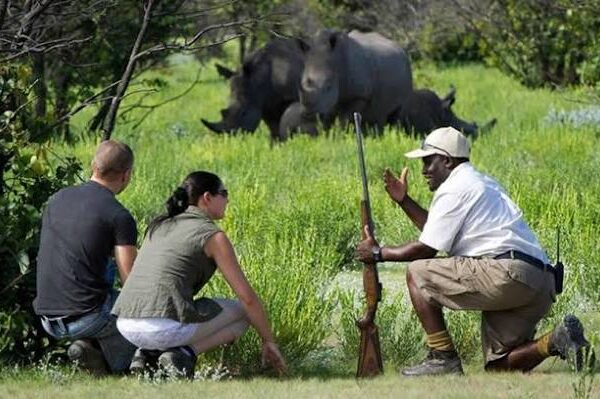
Many cultural encounters around Bwindi are facilitated by local guides who act as cultural interpreters. Listening to guides and following their advice helps avoid misunderstandings. Guides often explain context, taboos, and expectations before entering villages or cultural spaces.
Visitors who engage actively but respectfully gain deeper insight into local life. Cultural sensitivity transforms guided visits from surface-level activities into meaningful exchanges.
Why Cultural Awareness Matters
Cultural respect strengthens conservation outcomes. Communities that feel respected and valued are more likely to support tourism and wildlife protection. Cultural awareness also protects travelers from uncomfortable situations and enriches their overall experience.
Understanding culture adds depth to gorilla trekking by connecting wildlife conservation with human stories. It reminds visitors that Bwindi is not only a forest but a lived landscape shaped by people as much as nature.
Plan Your Safari
Approaching culture with curiosity, humility, and patience enhances every visit to Bwindi and rural Uganda. Allowing time for community interaction, listening more than speaking, and respecting local norms creates meaningful connections. Cultural awareness turns a safari into a shared human experience that extends far beyond wildlife sightings.