Wildlife Advice in Bwindi Impenetrable Forest
Bwindi Impenetrable National Park is a dense, ancient rainforest where wildlife lives in close quarters within thick vegetation and steep terrain. Unlike open savannah parks, animals in Bwindi are rarely seen from a distance or from vehicles. Wildlife encounters here are intimate, sudden, and often at close range, which makes understanding animal behavior and forest etiquette essential for a safe and rewarding visit.
Bwindi’s wildlife includes mountain gorillas, forest elephants, chimpanzees, monkeys, antelope species, birds, reptiles, and countless insects. Most animals avoid humans, but the forest environment means encounters can happen unexpectedly. Good preparation and adherence to ranger guidance ensure these encounters remain safe for both visitors and wildlife.
Gorilla-Specific Wildlife Advice
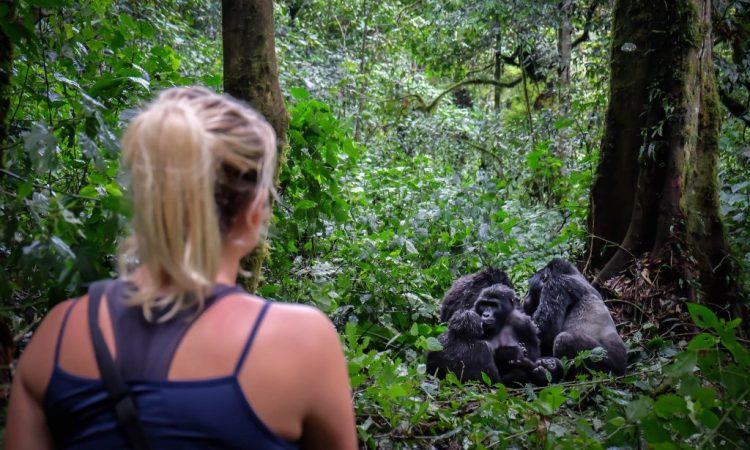
Mountain gorillas are the main focus for most visitors to Bwindi, and they are highly protected. During trekking, visitors are required to follow strict rules designed to minimize stress and disease transmission. Gorillas share a high percentage of DNA with humans, making them vulnerable to human illnesses.
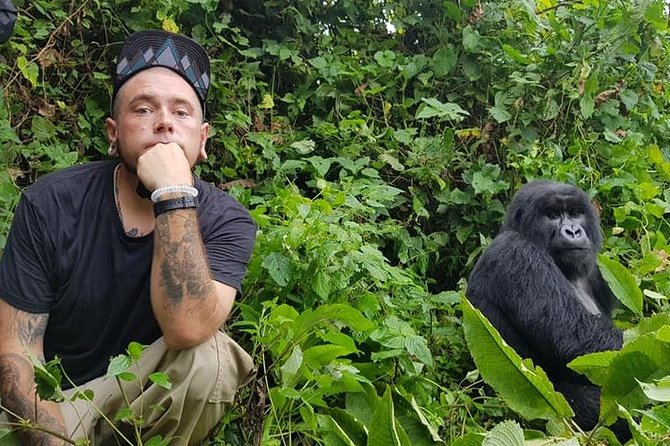
Maintaining distance, avoiding sudden movements, and keeping voices low are essential behaviors. If a gorilla approaches, visitors should remain calm, avoid eye contact, and follow ranger instructions. These practices protect the gorillas while also ensuring visitor safety during close encounters.
Other Mammals You May Encounter
Beyond gorillas, Bwindi is home to forest elephants, bush pigs, giant forest hogs, and several antelope species such as duikers. These animals are more elusive than savannah wildlife and are often heard before they are seen. Signs such as broken vegetation, footprints, or fresh droppings indicate their presence.
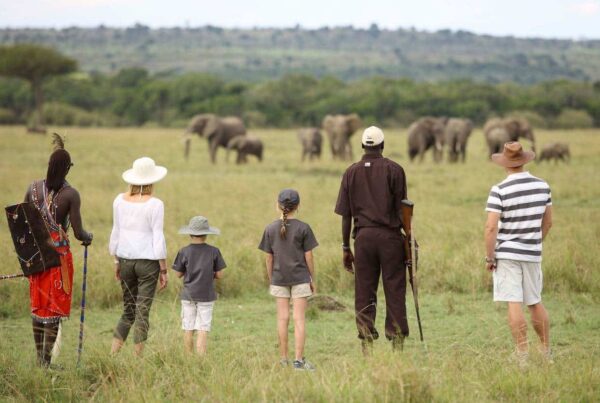
Forest elephants, while rarely encountered directly, require particular respect. If encountered, visitors should remain quiet, avoid blocking paths, and follow ranger instructions immediately. Rangers are trained to read animal behavior and adjust routes to avoid unnecessary disturbance.
Primates and Smaller Wildlife
Bwindi hosts several primate species including black-and-white colobus monkeys, L’Hoest’s monkeys, blue monkeys, and chimpanzees. These primates move quickly through the canopy and may cross trails unexpectedly. Observing them quietly enhances sightings and prevents stress.
Smaller mammals, reptiles, amphibians, and insects are an integral part of Bwindi’s ecosystem. Visitors should watch where they step, especially on narrow trails and in damp areas where insects and frogs are active. Wearing appropriate footwear and clothing reduces discomfort and risk.
How to Behave During Wildlife Encounters
Calm and predictable behavior is the foundation of wildlife safety in Bwindi. Sudden movements, loud noises, or attempts to approach animals can trigger defensive responses. Rangers lead treks not only to locate wildlife but also to manage group behavior and ensure safe distances are maintained.
Listening carefully to instructions before and during activities is essential. Rangers may ask groups to stop, crouch, or change direction depending on animal movements. These decisions are based on experience and real-time assessment of wildlife behavior.
Wildlife Viewing Beyond Gorilla Trekking
Wildlife in Bwindi is not limited to trekking days. Animals frequently move near lodges, along access roads, and at forest edges, especially early in the morning or late afternoon. Visitors may spot monkeys, birds, and smaller mammals around accommodation areas.
Nighttime brings a different set of wildlife behaviors. Nocturnal animals become active, and sounds of the forest intensify. Walking at night should only be done in designated areas or with guides, as visibility is limited and wildlife movement increases after dark.
Health, Safety, and Wildlife Awareness
Wildlife advice in Bwindi also includes personal health considerations. Insects are abundant, and using insect repellent reduces the risk of bites. Long sleeves and trousers protect against scratches and stings while moving through dense vegetation.
Food should never be left unattended, as animals may be attracted to it. Waste must be disposed of properly to avoid altering wildlife behavior. These practices help maintain natural feeding patterns and reduce human-wildlife conflict.
Conservation and Respectful Interaction
Bwindi’s wildlife thrives because of strict conservation measures and responsible tourism. Visitors play a direct role in maintaining this balance. Respecting wildlife rules ensures that animals remain wild and undisturbed while future generations can enjoy the same experiences.
Understanding that every action in the forest has an impact encourages mindful travel. Wildlife advice is not about restriction but about coexistence within a fragile ecosystem.
Why Wildlife Awareness Matters in Bwindi
Bwindi is not a controlled zoo environment but a living, breathing rainforest. Wildlife behaves naturally, and encounters are shaped by chance, terrain, and animal behavior. Awareness and respect transform potential risks into meaningful, safe experiences.
For many travelers, the raw and unpredictable nature of Bwindi is what makes it unforgettable. Proper wildlife awareness allows visitors to fully appreciate this authenticity without compromising safety.
Plan Your Safari
Preparing for wildlife encounters in Bwindi involves listening to ranger briefings, packing appropriately, and approaching the forest with patience and respect. With the right mindset, Bwindi offers one of Africa’s most powerful wildlife experiences, where conservation, safety, and wonder come together in a truly unique setting.