What Kinds of Birds Can You See in Bwindi?
Bwindi Impenetrable National Park is one of Africa’s most important birding destinations, recognized globally for its exceptional diversity and high number of endemic species. The park protects over 350 recorded bird species, making it a prime location for both serious birdwatchers and casual nature lovers. Bwindi’s ancient rainforest, combined with its wide altitude range, creates ideal habitats for forest specialists that are rarely seen elsewhere.
Birdlife in Bwindi is not concentrated in open savannahs or wetlands but woven deep into the forest itself. Many species live within the canopy, undergrowth, and forest edges, rewarding patient observation and guided walks. Birding here is immersive and intimate, often accompanied by forest sounds, mist, and filtered light.
Albertine Rift Endemic Birds
Bwindi is especially famous for hosting Albertine Rift endemics, a group of bird species found only in this narrow ecological zone of East and Central Africa. These birds are among the main reasons Bwindi ranks so highly for bird conservation. One of the most sought-after species is the African Green Broadbill, which thrives in Bwindi’s dense mid-altitude forest and is considered a highlight sighting for visiting birders.
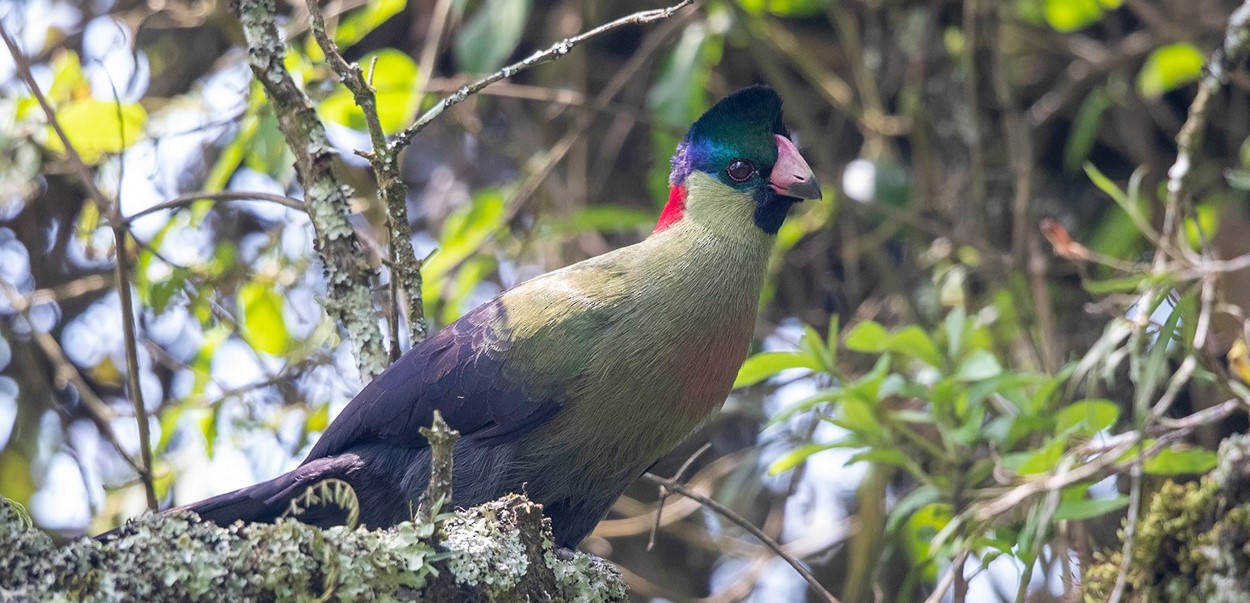
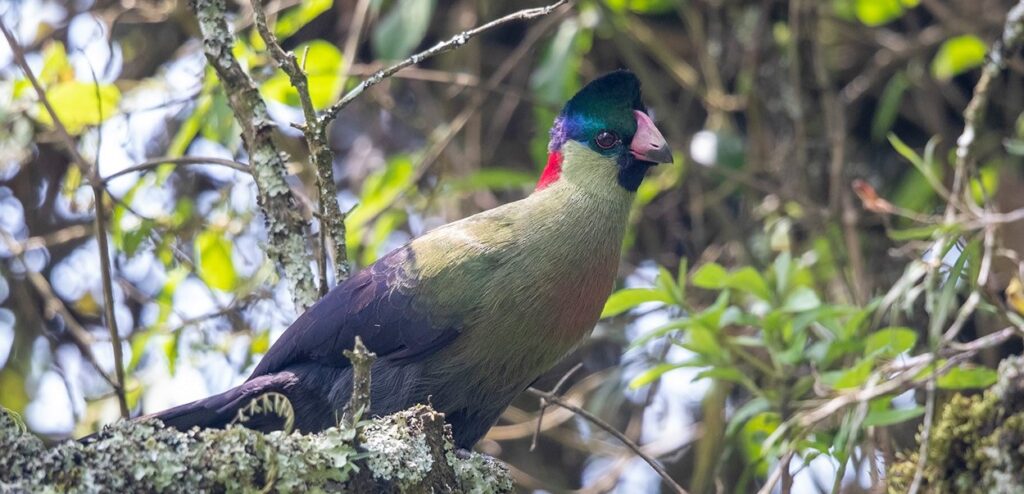
Other notable Albertine Rift endemics include species such as the Grauer’s Rush Warbler, Regal Sunbird, and Ruwenzori Turaco. Many of these birds depend on intact forest, making Bwindi’s protection critical to their survival. Seeing several endemics in a single outing is common with an experienced guide.
Forest Canopy and Understory Birds
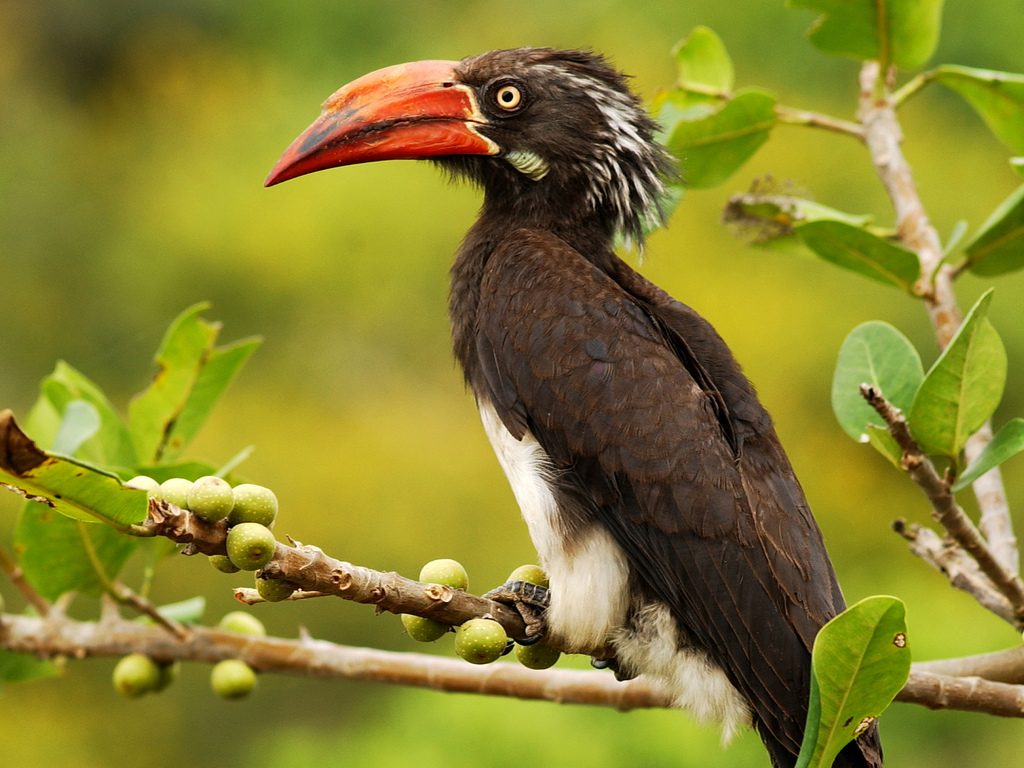
Bwindi’s layered forest structure supports a wide range of canopy and understory species. In the higher branches, visitors often spot turacos, hornbills, and fruit-eating pigeons moving between trees. Their calls frequently echo through the forest long before they are seen.
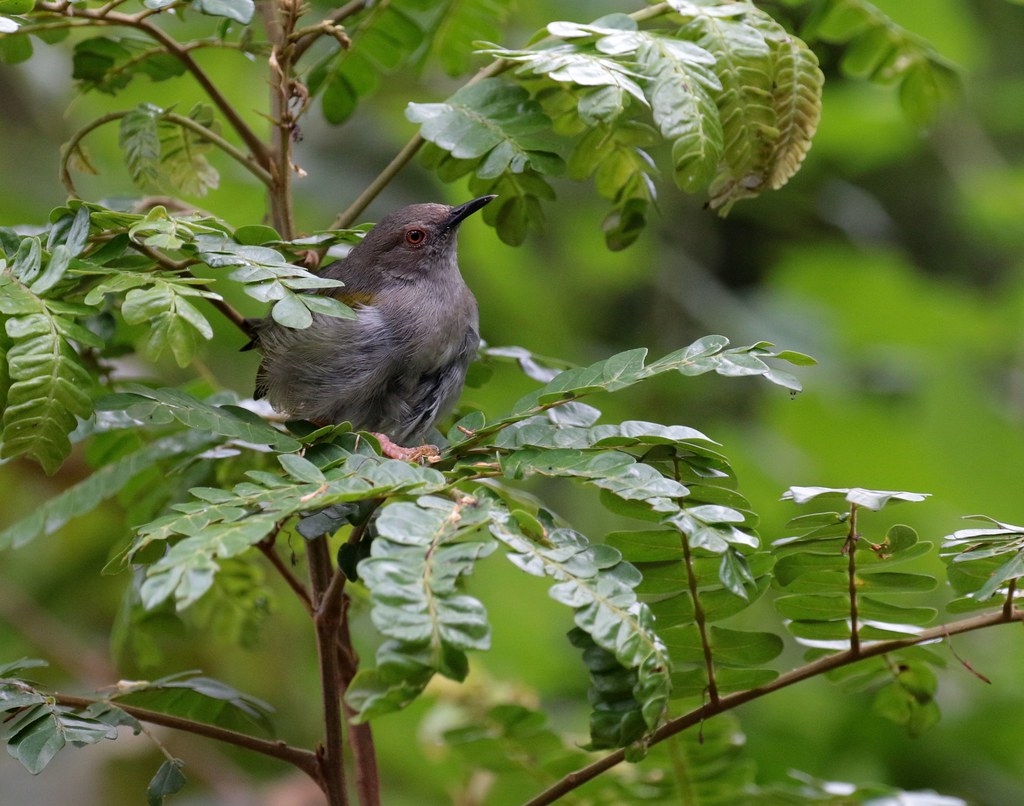
Closer to the ground, skulking species such as forest robins, apalises, and warblers inhabit thick vegetation. These birds are more often heard than seen, but guided bird walks increase the chances of visual encounters. The diversity of niches within Bwindi’s forest allows many species to coexist in a relatively small area.
Sunbirds, Flycatchers, and Colorful Species
Bwindi is rich in colorful and visually striking birds, particularly sunbirds and flycatchers. Sunbirds flit between flowering plants, displaying iridescent plumage that stands out even in low forest light. Several species occur at different elevations, meaning sightings vary by sector and trail.
Flycatchers and batis species are also common, often perching quietly before darting out to catch insects. These birds add movement and vibrancy to forest walks and are frequently encountered along established birding trails and forest edges.
Raptors and Nocturnal Birds
Although Bwindi is best known for forest birds, it also supports a variety of raptors and nocturnal species. Forest hawks and eagles occasionally soar above clearings or perch in tall emergent trees. Their presence indicates a healthy ecosystem with balanced food chains.
At night, Bwindi reveals another layer of birdlife. Owls, nightjars, and other nocturnal species become active after dusk. Guided night walks near lodges or forest edges offer opportunities to hear and sometimes see these elusive birds, adding depth to the birding experience.
Sector Differences and Birding Hotspots
Bird species distribution in Bwindi varies slightly by altitude and sector. Higher-altitude areas such as Ruhija are particularly well known for Albertine Rift endemics and cooler-climate species. Lower and mid-altitude zones around Buhoma support a broader mix of forest birds and edge species.
Established birding trails, especially those leading through primary forest and along forest edges, provide the best opportunities for sightings. The presence of experienced local bird guides significantly enhances success, as many species are identified by call before they are seen.
Best Time of Day and Seasonal Considerations
Birding in Bwindi is most productive early in the morning when birds are most active and vocal. Misty conditions often enhance sound travel through the forest, making it easier to locate species by call. Late afternoon can also be rewarding, particularly along forest edges.
Birdlife is present year-round, but wetter months often bring increased vocal activity and breeding behavior. Migratory species add to the diversity during certain times of the year, though Bwindi’s core appeal lies in its resident forest birds rather than seasonal migrants.
Birding Combined with Gorilla Trekking
Many visitors encounter birds incidentally during gorilla treks, as trails pass through prime bird habitat. While gorilla trekking focuses on primates, bird sightings along the way add richness to the experience. Dedicated birding walks, however, allow more time and flexibility to focus on species identification.
For travelers interested in both wildlife and birds, Bwindi offers a rare combination. Few places in Africa allow encounters with mountain gorillas and globally significant bird species within the same forest.
Why Bwindi Is a Top Birding Destination
Bwindi’s value lies not just in the number of species but in their uniqueness. The presence of rare endemics, intact rainforest habitat, and varied altitude zones places Bwindi among Africa’s elite birding locations. It is a destination where patience is rewarded and where each walk reveals something new.
Even non-specialist birdwatchers often leave Bwindi with a deeper appreciation for forest ecosystems and avian diversity, shaped by the park’s immersive environment.
Plan Your Safari
Birdwatching in Bwindi is best experienced with knowledgeable local guides and sufficient time to explore different forest zones. Allowing dedicated birding walks alongside other activities enhances understanding and enjoyment. Whether you are a seasoned birder or a curious traveler, Bwindi offers one of Africa’s richest and most rewarding birding experiences.