Gorilla Trekking Rules and Etiquette Explained
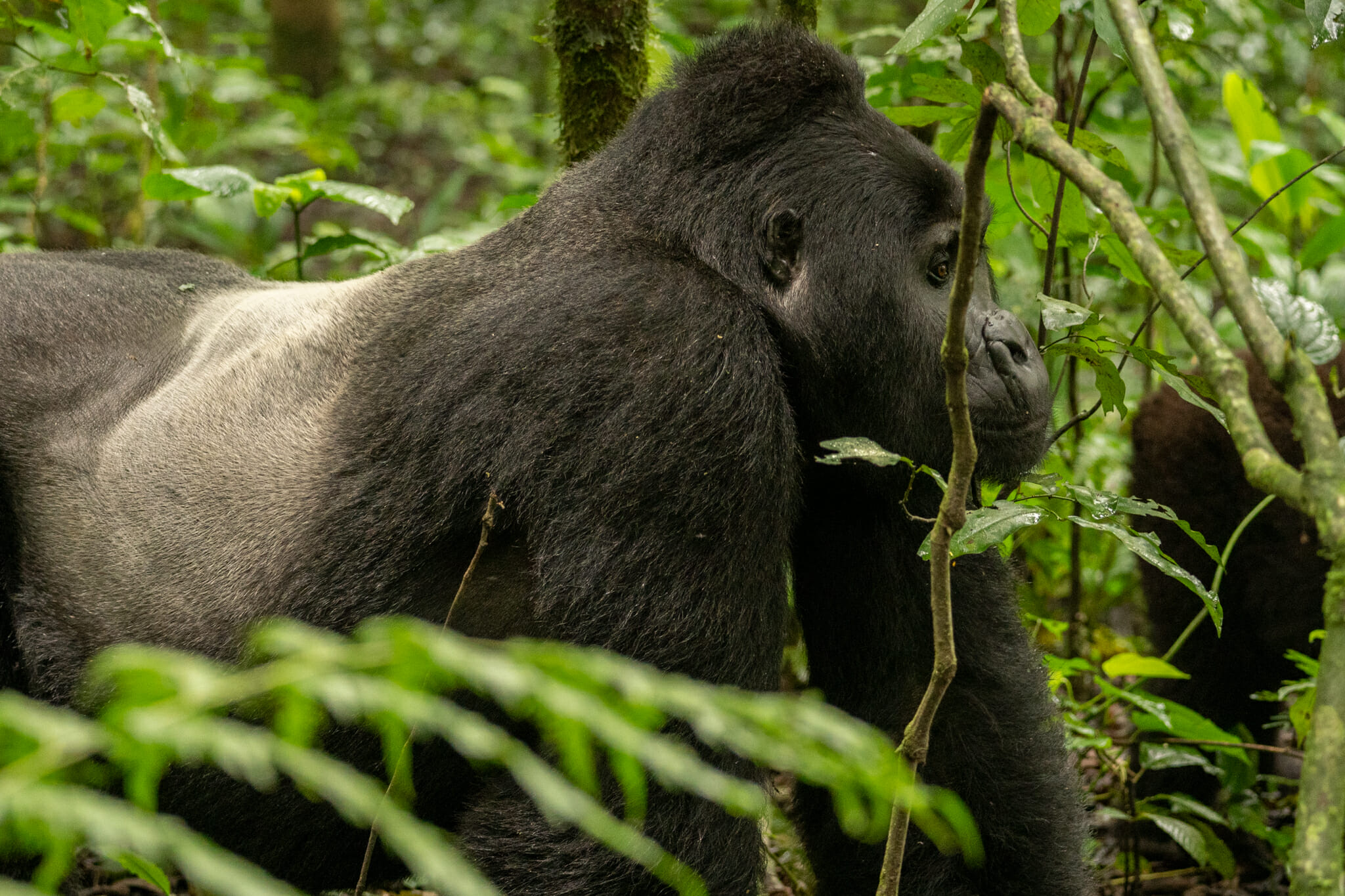
Gorilla trekking rules protect the gorillas, the forest, and the trekkers who enter their habitat. Mountain gorillas share close DNA with humans, so simple behaviours can influence their health and comfort. The forests in Rwanda, Uganda, and Congo hold strict guidelines that create safe and respectful interactions. When trekkers follow these rules, the encounter becomes calm, natural, and deeply moving. Understanding the etiquette before the trek ensures that every moment with the gorilla family feels balanced and meaningful.
Keep a Safe Viewing Distance
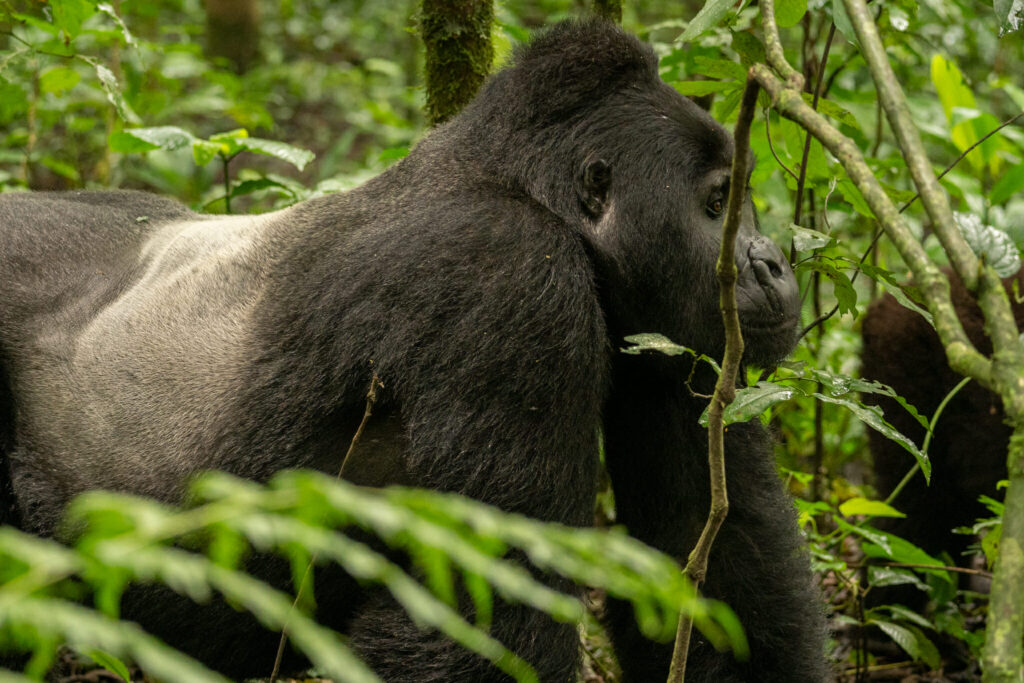
Trekkers maintain a respectful distance to protect the gorillas from stress and human diseases. Mountain gorillas behave calmly when given enough space. The distance also keeps trekkers safe, especially when infants move close to the group. Gorillas approach on their own terms, but humans step back to create comfort. This distance sets the tone for a peaceful encounter.
Follow Ranger Instructions
Rangers guide every movement in the forest. They understand gorilla behaviour, feeding patterns, and comfort levels. Rangers read signs from the silverback and explain where to stand, how to move, and how to position cameras. Their guidance shapes the flow of the encounter. Trekkers who listen stay safe and enjoy stronger moments with the gorilla family.
Use Calm Voices and Controlled Movements
Gorillas react well to quiet environments. Calm voices keep the forest peaceful, and slow movements help maintain trust. Sudden gestures confuse or unsettle gorillas, especially young ones. Gentle behaviour creates a relaxed atmosphere that supports natural gorilla activity. This approach allows trekkers to observe feeding, grooming, and resting without disturbance.
Avoid Direct Eye Contact With the Silverback
Silverbacks understand direct eye contact as a challenge. Brief glances are fine, but long stares signal dominance. Looking slightly downward shows respect and keeps communication neutral. This simple behaviour builds harmony during the hour spent with the family.
Wear a Mask to Protect the Gorillas
Masks reduce the risk of passing respiratory infections to the gorillas. Gorillas share almost all their DNA with humans, so even a simple illness affects them quickly. The mask rule ensures long-term conservation and keeps gorilla families healthy and stable.
Do Not Eat or Drink Near the Gorillas
Food smells attract infants and juveniles. Eating near the gorillas disrupts their natural behaviour. Trekkers eat snacks before or after the encounter, far from the family. This keeps the interaction clean and respectful.
Keep Flash Off
Flash disturbs gorillas and distracts them during feeding or grooming. Natural light suits their comfort. The forest offers soft, filtered light that creates beautiful photography without flash.
Do Not Touch the Gorillas
Gorillas behave peacefully when humans respect their space. Touching breaks the natural boundary and creates confusion. Infants sometimes come close out of curiosity, but trekkers step back gently. This keeps the family calm and safe.
Stay With the Group
Trekkers walk together as one unit. The forest grows thick and easy to misread. Staying with the group keeps everyone safe, especially when the gorillas move. Rangers coordinate movement and ensure every trekker stays within view.
Avoid Visiting Gorillas When Sick
Illness threatens gorilla health. Even mild infections spread quickly. Trekkers who feel unwell choose another date to protect the family. This rule keeps gorillas strong and supports conservation.
Why Gorilla Trekking Etiquette Matters
Gorilla etiquette creates harmony between humans and gorillas. When trekkers follow guidelines, gorillas behave naturally and continue feeding, playing, and grooming. The rules protect the forest, support conservation, and create memorable encounters. Respect becomes the foundation of every successful trek.
Plan Your Safari
If you want this turned into a short version, poster version, or printable rule guide, I can format it instantly.