Community Projects Supported by Rwanda’s Gorilla Tourism Revenue
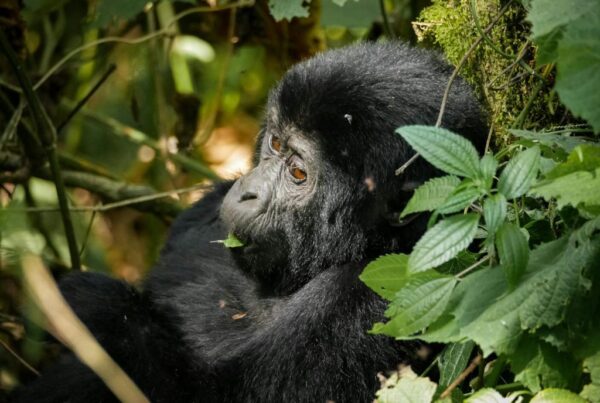
Community projects Rwanda gorillas. Rwanda uses gorilla tourism revenue to support communities living around Volcanoes National Park. These communities share borders with the gorilla habitat, so their wellbeing strengthens conservation. When gorilla tourism grows, the benefits flow directly into schools, health centres, roads, housing, and livelihood programs. This approach creates trust, reduces conflict, and gives families strong reasons to protect the gorillas and the forest. Rwanda’s revenue-sharing model stands among the most successful in Africa because it lifts communities while supporting long-term conservation.
The Revenue-Sharing Model
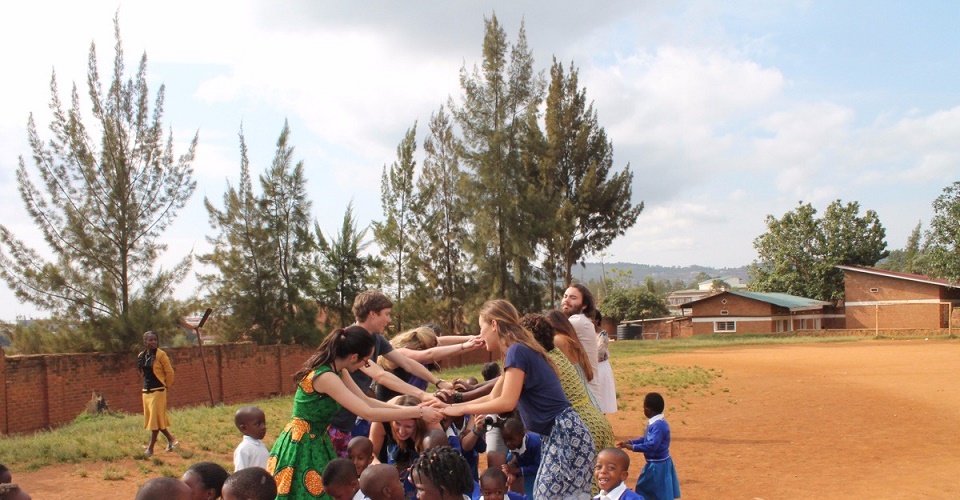
Rwanda allocates a percentage of gorilla tourism revenue to community projects. This system directs funds to villages around the park. Local leaders identify priority needs, and the projects grow from these decisions. The model encourages collaboration between conservation teams and local residents. It creates a shared sense of responsibility and turns tourism into a tool for development.
Schools and Education Programs
Many new schools around Volcanoes National Park came from gorilla tourism revenue. Classrooms now support more learners with better facilities. Children study in safe, clean environments with enough space and learning materials. Education programs also include conservation lessons that teach young people the value of mountain gorillas and the forest. These programs inspire future conservationists and strengthen community pride.
Health Centres and Medical Access
Health centres built through tourism revenue improve medical access in remote villages. Families reach care faster and receive treatment in well-equipped facilities. These centres reduce long travel distances and support maternal care, vaccinations, and emergency services. Good health strengthens community resilience and improves daily life around the park.
Clean Water and Sanitation Projects
Several villages now access clean water because of pipes, tanks, and protected springs funded by gorilla tourism. Clean water reduces disease and saves time for families who once walked long distances to collect water. Improved sanitation also grows from these projects and creates healthier home environments.
Improved Roads and Infrastructure
Tourism revenue supports road construction and upgrades in communities around the park. Smooth roads help residents reach markets, schools, and health centres easily. Better infrastructure also connects farmers to buyers and strengthens local trade. These improvements benefit both residents and tourists who use the same routes.
Housing and Community Facilities
Some villages receive new homes and community halls. These structures offer safe living conditions and strong meeting spaces for local groups. Housing projects support vulnerable families and improve quality of life. Community halls host cultural activities, training sessions, and local governance meetings.
Livelihood and Income-Generating Programs
Tourism revenue supports beekeeping groups, craft cooperatives, vegetable gardens, and livestock projects. These programs create stable incomes and reduce pressure on forest resources. Families earn money through sustainable activities without entering gorilla habitat. Women’s groups benefit strongly because they participate in craft production, honey processing, and small agriculture projects.
Human–Wildlife Conflict Prevention
Some projects focus on reducing conflict between wildlife and residents. Stone fences, trenches, and buffer zones protect crops from animals. These solutions reduce losses and create harmony between the community and the park. When families feel safe, conservation strengthens naturally.
Why Community Support Strengthens Gorilla Conservation
Communities protect the forest when they benefit from it. When schools grow, health centres expand, and incomes increase, residents value tourism and conservation. The gorillas thrive because people living around the park feel supported and respected. Rwanda’s model shows that conservation succeeds when local communities stand at the centre of development.
Plan Your Safari
If you want this rewritten as a short landing-page version, a statistics-based version, or a Rwanda vs Uganda conservation comparison, tell me and I will produce it instantly.