Gorilla Trekking in Virunga National Park
Congo gorilla trekking. Gorilla trekking in Virunga National Park delivers one of the most intense and unfiltered wildlife experiences in Africa. The park sits at the centre of the Virunga massif, a region shaped by volcanoes, thick rainforests, and dramatic landscapes. Every trek feels raw, adventurous, and emotionally charged. The gorilla families live deep inside ancient forests that blanket the slopes of Mikeno Volcano, and trekkers move through terrain that shifts from soft forest floor to hardened lava. Virunga holds a deep sense of wilderness that makes the encounter unforgettable.
A Park Built on Volcanic Power and Ancient Forests
Virunga is Africa’s oldest national park. Its ecosystem stretches from lowland forests to high-altitude volcanic peaks. The Mikeno sector, where gorilla trekking takes place, stands as one of the most biologically rich zones in Central Africa. The forest grows dense and humid. Vines wrap around massive trees. Moss carpets fallen logs. Ferns rise like feathered pillars. Sunlight breaks through in narrow beams that cut across the jungle.
The scenery changes with every step. One moment trekkers walk through soft green bamboo. The next moment they cross black volcanic soil left by ancient eruptions. The sound of the forest feels alive—birds calling, insects humming, and distant rustling that hints at wildlife movement.
Gorilla Families of the Mikeno Sector
Virunga protects several habituated mountain gorilla families. These families include strong silverbacks, protective mothers, juveniles learning forest skills, and infants that stay curious and playful.
The groups in Virunga often live deep inside the forest. Their movements follow feeding cycles and seasonal vegetation. Rangers and trackers monitor the families every morning. They follow broken stems, fresh dung, and night nests to locate the gorillas before trekkers arrive.
Virunga’s gorilla families behave naturally and confidently. The low visitor pressure helps them remain relaxed and undisturbed, making encounters feel raw and authentic.
How a Gorilla Trek Begins
The trekking day starts at Bukima Ranger Post. The morning holds cool air and dim light that filters through the trees. Rangers gather trekkers for a detailed briefing. They explain the gorilla families, trekking rules, forest behaviour, and the safety systems inside the park. The atmosphere feels calm and focused.
Trekkers follow guides into the forest. The first steps cut through bamboo where the ground stays soft and damp. As the trail rises, the forest thickens. The air warms slightly, and the scents of vegetation grow stronger. Every step draws the group deeper into the gorillas’ world.
Tracking Through Virunga’s Wild Terrain
Virunga’s terrain challenges trekkers with unpredictability. Some sections feel like tunnels of green. Others open into wide spaces shaped by old lava flows. Roots twist across the ground. Rocks shine with moisture. The forest offers no clear paths, so rangers cut through vines with machetes and create openings for trekkers.
Trackers who went ahead at dawn send radio updates. Their signals guide the group closer to the gorillas. Excitement builds as the signs intensify. Fresh dung appears on the ground. Leaves lie crushed. Branches show recent feeding marks.
The forest grows quiet. The final approach happens slowly and carefully.
The Moment You Meet the Gorillas
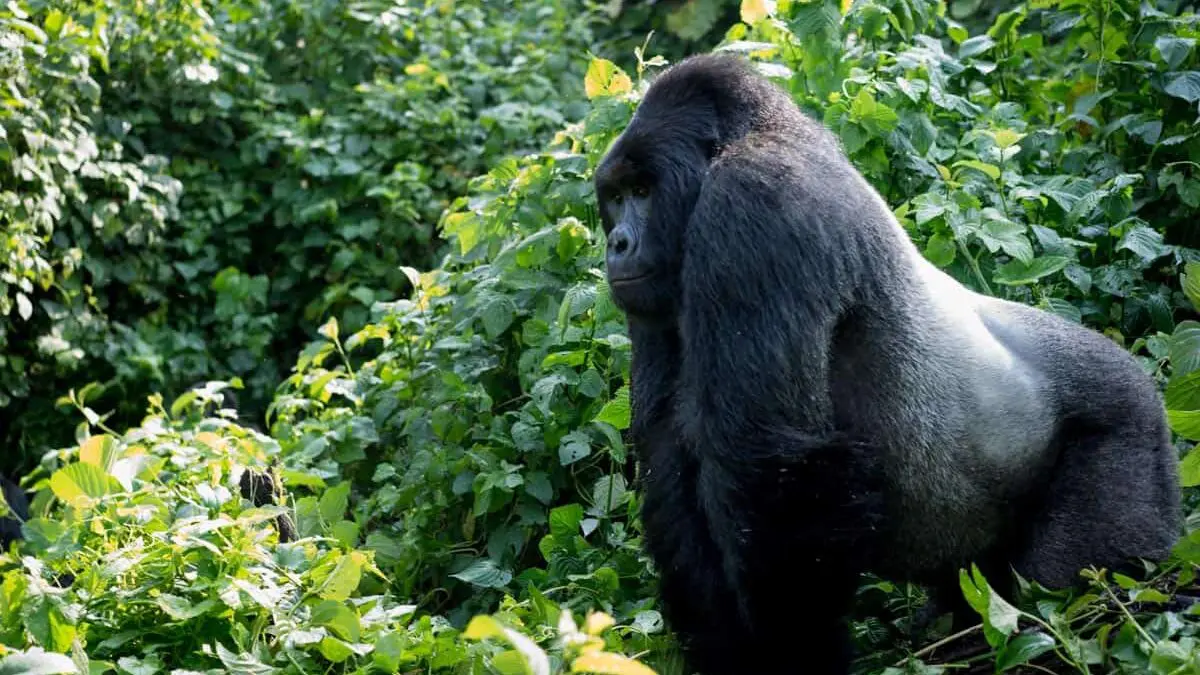
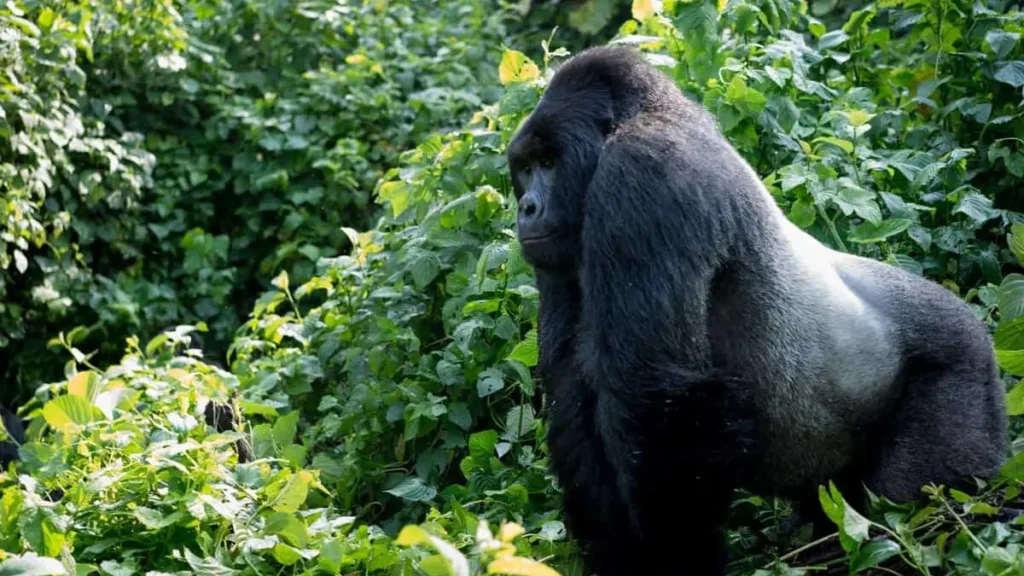
The encounter begins when you see the first gorilla through a curtain of leaves. The silverback watches calmly with deep, intelligent eyes. Juveniles play nearby. Mothers care for their infants with tenderness. Gorillas chew stems, shift positions, or groom each other with slow movements.
Trekkers spend one hour with the family. The hour feels powerful because the forest surrounds the group with silence. Gorillas behave naturally because they trust the rangers who visit them daily. Every sound—the cracking of bamboo, the low grunt of communication—feels immersive.
Virunga’s atmosphere intensifies the emotion. The forest stands deep and untouched. Mist sometimes settles on the canopy. The darkness of the vegetation creates dramatic light. Every moment feels sacred.
Photography and Observation
Photographers love Virunga for its wild beauty. The soft forest light creates striking tones around the gorillas. The thick vegetation frames each scene like a natural studio. Trekkers capture images of feeding, playing, grooming, and resting. No flash ensures a calm environment. Patience rewards trekkers with unforgettable shots.
Why Virunga Stands Apart From Other Gorilla Parks
Virunga feels more remote than Volcanoes or Bwindi. The terrain grows wilder. The gorillas live deeper in the forest. The trekking atmosphere feels private because the park receives fewer visitors.
Other elements add depth:
The landscape blends forest and volcano in dramatic ways.
The experience connects directly to conservation history and local communities.
Only a few people trek each day, creating exclusivity.
Virunga offers an emotional mix of awe, adventure, and respect for the natural world.
Best Time for Gorilla Trekking in Virunga
Gorilla trekking works throughout the year.
Dry months—June to August and December to February—offer easier trails.
Wet months—March to May and September to November—create lush scenery and deep forest colours but make hiking more demanding.
Weather changes quickly on the volcano slopes, so trekkers carry layers, hydration, and rain protection in every season.
Trekking Difficulty and Required Fitness
Virunga’s terrain demands solid fitness. The trails rise quickly. Mossy rocks feel slippery after rain. Tree roots create obstacles. The altitude affects breathing. A steady pace helps trekkers adjust.
Strong hiking boots, gloves, long trousers, a walking stick, and a light rain jacket create comfort. Hydration prevents fatigue, especially on steep ascents.
Safety and Conservation
Virunga enforces strict safety protocols led by trained rangers. Their knowledge of the forest and gorilla behaviour ensures safe and respectful encounters. Conservation teams monitor gorilla health, track family dynamics, and protect habitat integrity.
Visitors help conservation by following rules, wearing masks, avoiding direct contact, and staying in designated trekking groups.
Why the Emotional Impact Stays Forever
Virunga leaves a deep emotional mark because of its untouched nature. Trekkers feel the weight of the forest, the presence of the volcanoes, and the gentle behaviour of the gorillas. The experience blends excitement, humility, and gratitude. Many visitors describe the moment not as a trek, but as a connection.
Plan Your Safari
If you want a Virunga vs Volcanoes comparison, a 3–4 day Virunga itinerary, or a Congo gorilla cost guide, I can prepare it instantly.