How Difficult Is a Gorilla Trek?
Difficult in Gorilla Trek. Gorilla trekking demands physical effort, mental focus, and comfort with wild terrain. The forests that shelter gorillas rise through steep ridges, tangled undergrowth, and altitude zones that test stamina. The difficulty level varies from person to person because gorilla families move daily, and each trek follows a different route. Some treks feel short and manageable. Others stretch into long, demanding climbs. Understanding these factors helps travellers prepare for the experience with confidence and realistic expectations.
The Terrain Shapes Most of the Difficulty
Gorilla forests hold some of the most rugged landscapes in East and Central Africa.
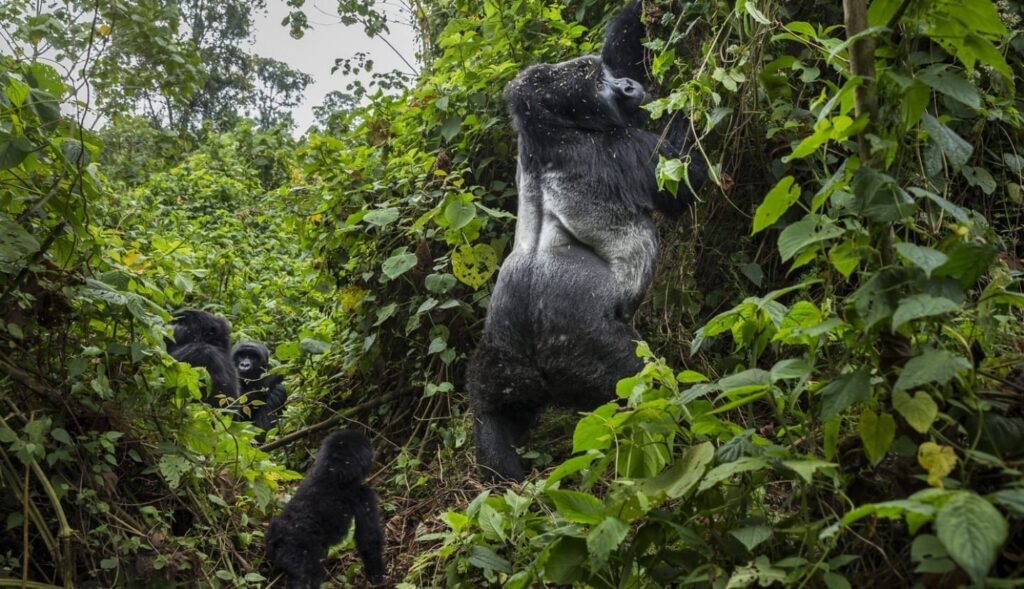
Bwindi Impenetrable Forest lives up to its name. Its ridges rise sharply. Trails cut through thick vegetation, and some sections require steady climbing. The ground becomes slippery after rain, and trekkers rely on branches or roots for support.
Volcanoes National Park sits on volcanic slopes. The trails move through bamboo, hagenia forest, and moss-covered stone. The incline feels constant. Each step demands balance and careful foot placement.
Mgahinga’s Virunga volcanoes rise even higher. Treks often cross old lava paths, steep ascents, and long stretches of bamboo.
Kahuzi-Biega offers flatter terrain but longer distances. The rainforest grows warm and humid, which increases the physical challenge.
Gorilla Movement Adds Unpredictability
Gorilla families change location every day. Trackers find them each morning, but the exact distance remains unknown until the trek begins. Some gorillas rest near the forest edge. Others climb high into valleys or feed deep inside the forest. Trekkers follow their path, which means the route changes constantly.
This unpredictability creates both excitement and challenge. A trek can last two hours or six. The terrain may shift suddenly from gentle paths to steep climbs.
Altitude Plays a Significant Role
Most gorilla forests sit between 2,000 and 3,000 metres above sea level.
Altitude slows breathing and increases fatigue. Even fit trekkers feel the difference during steep climbs. The cool air helps, but the reduced oxygen makes each step require more effort. Travellers who live at lower altitudes notice the impact more strongly.
Weather Can Increase the Difficulty
Rain transforms the forest within minutes.
Trails become muddy.
Roots turn slippery.
Visibility decreases.
Trekkers move carefully through wet vegetation. The rain does not stop the trek, so proper gear becomes essential. Dry-season treks feel easier, but even then, mist and light showers remain common in gorilla habitats.
Fitness Levels Influence the Experience
Gorilla trekking does not require athletic training, but moderate fitness helps. Trekkers should walk comfortably for several hours, climb slopes without strain, and maintain steady pacing. Strength in the legs, balance, and stamina shape the quality of the experience.
Rangers assign gorilla families based on a group’s fitness level when possible. Those wanting a short trek often receive a closer family. Those ready for adventure may choose a longer trek.
Support Makes the Trek Easier
Porters transform the trekking experience. They carry backpacks, offer a hand on steep sections, and provide balance on slippery trails. Their support reduces fatigue and increases safety. Walking sticks help with stability, especially in uneven terrain.
These tools make difficult treks manageable for travellers of all ages.
The One-Hour Gorilla Encounter Makes the Effort Worth It
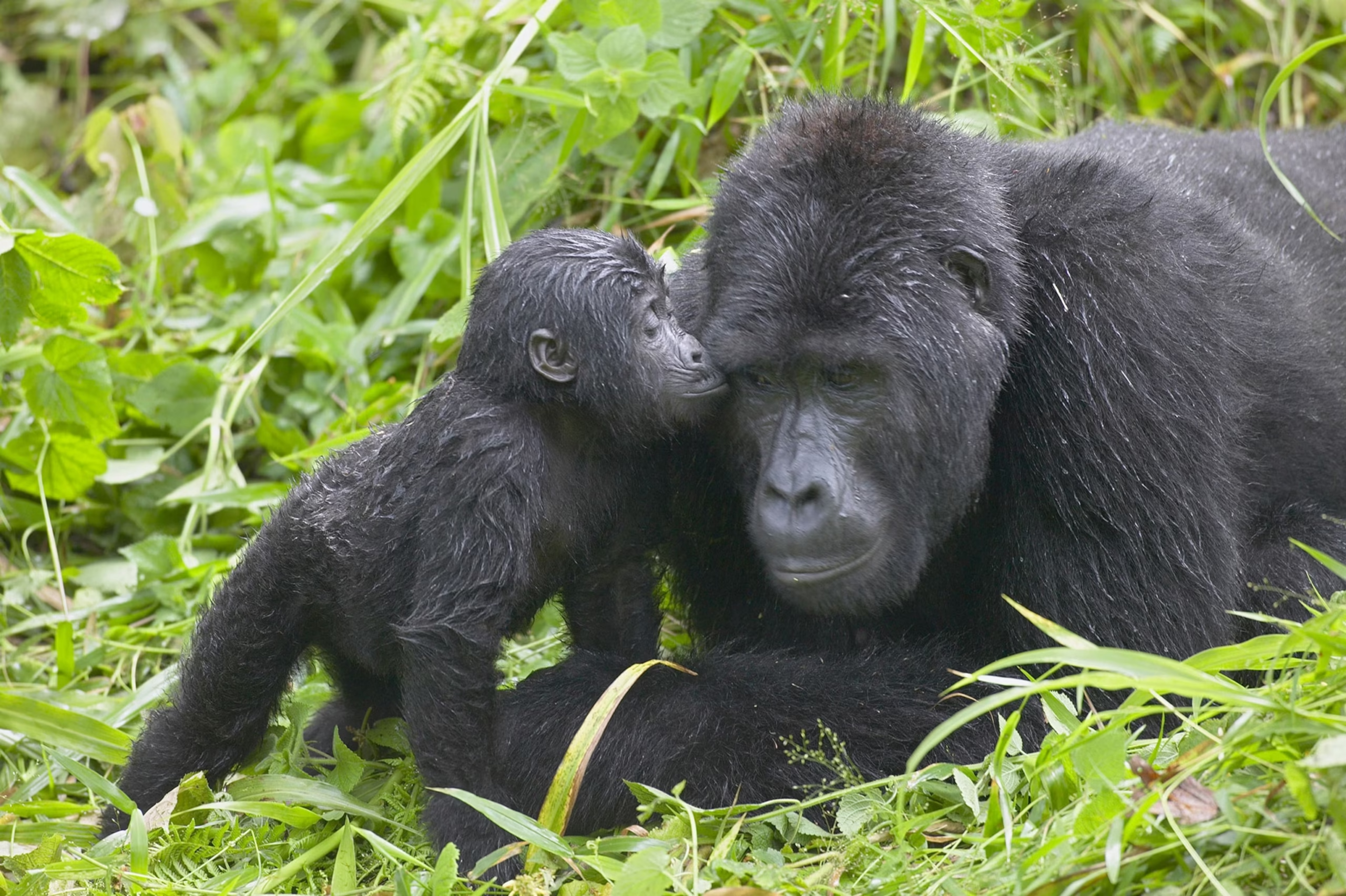
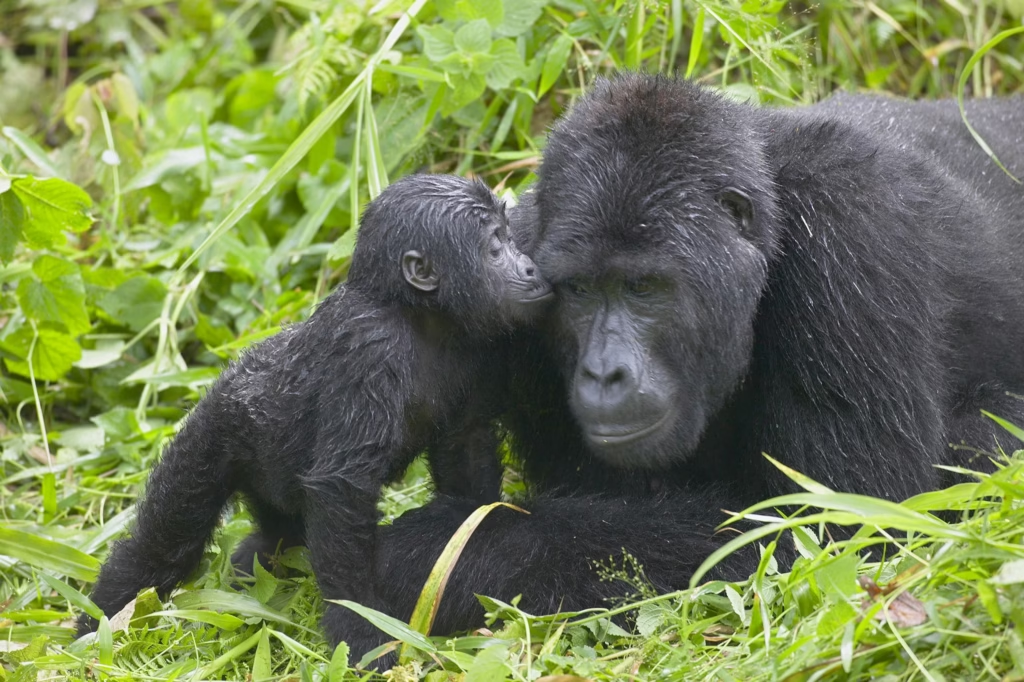
The moment you reach the gorillas erases the memory of the climb. Seeing a silverback rise through vines or an infant cling to its mother fills the forest with emotion. The hour with the gorillas becomes peaceful, intimate, and unforgettable. The trek’s difficulty adds depth to that moment because the effort builds anticipation and appreciation.
Who Finds the Trek Most Challenging?
- Travellers new to hiking
- Travellers affected by altitude
- Travellers with knee or back issues
- Travellers who trek during the rainy season
Even with these challenges, most people complete the trek successfully. Rangers move at a comfortable pace. The group takes breaks often. The experience focuses on safety and enjoyment, not speed.
Why the Difficulty Makes the Experience Special
The challenge becomes part of the story. The forest feels alive. The climb feels meaningful. The encounter carries emotional weight because it comes after effort, patience, and resilience. Gorilla trekking blends adventure with reward, and the difficulty enhances the experience rather than limits it.
Plan Your Safari
If you want, I can create a pre-trek fitness guide, a difficulty comparison between gorilla parks, or a rainy-season preparation guide.