Photography Tips for Gorilla Trekkers
Photographing mountain gorillas feels incredibly rewarding because the forest atmosphere, soft natural light, and emotional wildlife behaviour create powerful images. The challenge lies in capturing these moments while respecting gorilla rules and keeping the experience calm and natural. Gorilla trekking moves through dense vegetation, steep terrain, and shifting light, so every photographer needs preparation, patience, and an understanding of how gorillas behave. These photography tips help trekkers document the encounter without losing the emotional depth of the moment. 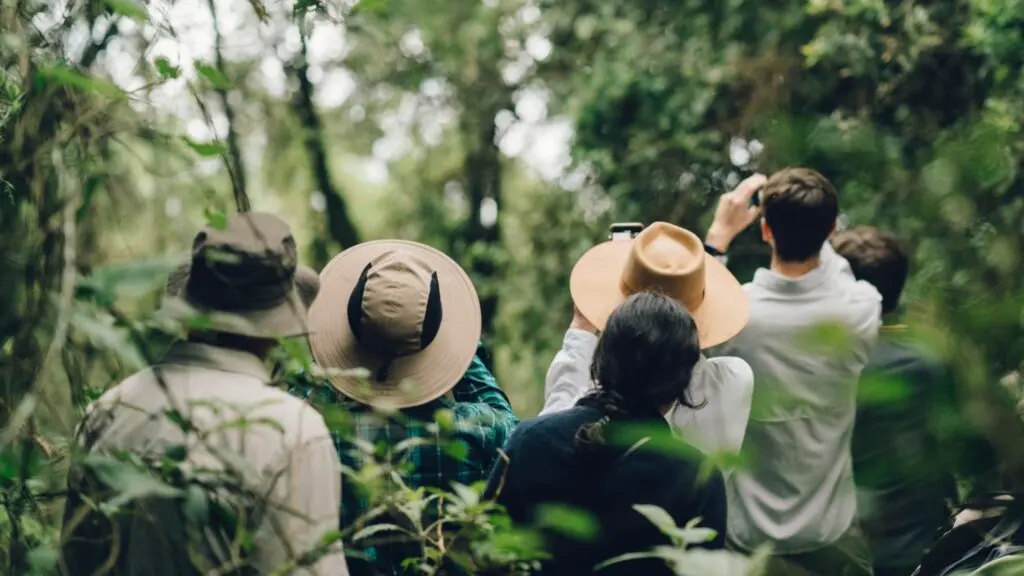
Understand the Forest Light
Gorilla habitats sit under thick canopy. Light enters through small gaps between leaves and branches. Some areas glow with soft green light. Others fall into deep shadow. Photographers adjust quickly to these contrasts. Bright forest patches help when capturing infants and juveniles. Shaded areas highlight texture, fur, and detail. Working with available light creates natural images that reflect the true feeling of the forest.
Keep Your Shutter Speed Fast
Gorillas move unpredictably. Juveniles climb vines. Mothers shift positions. Silverbacks adjust their posture. A fast shutter speed keeps these movements sharp. Photographers increase shutter speed before lifting the camera to avoid blur. This simple adjustment captures clean frames even in low light.
Control ISO for Forest Conditions
The forest often feels dark, especially on cloudy days or in deep undergrowth. Increasing ISO helps maintain brightness. A higher ISO captures more light and prevents motion blur. The forest’s natural grain often enhances mood, so photographers accept slight noise when shooting in darker areas. The key remains finding balance between clarity and atmosphere.
Choose the Right Focus Point
Gorillas show emotion through their eyes, so the focus remains on those eyes whenever possible. A sharp gaze creates powerful images. Photographers use single-point focus to control accuracy. The eyes stay the anchor of the frame even when vegetation surrounds the gorillas.
Move Slowly and Respectfully
Fast movements distract gorillas. Slow movements keep the family calm. Photographers lift cameras gently and avoid sudden gestures. This behaviour helps the gorillas relax and keeps the encounter natural. Calm movements also help in creating clean compositions because the subjects remain undisturbed.
Stay Aware of the Distance Rule
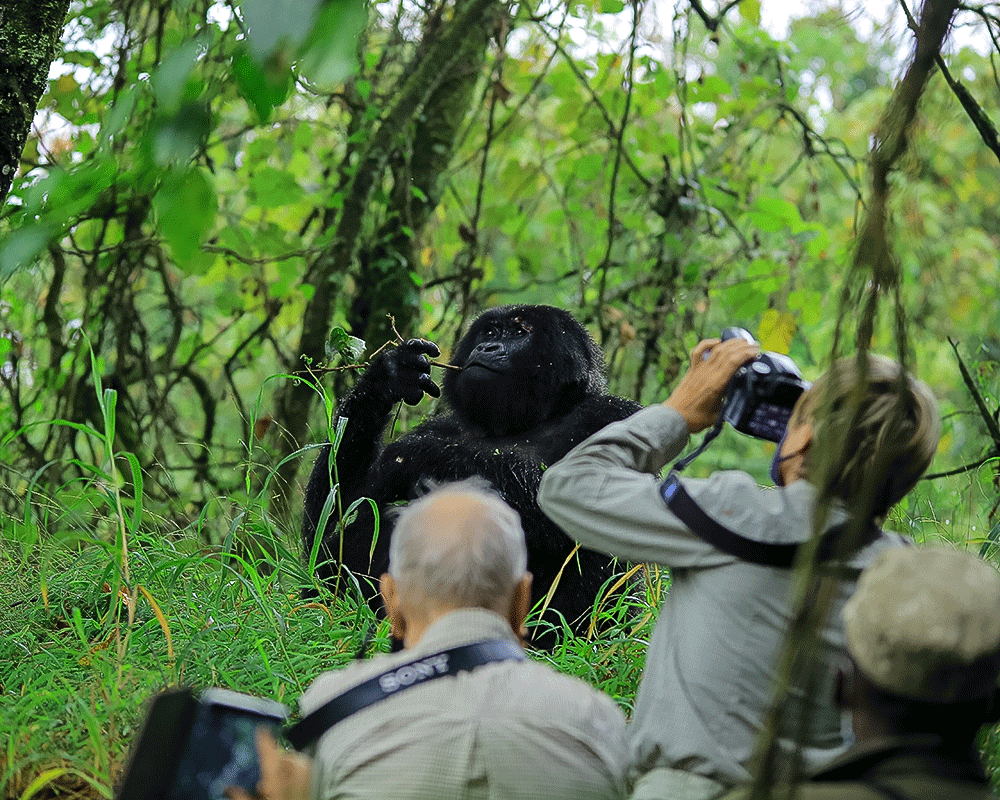
Gorilla rules require safe distance to protect both trekkers and gorillas. Photography must respect this space. Longer lenses help capture close details while staying far enough to follow conservation guidelines. The distance also creates a natural frame because vegetation shapes the composition from a respectful viewpoint.
Use Natural Frames in the Forest
Leaves, vines, and branches form beautiful natural frames around gorillas. These elements add depth and context to the image. Photographers lean slightly to find the right opening. The forest becomes part of the picture, and the image feels authentic because it reflects the gorillas’ real environment.
Capture Behaviour, Not Just Faces
Faces show emotion, but behaviour tells the full story. Gorillas groom gently. Infants cling to mothers. Juveniles swing from bamboo. Silverbacks watch quietly. These moments reveal personality and create dynamic photos. Photographers watch for patterns—feeding, play, interaction, resting—and capture sequences that show the family’s rhythm.
Prepare for Moisture and Mud
The forest holds moisture, especially in the morning. Cameras need protection from rain, mist, and mud. Simple covers protect lenses. Microfiber cloths help clean drops quickly. Keeping the gear ready ensures photographers never miss key moments because of forest conditions.
Keep Your Camera Ready at All Times
Gorillas move suddenly. The silverback may stand. Infants may play. A juvenile might charge playfully. Photographers keep their camera switched on, lens cap off, and settings ready. This habit captures spontaneous moments without delay.
Hold Emotion and Respect in Every Shot
The encounter feels emotional. The camera captures only one part of it. Photographers remember to lower the camera at times and enjoy the moment. Balanced awareness helps create better images because the photographer connects deeply with the gorillas’ presence. Respect for the family guides every shot and honours the conservation effort that protects them.
Why Gorilla Photography Feels Unique
The forest atmosphere, the quiet presence of the gorillas, and the limited one-hour window create intensity. Each frame carries emotion. Each composition holds a story. The experience blends adventure and artistic expression. Gorilla photography becomes less about technical skill and more about connection, patience, and sensitivity.
Plan Your Safari
If you want, I can create a gorilla photography gear list, a camera-settings cheat sheet, or a storytelling-focused photography guide for trekkers.