Can You See Gorillas Without Trekking?
Many travellers dream of seeing gorillas but worry about the physical demands of trekking through steep forests and dense vegetation. Gorilla trekking involves climbing, walking for hours, and navigating wild terrain. Some travellers ask whether it’s possible to see gorillas without trekking at all. The answer depends on the gorilla species, the destination, and the level of mobility required. Understanding the options helps travellers choose the experience that suits their comfort and ability.
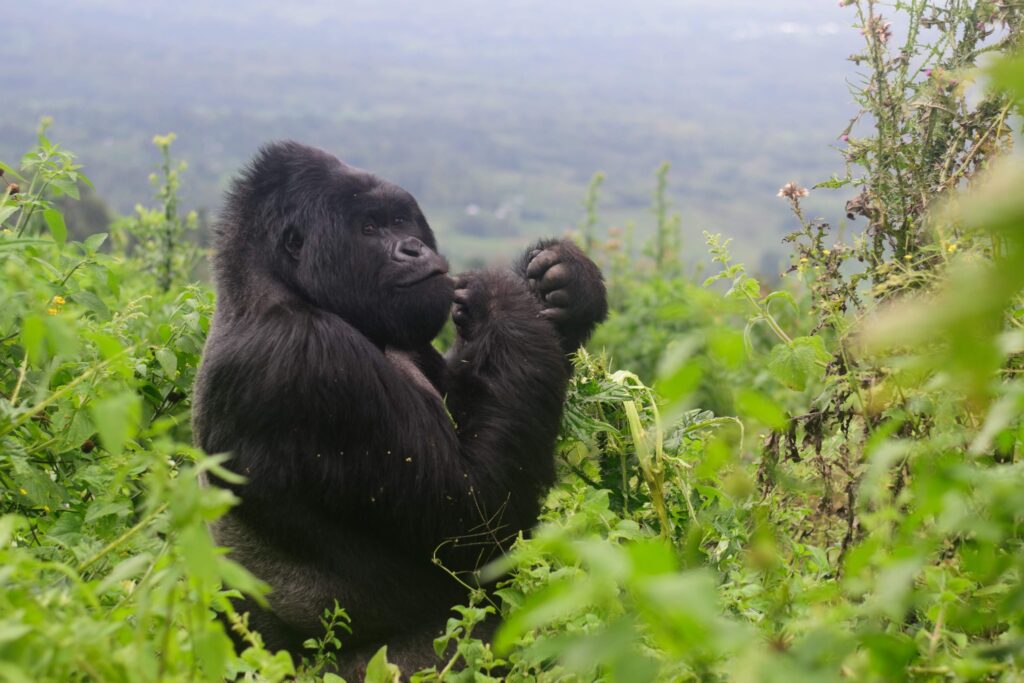
Mountain Gorillas Require Trekking
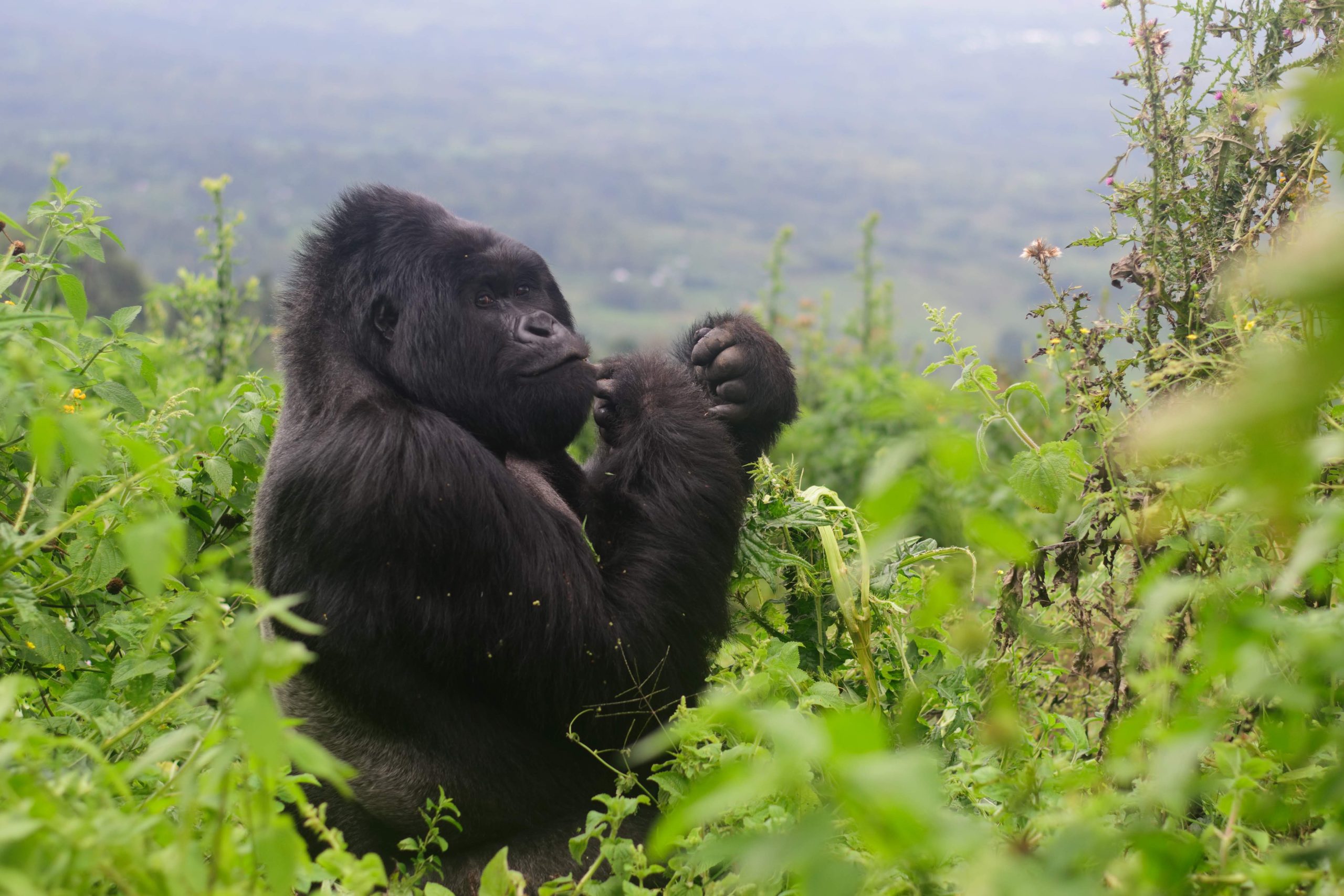
Mountain gorillas live in remote forests at high altitudes. Their habitats include Volcanoes National Park in Rwanda, Bwindi and Mgahinga in Uganda, and Virunga National Park in Congo. These landscapes rise sharply and hold dense vegetation that no vehicle can enter. The gorillas move freely across ridges, valleys, and bamboo zones. Reaching them requires trekking because the environment does not support roads or easy access.
Even in cases where gorillas rest near the forest edge, trekkers still walk through thick vegetation and follow rangers on foot. The forest itself shapes the experience, and trekking remains the only safe and respectful way to meet mountain gorillas.
Semi-Habituated Gorillas Still Require Walking
Uganda’s Gorilla Habituation Experience offers more time with gorillas, but it still takes place in the wild. The gorillas move across steep terrain, and trekkers follow them for longer distances. This option works for travellers who want a slow-paced adventure, but it does not eliminate trekking.
Western Lowland Gorillas Are More Accessible—but Not Without Walking
Western lowland gorillas live in the rainforests of Gabon, Congo-Brazzaville, Cameroon, and Central African Republic. Some destinations offer more flexible access, but trekkers still walk.
In places like Gabon’s Loango National Park or Dzanga-Sangha in Central African Republic, visitors walk through forest clearings or boardwalks to reach gorilla groups. The walking distances feel shorter and easier than mountain gorilla trekking, but they still require mobility and time on foot. Vehicles bring visitors close, yet they do not replace walking entirely.
Eastern Lowland Gorillas Also Require Trekking
Kahuzi-Biega National Park in Congo protects eastern lowland gorillas. These gorillas live in dense lowland rainforest. The terrain stays flatter than volcanic zones, but it spreads wide. Reaching the gorillas requires trekking because they move deep inside the forest. The trails feel humid, muddy, and long, even though the slopes remain gentle.
Are There “Gorilla Sanctuaries” With Easy Viewing?
Some sanctuaries and rehabilitation centres protect rescued gorillas, but they do not offer wild gorilla viewing. These facilities focus on rehabilitation, research, or care for orphaned gorillas. They cannot replicate a true gorilla trekking experience. Visitors may see gorillas at such centres, but it differs completely from meeting a wild gorilla family living freely in its natural habitat.
For ethical reasons, no sanctuary places wild gorillas in enclosures for tourism. Wild gorilla viewing always follows trekking.
Options for Travellers With Limited Mobility
Travellers who cannot walk long distances still have alternatives:
Requesting a shorter trek: Rangers often assign trekkers to gorilla families located closer to the forest edge.
Using porters: Porters help carry backpacks and provide support on slippery or steep sections.
Sedan chair services in some locations: Some destinations offer sedan chairs carried by trained porters, allowing travellers with mobility issues to reach gorilla families safely. Availability depends on park rules and must be arranged in advance.
These options allow travellers to experience gorilla encounters without handling the full physical challenge.
Why Trekking Remains Essential
Gorilla trekking protects the forest, respect the gorillas’ natural movement, and allows conservation teams to monitor families without disturbing their habitat. Roads, vehicles, or artificial viewing spots would damage fragile ecosystems. Trekking keeps the experience natural, sustainable, and safe for both humans and gorillas.
Meeting a gorilla family in its wild home feels more emotional because the journey becomes part of the connection. The forest atmosphere, the sounds, the anticipation, and the effort create a deeper appreciation for the encounter.
Plan Your Safari
If you want, I can prepare a shorter lightweight version, a mobility-focused guide, or a comparison of trekking difficulty across all gorilla destinations.